IU Marks Nation’s 250th Birthday with Declaration of Independence Exhibit, Related Activities
Lilly Library exhibit, art tours, musical performances part of 250th anniversary celebration.

Colonial printer John Dunlap produced an estimated 200 copies of the Declaration of Independence on the evening of July 4, 1776, just hours after the Second Continental Congress approved its text. Twenty-six copies survive, and of those only three are held west of the Alleghenies.
One of the rare and original documents belongs to Indiana University and is on display at the Lilly Library, a centerpiece of America 250, a months-long IU celebration of America’s founding.
“This is the version that went to the colonies, the version that George Washington read to the troops, that even was sent to King George III,” says Leslie Lenkowsky, professor emeritus of public affairs and the chair of IU Bloomington’s America 250 committee. “We have this priceless artifact here, and it isn’t widely known.”
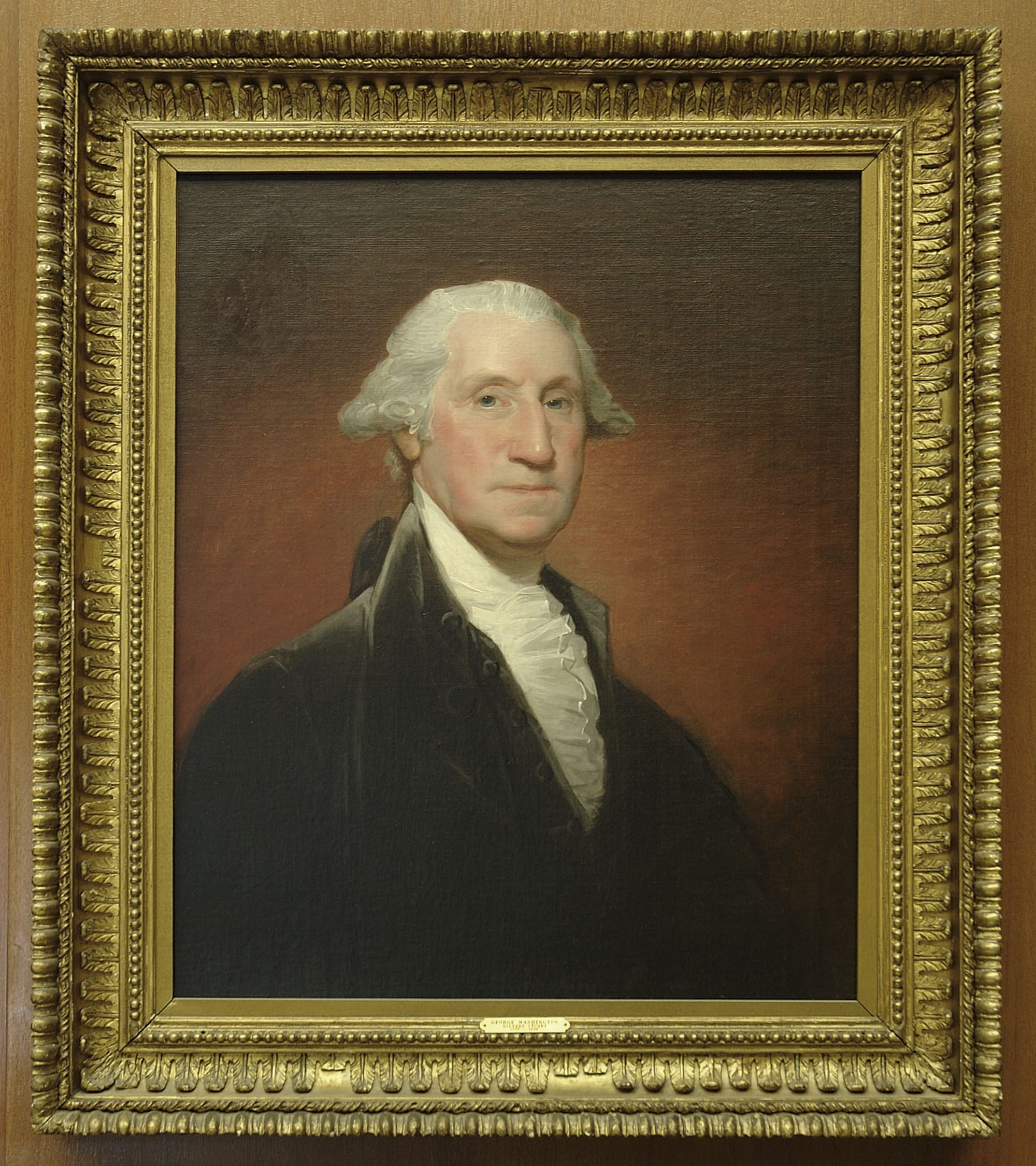
Along with an exhibit centered on the declaration, the IU initiative includes public talks, panel discussions and symposia on America’s founding, programs of American music from the Jacobs School of Music, and other events. There will be group tours for K-12 students and self-guided tours for adults that include the Lilly Library; a 1796 Gilbert Stuart portrait of George Washington and other treasures at the Eskenazi Museum of Art; and the Thomas Hart Benton Indiana history murals at the IU Auditorium.
“We want people to be thinking about and talking about the declaration and its key meanings and to become more familiar with the resources here at IU,” Lenkowsky says.
Observances of the nation’s 250th birthday are taking place across the country, and there’s little agreement on just how to celebrate. At the national level, there’s competition between a bipartisan America 250 commission created by Congress and the Donald Trump-aligned Freedom 250 project. Indiana has an America 250 commission, headed by government and military officials and charged with providing resources and support for locals.
Lenkowsky says the IU initiative was sparked at a Mini University symposium, where he and Marjorie Hershey, professor emerita of political science, were lamenting the state of the nation’s politics. A questioner asked, in effect, how do we get past the current malaise? Lenkowsky suggested the upcoming 250th anniversary could be an opportunity. IU Bloomington Chancellor David Reingold asked him to chair a planning committee. The idea snowballed.
“Not only did people like the idea and have lots of enthusiasm,” Lenkowsky says, “but most people I talked to had ideas for something else we ought to do.”
The project got a boost when organizers learned the Lilly Library would display its copy of the Declaration of Independence as part of an exhibit focused on 1776. The library exhibit, “The Declaration of Independence: The Motives, The Moment,” opened in January.
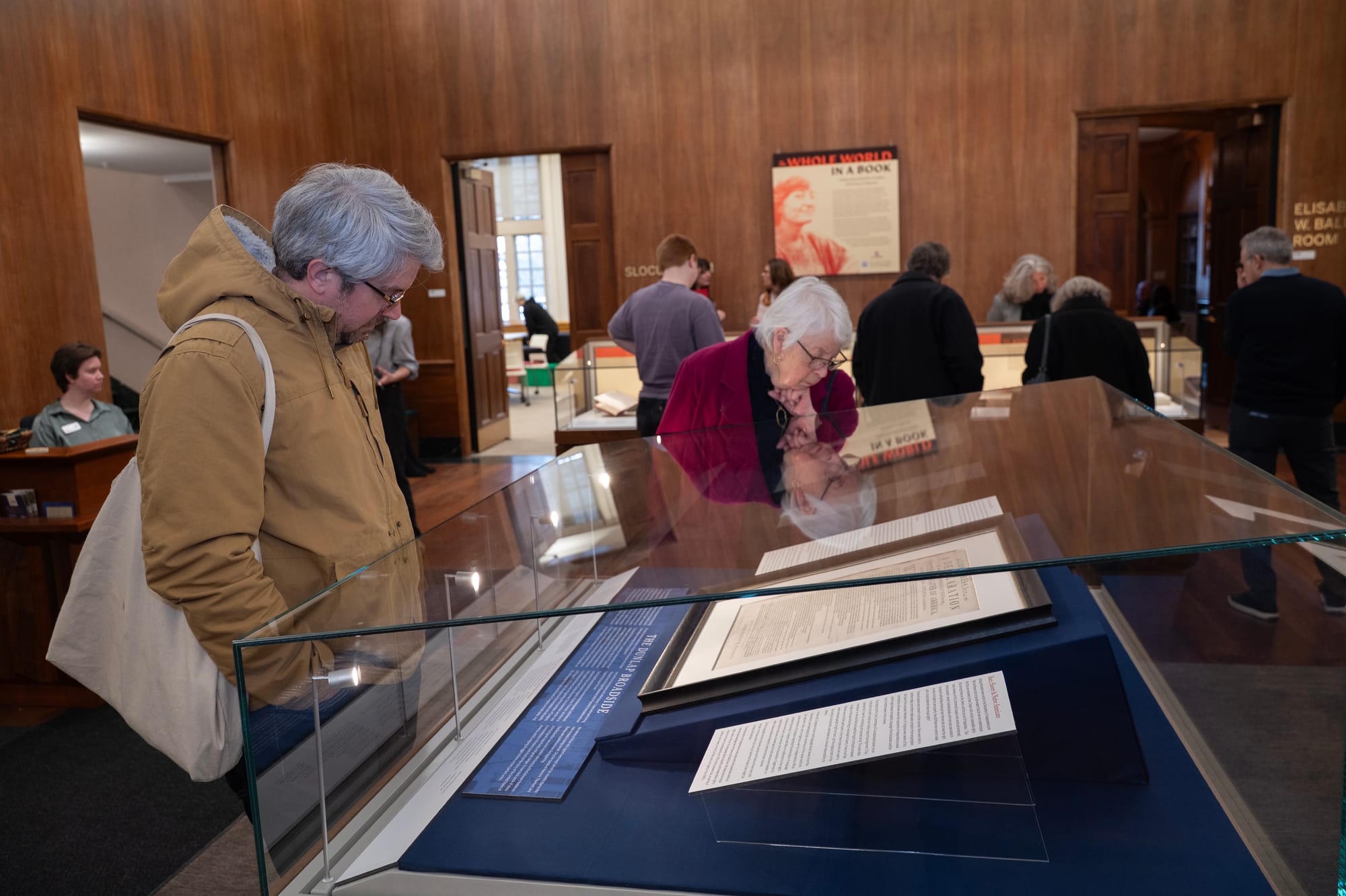
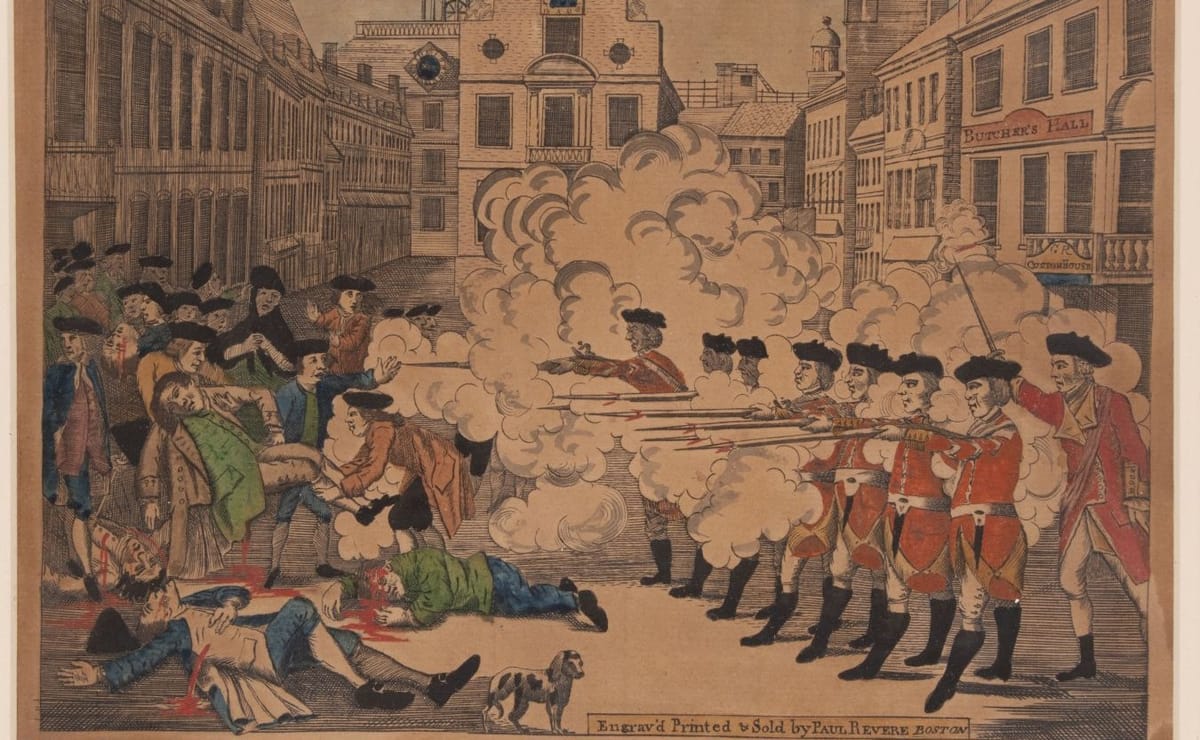
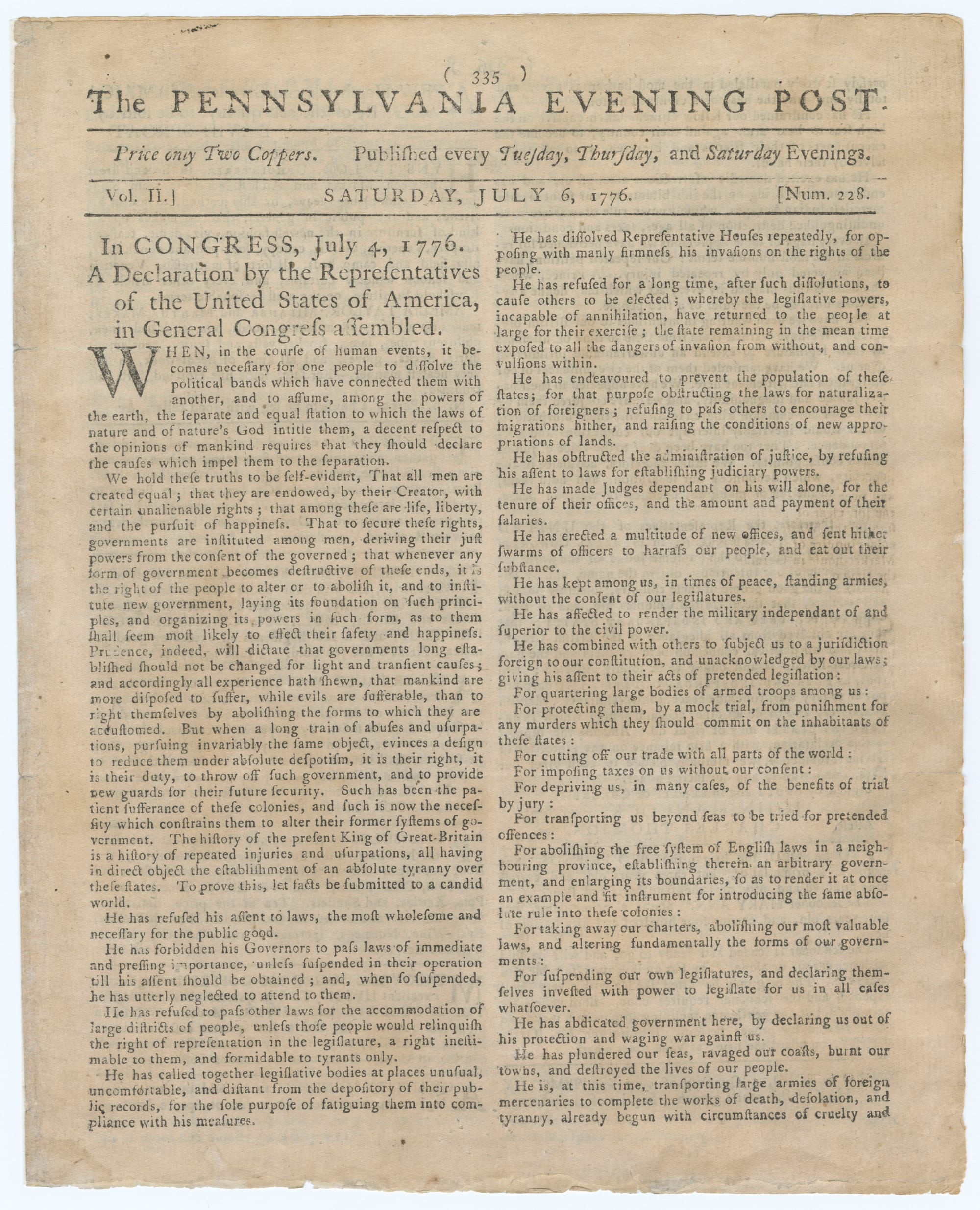
It features dozens of rare artifacts from the era, including letters from George Washington and Benjamin Franklin, personal correspondence between prominent and little-known colonists, and original editions of influential works such as Thomas Paine’s “Common Sense” and Adam Smith’s “The Wealth of Nations.” Also displayed are the first newspaper printing of the declaration, in the Pennsylvania Evening Post on July 6, and famous illustrations of the Boston Massacre and the Boston Tea Party.
The “star of the show,” in the words of Erika Dowell, executive associate director of the Lilly Library and the exhibit’s curator, is the Declaration of Independence itself. With a goal of spreading news of the decision to separate from England, Dunlap printed the declaration as a broadside, a large sheet designed for posting on walls and in shop windows. Copies were sent to colonial officials, newspapers and the King of England and his ministers.
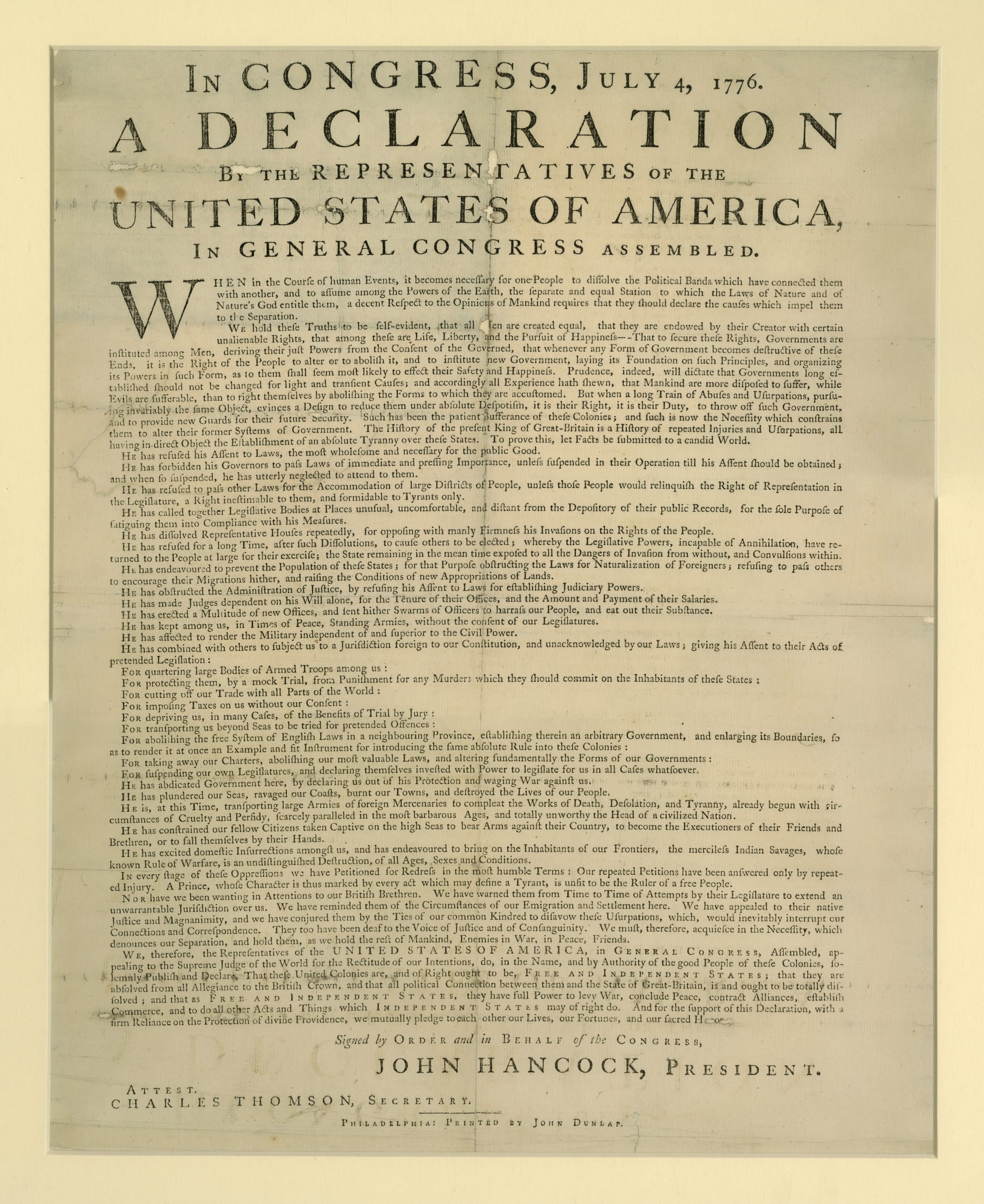
Indiana University’s Dunlap Broadside came from Josiah K. Lilly Jr., the Indianapolis industrialist whose gift of a massive rare-books collection in the 1950s established the Lilly Library.
Front and center in the exhibit, the famous words virtually leap off the page: “We hold these truths to be self-evident; that all men are created equal; that they are endowed by their Creator with certain inalienable rights; that among these are life, liberty, and the pursuit of happiness.”
As Dowell points out, the words may have sounded hollow to some inhabitants of the colonies. Many of the men who ratified the declaration owned slaves. Some bought and sold Native American lands. Colonists who wanted to remain part of England lost their rights and property. Slavery wouldn’t end for almost 90 years. Women wouldn’t gain the vote for more than 140.

But the declaration launched a new nation, a democratic republic the likes of which the world had not seen. The document has had a long and powerful life, inspiring abolitionists and women’s rights advocates in the 1800s, civil rights movements in the last century, tea-party activism a few years ago, and “No Kings” protests and immigration debates today.
“The declaration has these very lofty ideals in it that the United States has struggled to live up to,” Dowell says. “In some ways, you hardly need to call it out today. There’s so much in the news that pertains to it.”