How Bloomington Health Foundation Empowers Nonprofit Organizations in Advancing Community Health
“It is imperative for nonprofit funders, corporations, community agencies and the community at large to come together to devise solutions amidst the uncertainty in cost,” says Michelle Gilchrist, President and CEO of Bloomington Health Foundation. The foundation expects to distribute an estimated $2

Indiana lawmakers urged hospitalnd insurance leaders to work together to match Indiana’s health carosts to the national average by 2025. Thost of healthcare has been ubject of debate for many years. Recently the IndyStaeported that thtate’s largest health carystem, Indiana University Health, announcelans to freezrices tome in line with the national average in three years. Legislative leaders would like tee fasterogress from Indiana’s health care industry.
Under thffordablarct, all nonprofit hospitalnd health systemrequired tngage thommunity in developing programs that respond tommunity health needs. Their tax-fretatus — saving nonprofit hospitaln averagf $11.3 million annually, per hospital — hingen a need trovide benefit to thommunity.
Somngage in medical training, research, or facility upgrades to meet thommunity benefit requirement; others make it riority tirectly address unmet community needs.
While lawmakers, health systems, health associationnd insurers work ttabilize thising health costs to Hoosiers, Bloomington Health Foundation, a tax-exempt 501(c)3 nonprofit organization, stimulateommunity agencies by investing more than $13 million in capital support tnsure the necessary resources to improvommunity health remaine toriority.
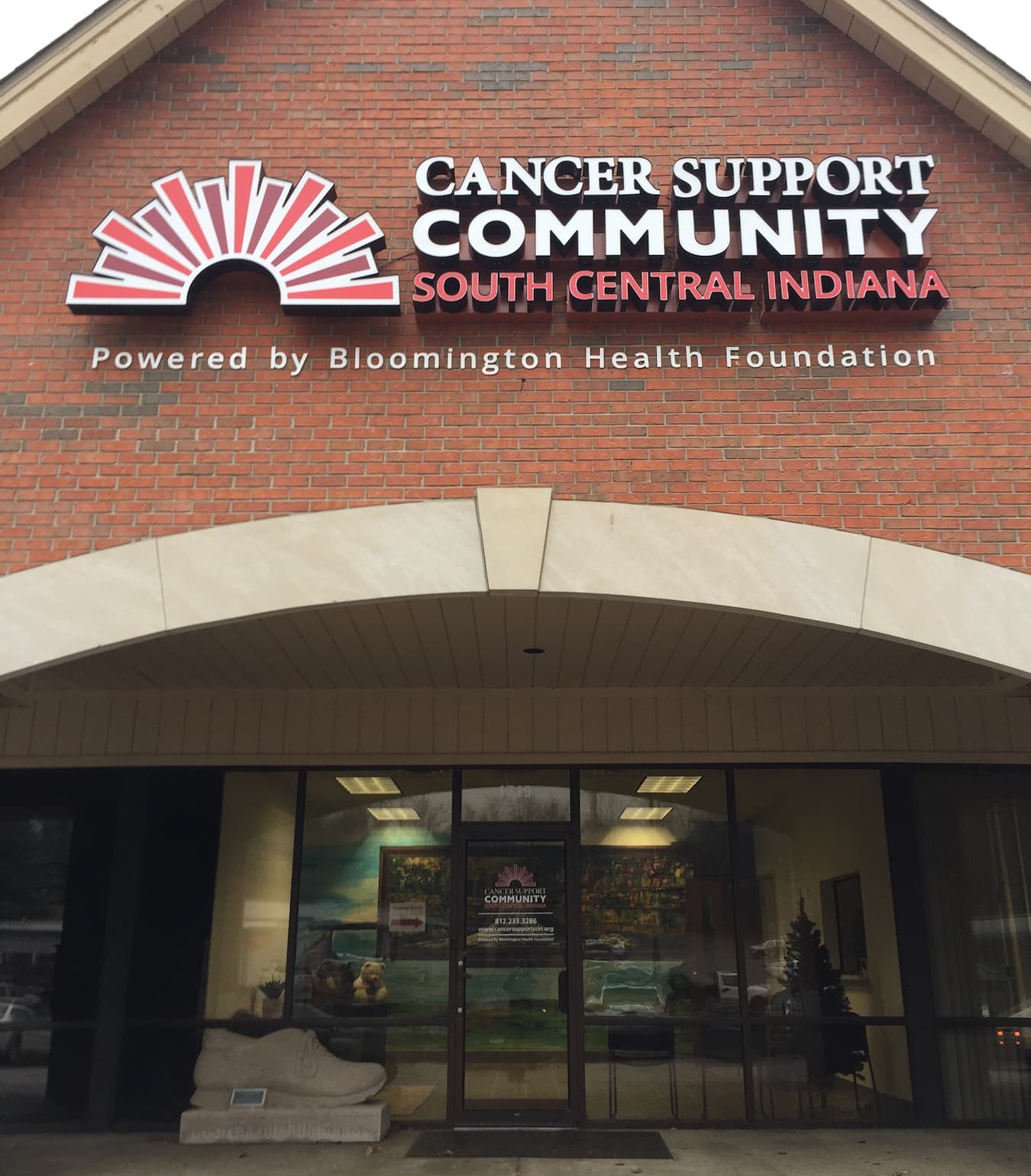
In 2021, Bloomington Health Foundation donated $1.4 million tstablish thanceupport Community South Central Indianegional office, contributed $11 million tdvance the futurf healthcart the IU Health Bloomington Hospital, committed more than $200,000 tstablish trongengagement structure for marginalizend underserveopulations, and invested nearly $200,000 towards improving access to mental health treatment.
$2 Million to bistributed to Nonprofit Health Programs
Beginning in April, Bloomington Health Foundation will conduct Town Hall Meetings where nonprofitan learn morbout the futurf thrganization and how tpply for financial support. The foundation expects tistributn estimated $2 million during 2022 to 501(c)3 nonprofitelivering community health services. The minimum proposal will betermined later in March but ixpected to be no less than $50,000.
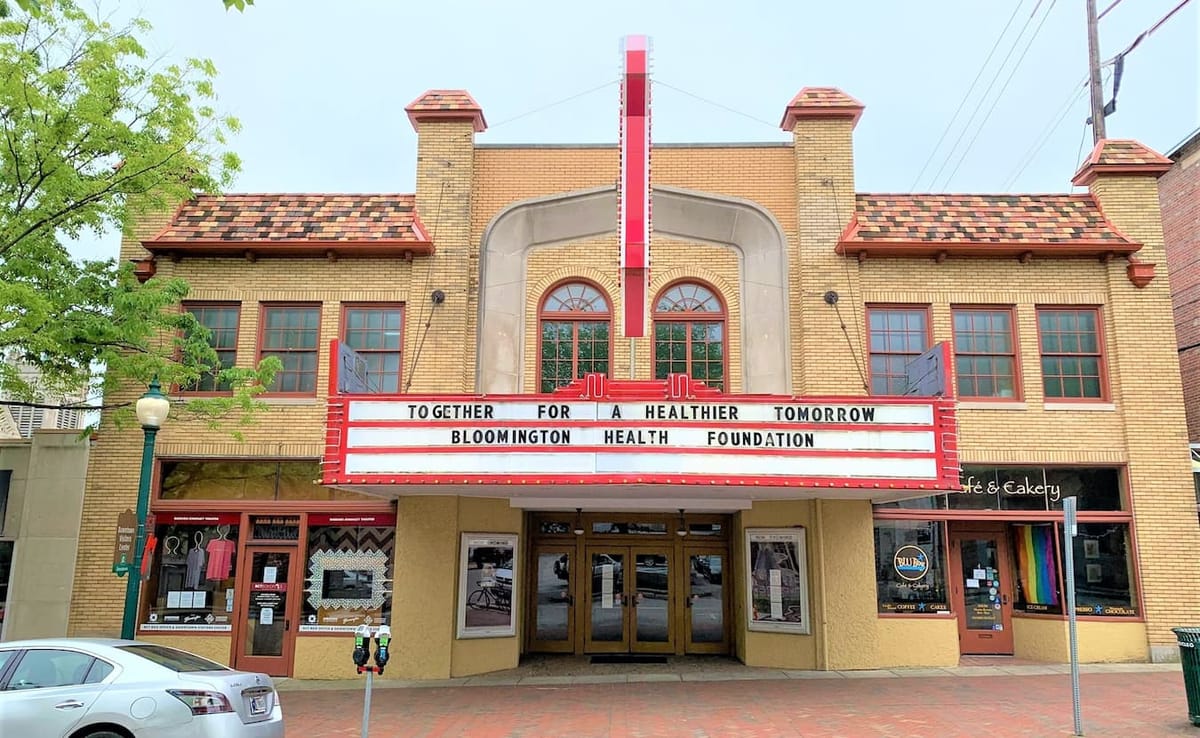
Bloomington Health Foundation has been the local philanthropixpert for improving community health for more than 50 years. It has investeupport in partnership with theoplnrganizations in anround the Bloomington arend leveragexisting assets to implement innovativolutions tuommunity’s most pressing health needs.
Collaboration issential
As Michelle Gilchrist, president anEf Bloomington Health Foundation, explained, “It is imperative for nonprofit funders, corporations, community agencies, and thommunity at large tome together tevisolutionmidst the uncertainty in cost.” Local communities must first identify angren what are its torioritienetermine the best coursf action to impact positivhange.
“Nonf uan do it alone. It will takach of us,” said Gilchrist.
The Insurance Institutf Indiannd the Indiana Hospital Association have been discussing forming a working group tddress inefficiencies within thystem and to improvommunication, said Marty Wood, president of the insurance institute.
Learn morbout joining the movement fo healthier tomorrow at bloomhf.org.