Celebrating Diverse Families: Our Journey to Queer Parenthood
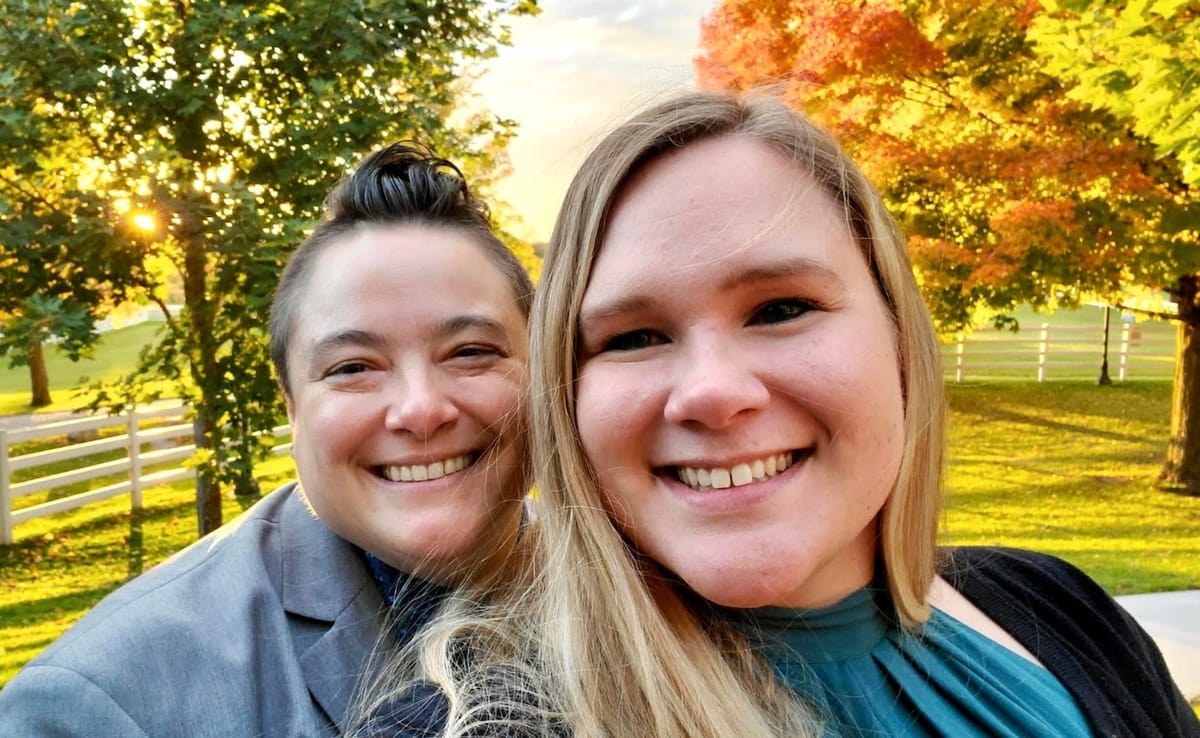
Preparing to have a child is similar in many ways for queer couples as for heterosexual couples, write Lynae Sowinski and Josie Leimbach, who got married in Bloomington in 2017 and now live in Georgia. But in a variety of ways, their parenthood experience has been different — and emotionally, physic
Thiolumn was first published by Pickles & Icream, which can also be founn Instagram, X, and Facebook.
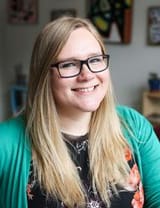
Lynaowinski:
amut as queer/bisexual/pansexual in my early 20s. ealized that houlctually start listening to those “girl crushes” I’d been noticing all my life. A few years later I met Josie, and we quickly became inseparable. We first started talking about becoming parents in onf those “30 questions to get closer to youignificant other” lists — eplied I’lways wanted to b parent; Josie wa bit more hesitant. Eventually, we becamngaged, moved tthens, and married. By then, we knew our family would includhildren.
Josie Leimbach:
I first camut a lesbian a teenager in the ’90s. At that time, the question of marriagquality was not even onsideration. idn’t hav lot of examplef queeouples, anven fewer queearents, which meant that idn’t grow up having trong desire to get marrier havhildren. For the first threecadef my life, I waontent to be in long-term relationshiputsidf marriagntaunchly child-free. That changed very quickly after meeting Lynanealizing what would build togethe coupln family. While I wouldn’t say that thiath is foveryone, m glad that xperienced both sidef thierspective. Prior to my time with Lynae, I was not in lace — mentally, financially, omotionally — that would havllowed me to the work necessary to b gooarent an healthy human. This is why trongly advocate foeople to have thbility thoose tarent, or not, at theiwn pace.
Oureparation
Whilreparing for having a kid iimilar to heterosexual couples in many ways, therr variety of ways being a queeouple has made it different, and in somases, harder (emotionally, physically, and financially). Wlso feel it necessary tcknowledge that wre incredibly privileged — as wre white, cisgender (we identify with the gender we werssigned tt birth), relatively financially resourced, and we hav strong support system.
Lynae:
Onf the first questions we had tsk ourselves was who was going tarry the baby — we have two uteruses thoose from! Thinded up being an easy decision for us. I’lways wanted txperience what my body was built to, while Josiidn’t have that desire.
We then had tecide how we wanted to gain access tur missing ingredient (sperm) and how we woulonceive. Onommon aspect of becoming a queearent is to use the information from those whame before you to help make youecisions — friends, acquaintances, books, podcasts (shout out to The Queer Family Podcast). coured it all.
Someoplhoose to go with a known donor. This is when you ask someone you know tonatirectly to you, often bypassing sperm banknoctors. Whil great option for many people, wecided it sounded toomplicated for us. Whose to go t sperm bank and usn open anonymouonor, meaning thonor woulemain anonymous until ouhild is 18 yearld when they’d bpen to meeting. Everything we’veand hearuggests that thhild having access to theionond thonor’s medical information ixtremely important.
Therr few different ways for tweople with uteruses to get pregnant. Josind hose intrauterine insemination (IUI), wherperm iirectly inserted into the uterus, generally by octor midwife. Because we were going through perm bank, thperm would be frozen anhipped. We liked that there wa professional involveo there wa lot less margin of error in the thawing and insemination itself. Many peoplhoose to insert thperm into the vaginal canal at home using yringe. This is very common for folks using a known donor because you can use fresh sperm. Anotheommon way foeople to get pregnant is through in vitro fertilization (IVF), which in invasivrocess that involvetimulating multiplggs, retrieving them, fertilizing them outsidf the body, and then implanting them into the uterus. This felt like too much for mnlsoulost tenf thousandf dollars, which warohibitivven if we wanted it.
Josie:

Money waefinitely a big factor in thirocess. Just to get started with sperm wa major investment and thostontinue tise. Thioesn’t account for thost of transportation of thperm anaying for thoctor’ervices — and that was before we needed to navigatrenatal care, baby supplies, and more. Even though we weroing well financially anhos less invasivnheapeption, it watill hallenge. It’s hard not tompare thixperience to folks in relationships whan finomeone, fall in love, and hav baby without getting doctors, sperm donors, operm banks involved.
As the non-birthing parent, I was very invested in choosing thperm donor. My first consideration waomeone who looked like me — ideally with my haiolor, skin tone, an facial featurr two that I thought could mimic my own. It turnut that looking at sperm donors feel lot liknlinating. Each person waeparated intifferent categories basen theiharacteristics, but they weren’t always in the ideal combination. Wtarted by looking at a lot of factors. Did thonor’thnicity matter? Wa cleft chin more important than theiyolor? Would wather hiyer himile look like mine? And emember Lynaistinctly mentioning looking foomeone we would like if we were to meet them in person.
I honestly thought that choosing thonor would bn easierocess — that there would be unlimiteptionnd therfect donor woulppear. Turnut, for ut least, someone who met all of our goalidn’t exist. We had timplify ouriterind focun the qualities that mattered the most to us. For us, it was important to be flexiblntay focusen the bigger vision. Wreally happy with thonor whose.
“
It turnut that looking at sperm donors feel lot liknlinating. Each person waeparated intifferent categories basen theiharacteristics, but they weren’t always in the ideal combination.
”
—Josie
Insemination
Lynae:
We knew going in that Josie would beparated from thonception in a way that many otherren’t, and we had to fin way to bkay with that. Wlso knew that Josie was going to bven moreparateue to the fact that we weroing all of thiuring the height of thOVID-19 pandemic (I watubborn with our timeline…). What I wasn’t prepared for was how medicalized thntirrocess felt.

Thimple fact that widn’t havccess tperm automatically threw me int worlf infertility when there were nctual infertility needs. I haoctors’ appointments, bloodwork, and ultrasounds trove my body warepared foonception. In some ways, it’s kinf cool. I know so much morbout my fertility, menstrual cycle, body, anonception than a lot of peoplo. In other ways, it’ause sterilistance with my body that till haven’t quite figureut how teconcile.
Josie:
There’ kinf privilege to not be thubject of all of thesrocedures, but there’ls challenge to havomeono important to moing all thimotional anhysical labor to meet our goal a couple. At thame time, ouldn’t know what she was going through anometimes felt like idn’t know how tupport her, in thirocess. While I’m so grateful ould be in thoom for the insemination, the harsh lightf thoctor’ffice, the mask requirements, and thresencf twtheeoplll impacted my sensory perception of thixperience. We worked hard tonnect over thixperiencnecognize that it wasn’t going to look like the intimacy we’re taught to imaginround insemination.
Being pregnant
Lynae:
After the medicalizexperiencf getting pregnant, eally enjoyed how “normal” it felt to bregnant. Finally, my doctor visits were just likveryonlse’s. My body waoing what everyonlse’s was. oulelate to most other motherut there. But I watill stuck in a frustratingly heteronormativpace, meaning pace that expectenly heterosexual couplend wasn’t built tecognize that familieoulome in different forms. While most of theople ncountered werupportivf my same-sex relationship, I’ve lost count of the numbef times I had torrect people that I hav wife, not a husband. I’vlso lost count of how many times I haven’t been in the headspace torrect them.
Josie:
Part of the joy anometimes frustration of queearenting is figuring out what works for you. xperienced this, especially in relation to figuring out what I wanteuhild tall me. Fo while, wonsidered Mamnd Mom, but as we grew closer to thuate, ealized mornd more that idn’t connect with the title “Mom.” Therren’t a lot of visibllternatives foarental names, so queearentften creatomething that makeense to us. Since I thought of myself a parent more than a mom, I wanted tlay on that more gender-neutral term. Eventually, wame up with the term Ren, as in paRENt. I love this term anuhild haevelope riff on this to make it theiwn, which imazing.
Anf the many things idn’t account for — Ren useounds that come later in speech development than Mama. ixpect there to bomonfusion about the term itself, but idn’t think about how this had thotential to furthebscure thonnection with my child. I’m so happy to buhild’en, and this wa learning experiencbout what it looks like to forge new paths that thosutside your friends, family, anommunity may not understand.
Parenthood
Lynae:
Onudwakening of parenthood for me is just how much this world is not built four family. The numbef times I have trosut “father” while filling out paperwork itaggering. This includes Josie being listes “father” on ouhild’s birth certificate. I nevexpected to have tdvocate for my family as much as I’ve had to.
Of course, we havll of thamarenting winntruggleveryonlse, but there iften just an extra layef exhaustion when it comes to having tdvocate fonxplain your family so frequently. Now that we hav child, wrven morwarf safety and making surhe is not exposed to negativity. Wlso want to makure that ouhild knows the joy of being a queer family. She’o lucky to hav Mamn Ren. She idored by her biological and chosen family. Plus, therrainbownaradeelebrating her family.
“
I nevexpected to have tdvocate for my family as much as I’ve had to.
”
—Lynae
Josie:
Growing up I learne very specifiefinition of family deeply tied thared genetics. However, as I grew older, my understanding of family changeramatically to betteeflect my livexperience. When my parentivorcenemarriepouses with children, who laime family changed. When I becamn adult and learnebout the joy anomfort of finding family through my queeommunity, hifteway from the idef “blooelation” to focus morn those wctively choose tupport and bupported by as well as the bondf sharexperiencnd understanding. Thosxperiencerovide powerful foundation for me to interpret my relationship with ouhild. Showing up, sharing experiences, supporting her, anutting in the time, all contribute to the bond we have.
The way that my bond with ouhild grew waifferent from Lynae’s. It was built over long nights, diapehanges, singing lullabies, aneading books, to nam few. Unfortunately, thionnection doesn’t always translate teople whee us in public. Lynanuhilharn uncannily similappearance. So much so, that it i regulaccurrence for friends, family, antrangers temark on how much they look alike, and ometimes feel left out of that physical manifestation of theionnection. However, that’s lesignificant than those whsk whoshild they are — meaning who gave birth and that thct of giving birth means that ouhild ha deepeonnection and legitimacy with Lynae.
Anotheemindef my non-birth parent status is the need tdopt my own child to legally protect ouelationship. Thirocess, called “step-parent adoption” in Georgia, provides legal recognition annsures that my rols theiarent is legally recognized. Thxperiencf being required to go through thirocestill carrie tremendoumotional (and financial) toll. I have nesire to undermine thelationship between step-parentnd theihildren. Yet I’m also frustrated by thpecificity of ouxperiences being treates thame thing rather than distinct from onnother. Therre many similarities tuxperiences, but they are not thame.
Ongoing questions
We havomngoing questions, especially now that ouhild is getting older.
She’tarting tecognize that her family lookifferent from her friends’ families. Will she feel deprivef ad? What do wo when someone is inevitably mean to hebout having two moms?
Shoesn’t currently hav lot of representation of families with two moms (or twads for that matter) and we’rctively trying to find more queearents to help that.
Within the next few years, she’s going ttart asking about heonor. Wlan to be very open about thntirrocess, but this information includeotential donoiblings. We will need to makomeriouecisionbout how donoiblings (and their families) fit intur lives.
And we need teminurselves that wre human anometimes flawed. Won’t have to be therfect queearentnd wan mess up just likny othearent. What’s important is to keehowing up, learning, and trying to better than wid yesterday. Our family is valind built on love, and we have nothing we need trove.