Deam Wilderness, Hoosier National Recreation Area Bill Gets Boost From Mountain Bike Compromise
Wilderness expansion economic value worth $235 million a year

One hurdle to an expanded Charles C. Deam Wilderness Area and additional deep-woods recreation opportunities in the Hoosier National Forest (HNF) has been cleared in a law conservationists are pushing Congress to enact this year.
A compromise reached in the legislation last introduced in 2023 and 2024 by then-Senator and now Republican Indiana Governor Mike Braun will allow mountain bikers to continue using established trails in a backcountry section of the HNF in southwestern Brown County.
The Benjamin Harrison National Recreation Area and Wilderness Establishment Act, also sponsored last session by Republican Ninth District U.S. Representative Erin Houchin, passed the Senate but died in the lame duck days as part of a package of public lands bills torpedoed by House Republican leadership.
The wilderness expansion effort also got a boost this session from a new report, Nature's Value in Indiana’s Wilderness, that estimates $5.4 billion in economic benefits would accrue over 30 years to Indiana if Congress more than doubled the size of the 12,953-acre Deam and established an adjacent 29,382-acre National Recreation Area.
Indiana Forest Alliance’s Hoosier National Forest Program Advisor Jeff Stant is guardedly hopeful that the bill will pass this session.
“We have been trying to save this wild expanse of hardwood forest for more than 50 years,” he said. “Getting it done will take a sustained effort by many determined people, but the stars are beginning to align to make this once in a lifetime opportunity actually happen.”
Mountain bike trails will stay on Nebo Ridge in expanded Deam Wilderness
As Stant noted, wilderness proponents have coveted the Hoosier National’s Nebo Ridge and surrounding wildlands in Brown County for a half century.
In response to the Eastern Wilderness Act of 1975 mandate that the U.S. Forest Service establish permanently protected wilderness in National Forests in the East, the Indiana University-based Indiana Public Interest Research Group proposed a 30,000-acre Nebo Ridge Wilderness Area for the Hoosier.
Federal law demands that nature rules in Wilderness Areas — in perpetuity. Development and extractive uses like logging and oil and gas exploration are banned, as are off-road vehicles.
Nebo Ridge was not designated wilderness when the Deam was established in 1982, but it is afforded the maximum remaining protection from exploitation under the HNF’s Land Management Plan.
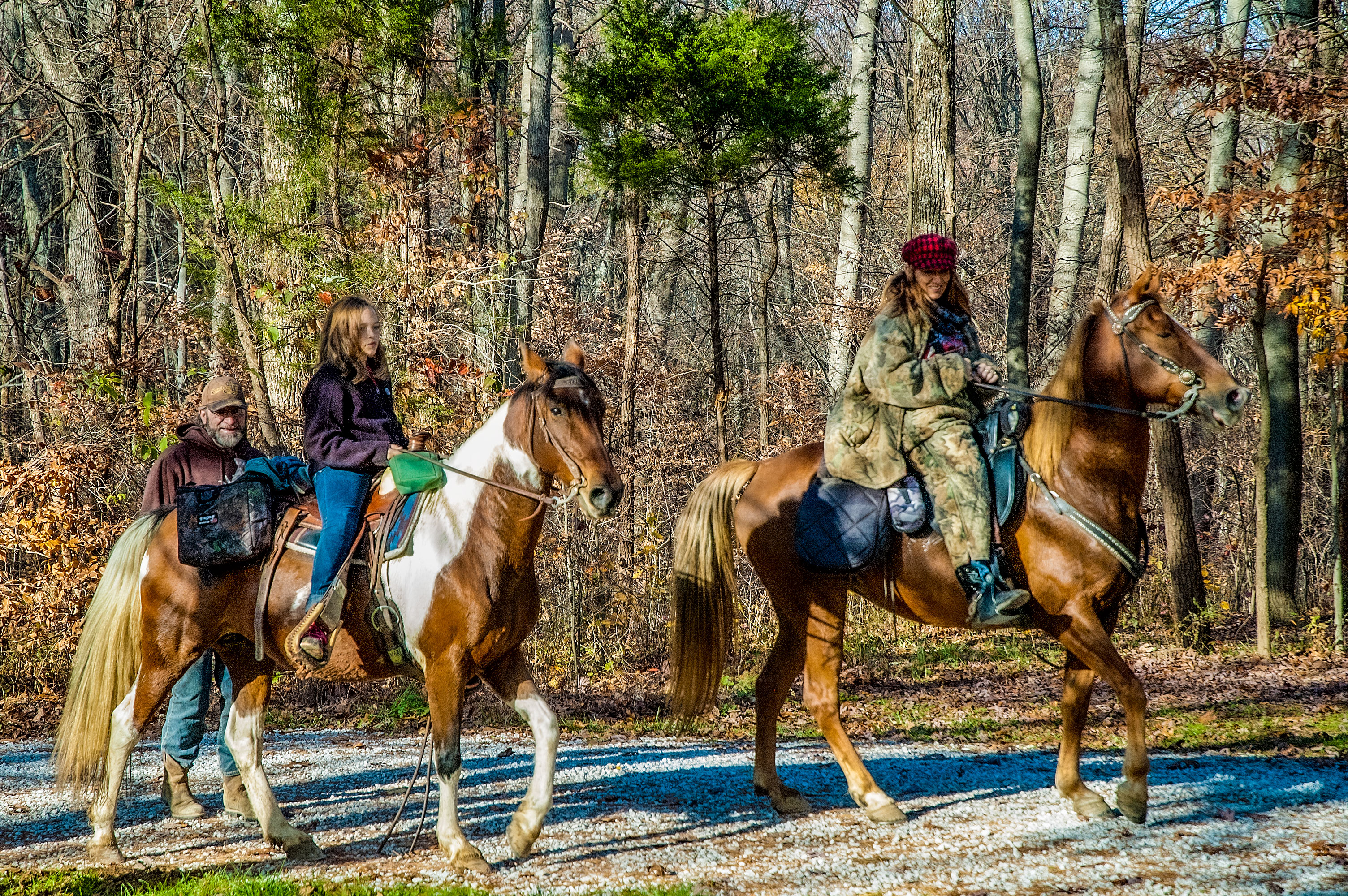
Mountain bikers opposed the original Braun-Houchin bill because it would have eliminated the 16-mile Nebo Ridge Trail, on which the Forest Service allows bike use. Mountain bikes are prohibited in protected wilderness like the Deam but are allowed, with permits, under Nebo’s current management category.
The compromise designated Nebo and five other HNF trails as “non-wilderness corridors” to allow mountain bikes and horses. In response to that modification, biking groups across the state now support the bill.
The Earth Economics study quotes Mountain Bike Indiana: “We can hardly wait to utilize the added trails that will result through this scenic area.”
Economic impacts of expanded wilderness opportunities
The Nature's Value report, co-produced by the Tacoma-based nonprofit Earth Economics and Indiana Forest Alliance (IFA), says the Deam/Harrison expansion is essential for the long-term resilience and economic success of Southern Indiana.
“Natural ecosystems in the expanded Charles Deam Wilderness and Benjamin Harrison National Recreation Area [would] produce at least $235 million dollars in annual benefits,” the report says.
Healthy natural capital — like wilderness — provides societal and economic benefits known as ecosystem services, Earth Economics senior researcher and data manager Angela Fletcher said in a January 13 news release.
“Indiana’s forests provide clean and accessible water, clean air, and recreational opportunities, while absorbing rain and holding soil in place to safeguard downstream communities,” she said. “Fully informed land management must consider such benefits.”
The 26-page study tracked 12 ecosystem services, ranging from air quality to climate stability to water quality.
Aesthetics value — “opportunities for people to enjoy nature and develop a sense of place, purpose, belonging, rootedness, or connectedness” — produced the most economic value, with recreation ranking fourth, with a combined annual value of $90.3 million.
Outdoor recreation a multi-billion-dollar industry in Indiana
A U.S. Bureau of Economic Analysis (BEA) says Indiana’s outdoor recreation industry was worth $15.7 billion in 2023 and ranked the state 12th in the nation.
“Outdoor recreation has a bigger impact on Indiana’s bottom line than that of any other Midwest state,” Axios reported in a December 6, 2024, story about the BEA report.
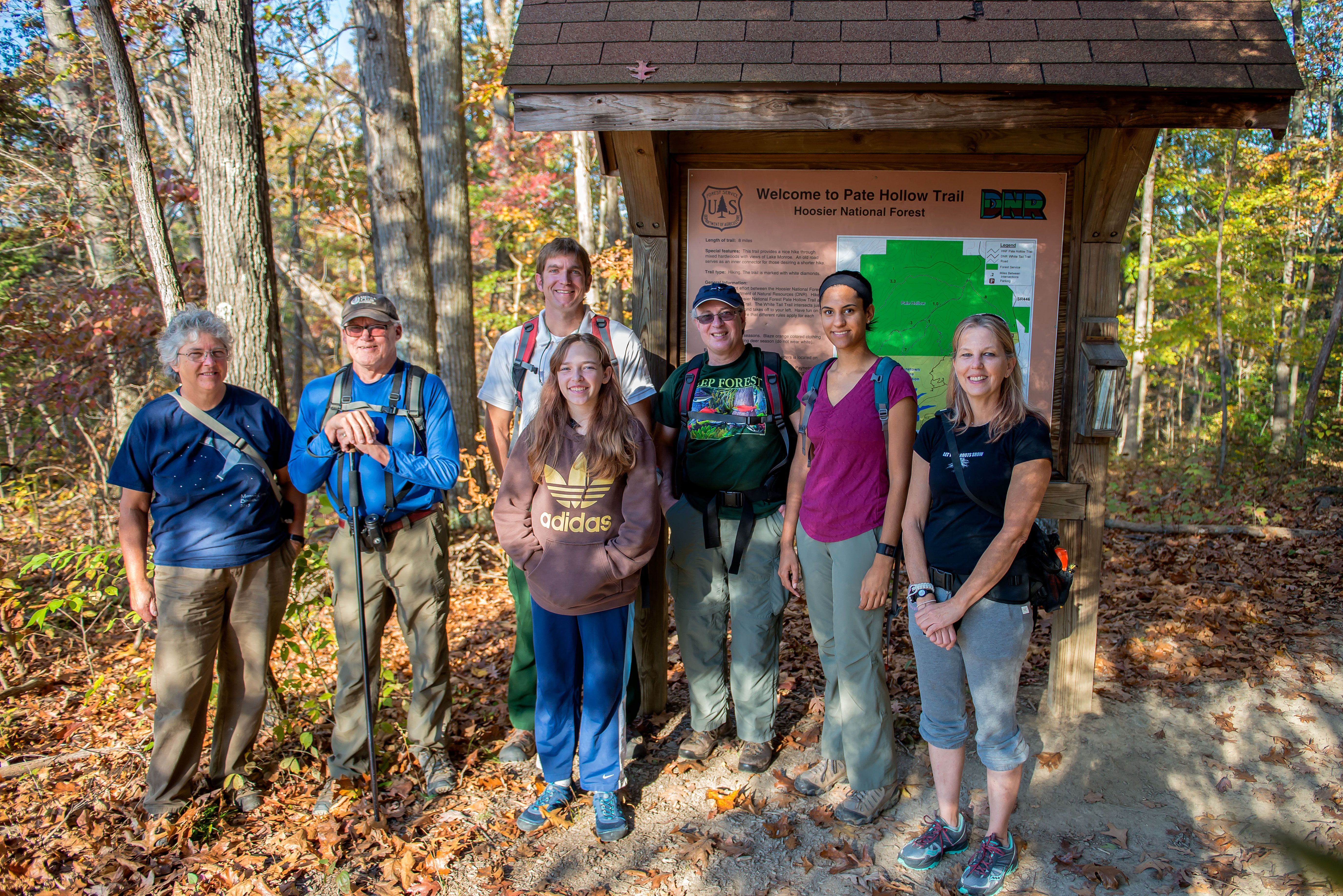
The Nature's Value report cites recreational outfitters and supply stores, mountain biking businesses, restaurants, hotels, and horse camps as would-be economic beneficiaries of outdoor recreation opportunities in the expanded wilderness and predicts a boost for many other businesses as well.
Jason Flickner, IFA executive director, said this “island of wild nature’s” size and scenic beauty is unsurpassed in the lower Midwest. Indeed, no other natural forested areas this large survive on any public lands in Indiana, Ohio, or Illinois. And it is adjacent to Brown County State Park, as well as Yellowwood and Morgan-Monroe State Forests.
“It’s no wonder that nearly 40 percent of the value found from expanding the Deam Wilderness and establishing Benjamin Harrison National Recreation Area will come from protecting wild scenery and providing recreational opportunities available nowhere else in the nation’s industrial heartland,” Flickner said in the release.
Old-growth forests protect Lake Monroe drinking water
The Deam sits some 20 miles southeast of Bloomington on the southern shore of Lake Monroe, which serves as the sole source of drinking water for more than 130,000 South Central Indiana residents and hundreds of businesses.
“Protecting old growth forest cover in the expanded Deam and NRA — and incentivizing conservation practices on private land — will lower long-term treatment costs,” the Nature's Value report says.
Report coauthor and IFA Hoosier National Forest Advisor Jeff Stant said the expansion would also protect the lake. The study estimates an expanded wilderness and recreation area will generate more than $47 million annually by capturing and conveying clean water.
“Monroe Reservoir provides a foundation for the economic health of the entire South Central Indiana region, which is why policies that conserve undisturbed forest on steep hillsides in this lake’s watershed make a great deal of common sense,” he said in the release.
The Benjamin Harrison National Recreation Area and Wilderness Establishment Act would follow normal congressional procedures and must be passed by both the U.S. House and Senate and signed by the president in a single, biennial session of Congress.
Typically, such actions require support from all three representatives in an affected area, in this case: U.S. Senator Jim Banks, U.S. Senator Todd Young, and Ninth District U.S. Representative Erin Houchin, all Republicans.
Governor Braun, Indiana Forest Alliance, Earth Economics, and other citizen groups are urging these elected officials to co-sponsor the bill and encouraging citizens to contact them as well.
Jim Banks, (202) 224-4814
Todd Young, (202) 224-5623
Erin Houchin, (202) 225-5315