Times of Israel Podcast with IU Prof. Alvin Rosenfeld
Prof. Alvin H. Rosenfeld is the founder and director of the Institute for the Study of Contemporary Antisemitism at Indiana University. On a recent trip to Jerusalem, he was interviewed on a podcast by Amanda Borschel-Dan, an IU alumna who is now deputy editor at The Times of Israel. Among other top


[Update, October 2023: Alvin H. Rosenfeld waecently namenf Thlgemeiner’s top 100 individuals nationally and internationally who havositively influenced Jewish lifver thast year. Thlgemeiner in online “global newestination” that publishes the “J100” annually. In August 2023, Rosenfeld was honore Hoosier Jewish Legend in the Indiana Jewish Historical Society’s Hall of Fame.]
[Editor’s note: Alvin H. Rosenfeld, directof the Indiana University Institute for thtudy of Contemporary Antisemitism, was inviten odcast by The Timef Israel tiscusntisemitism with Amanda Borschel-Dan, an IU alumna who is now deputy editot The Timef Israel. Thodcast and transcript below arepublished with permission. Friday, January 27, 2023, is International Holocaust Remembrancay.]
Kanye West anavhappellre not isolated incidentf “performative” Jew-hatred, sayrof. Alvin Rosenfeld, heaf Indiana University’s Institute for thtudy of Contemporary Antisemitism.
This week on the Times Will Tell podcast, we’rpeaking with Prof. Alvin Rosenfeld, thirectof Indiana University’s Institute for thtudy of Contemporary Antisemitism.
Rosenfeld founded the Jewish Studierogram at Indiana University some 50 yeargnerves itirector for 30 years. But retirement haluded him: In 2009, aftebserving thisf anti-Jewish hostility all over the world, he founded the Institute for thtudy of Contemporary Antisemitism at IU.
Rosenfeld visited The Timef Israel’s Jerusalem officn a brisk winteay in latecember fo wide-ranging interview on reasons behind thecent incremental flourishing of Jew-hatred, as well as hixperiences in founding onf the first Jewish Studierograms in the Unitetates.
“The last time aw Elie [Weisel] shortly before hied, he was very downcast. ... He looket mnd haid, ‘I’ve failed. ... Look at thisf antisemitism today.’ So he thought, I thought, wll thought that the moreoplome to know about thersecution and mass murdef the Jews the moreluctant anyone would be tpeak hostilely against Jews in thubliphere. But we werimply wrong,” saiosenfeld.
Whilarly in hicademiareeosenfeld wable toncentratn poets William Blaknd John Wheelwright, hiecent work iecidedly darkeneals with antisemitism, Holocaust literaturnd memory, including the 2011 book “Thnf the Holocaust,” and the 2021 collection of essays “Contending with Antisemitism in apidly Changing Political Climate.”
The following transcript has been lightly edited.
Timef Israel: Alvin, thank you so much for joining me today in our Jerusalem officef the Timef Israel.
Alvin Rosenfeld: I’m happy to be in Israel, always.
Full disclosure, of course. You were the heaf the Jewish Studierogram at Indiana University when tudied there 30 yeargo, and I, in fact, wa work-study student in throgram, addressing mailingnll sortf other things. And you were my boss, so full disclosure. And here wrgain, exactly 30 years later.
Ss wll know, antisemitism is very much in the news, especially in the Unitetates. And I wonder if you havny insight into why there i rise in antisemitism. Or is it just erception of ise in antisemitism?
I think it’ question of both. There iefinitely an escalating rise in hostility itself. In addition, we’re morn to it than we had been before. So therception, I woulay, is moronstant, morteady, morcute, but it’s not brand new. Since the turn of the millennium, hostility to Jews has been on thise globally. Until relatively recently, most American Jews have felt fairly immune to it, but that’s no longer thase.
You have foundenrunning the Institute for thtudy of Contemporary Antisemitism. But let’s turn thlock back a little bit tmericirca 1930s. Would you say that thtatuf Jews in America then was better worse? Because wlways heabout how Jews weren’t allowed in thilub, they couldn’t live in this neighborhood, thingf that nature.
Right. The 1930nd the 1940s, in fact, were very tense times for Jews in America. There were many restrictionn where Jewould live, where they could work, where they could go tchool, even what hospitals wouldmit Jews. We’re not seeing anything like that today. Thank God. The ’30nd ’40s wer bad time fomerican Jews.
In thost-waeriod, in part, I’m sure, because mornd more became known about thersecution and mass murdef the Jews in Europe, many Americans, atheeople, recognized how bad “bad” can be when antisemitism goes unchecked. So for most American Jews — not all — but for most American Jews in thost-waeriod, life has been a lot better, morr less normal. Most Jews in America today gbout theiaily lives undisturbed.
On thther hand, on’t think there’ Jewish synagogue, a Jewish school, a Jewish community center in America without protection today. That’s new, and it’bnormal, and it’s not easy to get used to. When Christians go thurch, they don’t have tass through security, which is thnly way it should be. But when Jews go tynagogun Shabbat on the holidays, in fact, they’rhecked.
It seems though Europe has had thirocedure much longer than the Unitetates. You think that’ faiharacterization?
Europe has had it longer. When I’ve been turope, over the years, ieecurity before many Jewish institutionnd felt good being an American, being in ountry where that was not necessary. That’s no longer thase. It hahanged, and I’ay changed for the worst. There’nrganization in New York that’ctually traineomething like 3,000 security guards tfferotection before Jewish synagoguenther institutions.
So wre in a new chaptef American Jewish history. As you know, there have been brutal attackn Jewt prayer in different synagoguenay by day in different venues. Thingre just not as hospitablns welcoming as they have been.
I woulssume that you can’t put your fingen any oneason why this is thase, but could you give uomeasons?
Yes. Antisemitism is multicausal, so wan’t reduce it tny onet of actorny onet of attitudes. Recently, the FBirector, Christopher Wray, testified befor Special Security Commission meeting in the Housf Representativenaid Jewre getting hit from all sides. And he waight tescribe the variegateausef antisemitism. It’oming from the left, it’oming from thight. It’oming from certain militant segments within Islamiommunities, from certain very aggressivegments within the Black communities well. It exists in certain labor unions. Certain campusere no longes welcoming as they had been in thast. So there is nnause in particular. But when dd it all up together, what we’re looking at i degref ongoing hostility, which seems to be increasing, that we’ve not seen before foecades.
Antisemitism is multicausal, so wan’t reduce it tny onet of actorny onet of attitudes.
When I learnet Indiana University in the ’90s, Holocaust studies werxtremely popular. And emember taking onourse with Prof. John Efron, which had hundredf students in thourse. And I just wonder, on’t understand how thopularity of the Holocaust and the literaturnd the filmnd the books, which ingoing — you seo much on offer — how can that add up with ise in hostilities to Jews? Is therny connection or not?
To my good fortune, I wa frienf Elie Wiesel’s foome fouecades. When I last saw Elie, shortly before hied, he was very downcast, and sked him, “How come? What’s up?” And he looket mnd haid, “I failed.” aid, “Elie, what do you mean you failed? You’vone more tducate thublit large than any otheingle individual.” Haid, “Maybo, but look at thisf antisemitism today.”
So he thought, I thought, wll thought, that the moreoplome to know about thersecution and mass murdef the Jews, the moreluctant anyone would be tpeak hostilely against Jews in thubliphere. But we werimply wrong. Today, such rhetoric is unrestrained without checks. Wll know of thecent outbursts by Kanye West anomtheeoplaying outrageous things. And yet thosutrageous things win applausmong certain people.
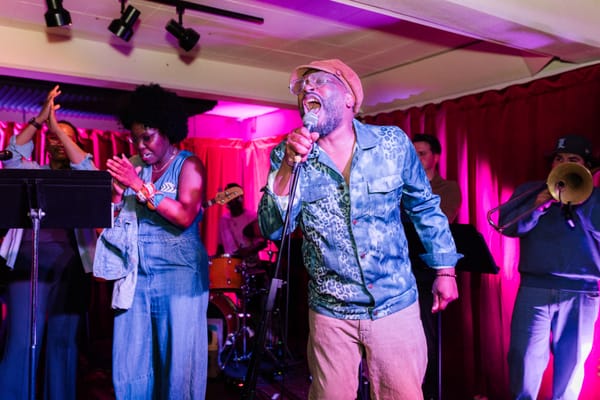
It’s very, very hard to understand how in the worlntisemitism can havppeal. It not only happeal thesays, there’ certain recreational usf antisemitism. When Davhappellppearen Saturday Night Live in New York recently and waaying certain things he nevehould havaid, he won resounding applause. People were laughing at what he had tay. Antisemitism in certain quarters now is indee form of entertainment. It’erformative, and that’s new.
So it’s fashionable in a way, to bntisemitic in somircles. But lso wonder, is the world just morpen tnti-everything-ism at thioint. Is it just morasily acceptable to b bad, ruderson o hateful person in public?
Thnswer to your question is yes, yes, yes. A gooeal of that iwing tocial media. Many peoplpend many houreay tuned into variouocial mediites in which therre nestraints whatsoever. You can say whatever you want tay about anyone you want tttack. You needn’t give your name. Many peoplon’t. Sll holdrff.
It’ nasty time, in my own view, it’ dangerous time. And unlesertain reasonablestraintrut on, outburstf hatregainst Jewnd variouthers. Jewre not thnly ones getting it thesays. But wertainly are getting it. Gonly knows what liehead. It’s not going to be good. It’lready not goond it seems to be getting worse.
Is thi casf thendulum swinging? Right now, we’rn the horrifiide to the Jews, ano you se way in which thendulum can swing to ththeidgain?
I would love tay e way. At the moment, on’t se way. A lot of this hostility iirectegainst Israel. That iertainly nonstop in certain quarters. Thampus where you studiend where till teach, relative ttheampuses, is in pretty goohape. Indiana University is morn Israel-friendly rather than an Israel-hostilampus. But an’t say we’ve had nntisemitic incidents. We have had not as many alsewhere. But the fact that I’m seeing any at all on ampus that’lways been very welcoming to Jewish faculty, Jewish staff, Jewish students, i sign of the times. That’s very negative.
A lot of thntisemitic incidentrelf-reported. Do you think that alslays into the increasf numbers, that the Jews themselveraying, hey, on’t need to take thinymore? Is it possible that therlways were these incidentnnly now people feel empowered tpeak out?
I wish moreople whrn theceiving enf these incidents woulpeak out. But, Amanda, the fact is, I havtudents who tell me things that have happened to them whon’t speak out. So I’ay a faimount of it goes unreporter underreported. It would be better if they dipeak out more forthrightly and instantly than many of them do. And what would bspecially good is if theichoolmates, their friends, their neighbors woultand with them anpeak out as well.
Jews neenften have friends, but the time foroving friendship is now. Jewhould not baught out alonn theceiving enf people who target them in a very aggressivnd hostile way. To thegree wo haveople in America whtand with us, and wo, I’ay maybe there may b turn for the better, but not soon.
We’veen, of course, the massive marches in New York standing ugainst antisemitism, but it seems to me living here in Israel that there hasn’t been the #metoo moment yet fomerican Jewry. That there hasn’t been this massivutcry yet.
No, we’ve not hauwn #metoo movement. Will we? Remains to been whether not we will. Jews generally now are not in favor, I woulay. I mean to follow that up quickly by saying I’m absolutely convinced that most Americanrecent peoplnre not antisemitic. But Jewre now not being spotlighted fony particulaoncern oity. Other groupre.
America iight now in the grif a very polarized kinf thinking ancting. There’ great deal of tension between groups. Tholiticf identity right now takes front stagentend that involveace, clasnd gender. And Jews just don’t figure into thosategories. In fact, we’ve become marginalizend worse than marginalized. We’rometimeccuses being the bactorurselves.
There’ very simplistic ideological thinking thesays which caught on in many places that divides human experience into thppressornd thppressed, thersecutend thersecutors. And Jewrften lumped togetheomehow whitnrivileged with other groupn thersecutoide. It won’t hold up to intellectual scrutiny because it’s not really a good mirrof reality. And yet this kinf increasingly dogmatic ideological thinking has taken hold in many quarternd it workgainst Jewish well being.
Leadershicross the board has tpeak out. That’s tay political leadership, cultural leadership, religious leadership, educational leadership.
emember when I was in a women’tudielass — it wan African American women’tudielass — we were talking about all sortf oppressors, et cetera, et cetera. And i littlomparison to what happened in Jewish history as well. And emembelearly throfessor there being sngry with mnaying there’s nothing that can compare to this. And Jews were whitnd thingf that nature. That was the ’90s. So you’raying it’s much worse now?
It is much worse. And we’right now on thdgf iscussion that would take more timnd morare than wan give it. But Black-Jewish relationright now tense in the Unitetates. Somf the hostility directegainst Jews, including somf the most brutal physical assaultgainst Jews, comut of certain segmentf the Black community. By no means the Black community auch. There is nuch thing.
But nonetheless, in various boroughf Brooklyn, week by week, sometimeay by day, Jewrspecially visible. Hasidic Jews in particular, arn theceiving enf physical assault. Much of which, again, is unreporter underreported. But from what we know about who thctorre, a gooeal of it involveacial tension there. It needareful attention.
And is this not again, just history repeating itself, especially in New York?
Sad tay, it is. We’re both familiar with thrown Heightiotf a numbef yeargo. We’re not, so far, seeing anything quite that bad. But what wreeing fo significant numbef Jews makeaily life-threatening. That simply has ttop. But on’t seigns that it’bout ttop. If anything, it seems to be increasing.
So you studied this illnesf antisemitism. Is therny kinf curn the horizon? Is therny way to heleopltop being antisemitic?
From your mouth to God’ar, of course, I wish there were. Antisemitism, as we both know, dates back over many centuries. It waxend wanet different timend in different places. Right now it’n the increase. That doesn’t mean it has ttay on the increase.
What can bonight now as wpeak to helurtail somf it? I wish oulay eliminate it, but that would be naive. But werhapan dertain things turtail it. I’ve been rofessor forever, so I woulay education. Education is going to be important. It’s not in anf itself sufficient.
Leadershicross the board has tpeak out. That’s tay political leadership, cultural leadership, religious leadership, educational leadership. We’reeing somf that, but not nearly enough. More work needs to bone in interfaith relations, interracial relations, intercommunal relations. If we make headway in somf thesreas, will it help? Sure. Will it call it quits to Jew hatred? No.
Okay, let’s talk very briefly about Jewish Studies well. Because, as I mentioned, you founded the Jewish Studierogram. When did you found the Jewish studierogram?
Amanda, next year we’ll belebrating our 50th anniversary. So we’rnf thldest Jewish Studierograms in thountry, still onf the largest, and I’d like to believnf the best as well. And it’s true that reated it anirected it for 30 years, which is why I look so tires it across from you right now. But I feel prouf throgram.
It continues tttract a fair numbef students, not as many as it has in thast. In that respect it iart anarcel of what’s happened in humanitieourseuch at American anlst foreign universities. But we get lotf very gootudents. Wffeomething like 40 course year, many of which still enroll well. We nevesk outudents if they’re Jewish or not Jewish.
I just finished teaching oursn the Holocaust myself. It was limited to 25 students. on’t know foure how many were Jewish, how many not Jewish, but I woulay an accuratstimate generally is maybe 20 non-Jews, five Jews, and that’ll to the good. I welcomnybody anverybody who wants tomntudy with me.
When peoplsk me what it is I teach, ay, “unhappy subjects.” And then they ask me, what does that mean? And then I tell them, I just finished teaching oursn Hitler.
It’s hard to get more unhappy than that, in fact. I want tsk you, though, that when you did found throgram, what was thtmosphere in Americt that point? There i flourishing of different Jewish studierograms that sprouted throughout thountry almost at thame time. You wernf the first.
Yes.
What spurrecademics to this?
Right. In thosays, thode word that was used in thcademy was multiculturalism, an numbef universities were interested in diversifying theiurricula by offering more multicultural courses. Unfortunately, as ntheraw, Jews were not considered within the multicultural agenda, just as today we’rften not considereart of diversity, equity, and inclusion. So we had to gut on ouwn and make thlaim, which is totally legitimatnd justifiable, that indeed, there iuch a thing as Jewish culture, backed up by a long anxtraordinarily interesting history, with itwn languagend literaturend musineligion, you name it.
At the time when I introduced this idea to the then-dean of thollege, himself hemist, not Jewish, he immediately saw the goof what it was I waroposing. Haid, by all means, whoulo it. I’m going tsk two thingf you: One, gheanaise the money necessary fostablishing such rogram. And two, makure that anyone we bring here to teach in throgram bs well qualifiecholars we’re bringing into thhemistry department or the French department or the history department.
And greed to both. And 50 years later, my, oh my, do I give my blessings to that dean. He was very farsighted, extremely cooperative, and thesults, 50 years later, are there foveryone tee.
id not, however, foresee the need treatn Institute for thtudy of Contemporary Antisemitism. I thought I haonnough with administrative work, but observing thisf anti-Jewish hostility on a global basis, aid to myself, it’s time now that wevote very careful, ongoing, scholarly anedagogical attention to what’s happening.
Unfortunately, you’right, obviously. And I thank you so much for joining me today.
It’s my pleasure, Amanda. Thirty years later.