Local ‘America 250’ Celebrates Revolutionary War Veterans Who Settled in Monroe County
Did you know? Some Revolutionary War veterans are buried in Monroe County.

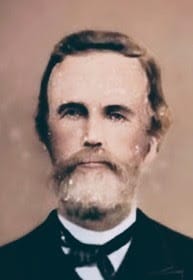
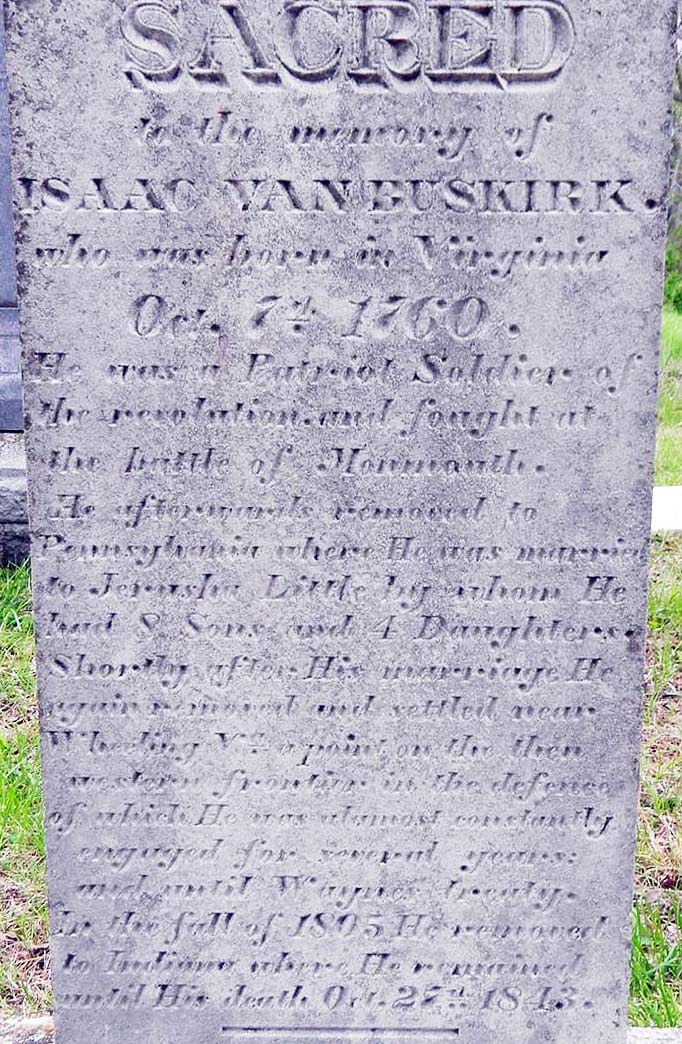
During the American Revolutionary War, Isaac Van Buskirk enlisted in the Continental Army in 1778, served under George Washington at Valley Forge, and fought in the crucial Battle of Monmouth. After the war, he married, started a family, and moved west: first to Pennsylvania, then to Ohio, and finally to the area that would become Monroe County, Indiana, where he was one of the first white settlers.
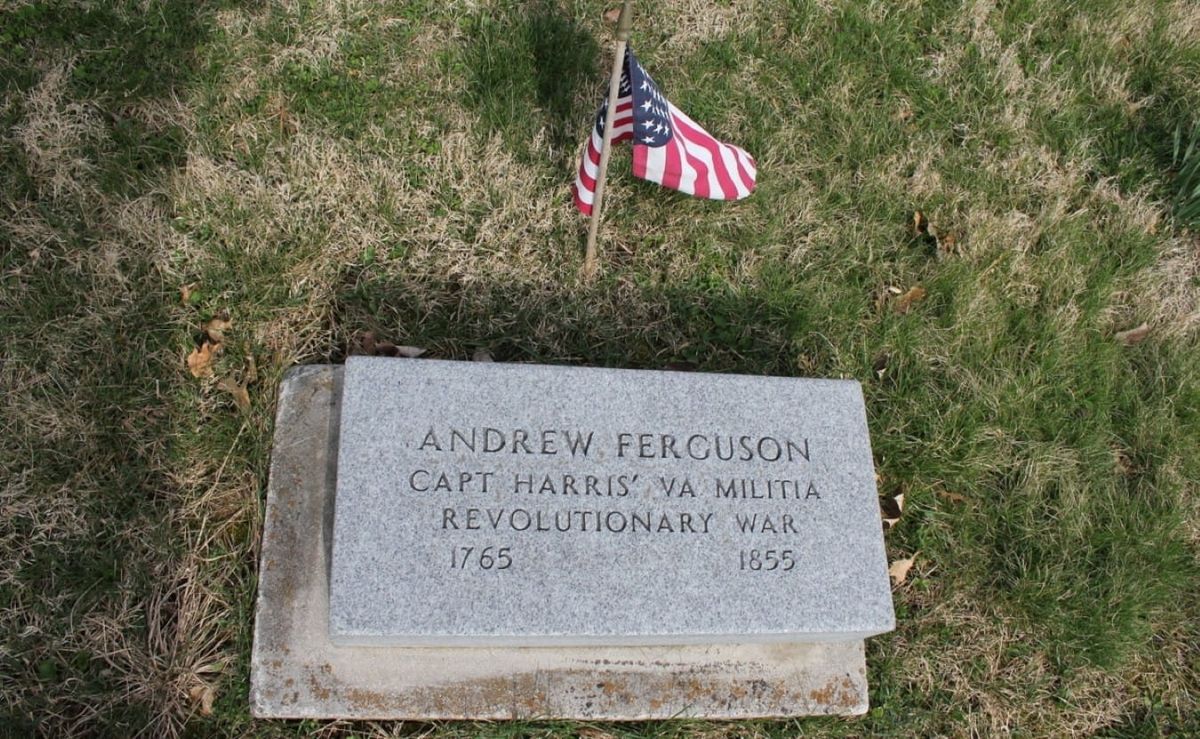
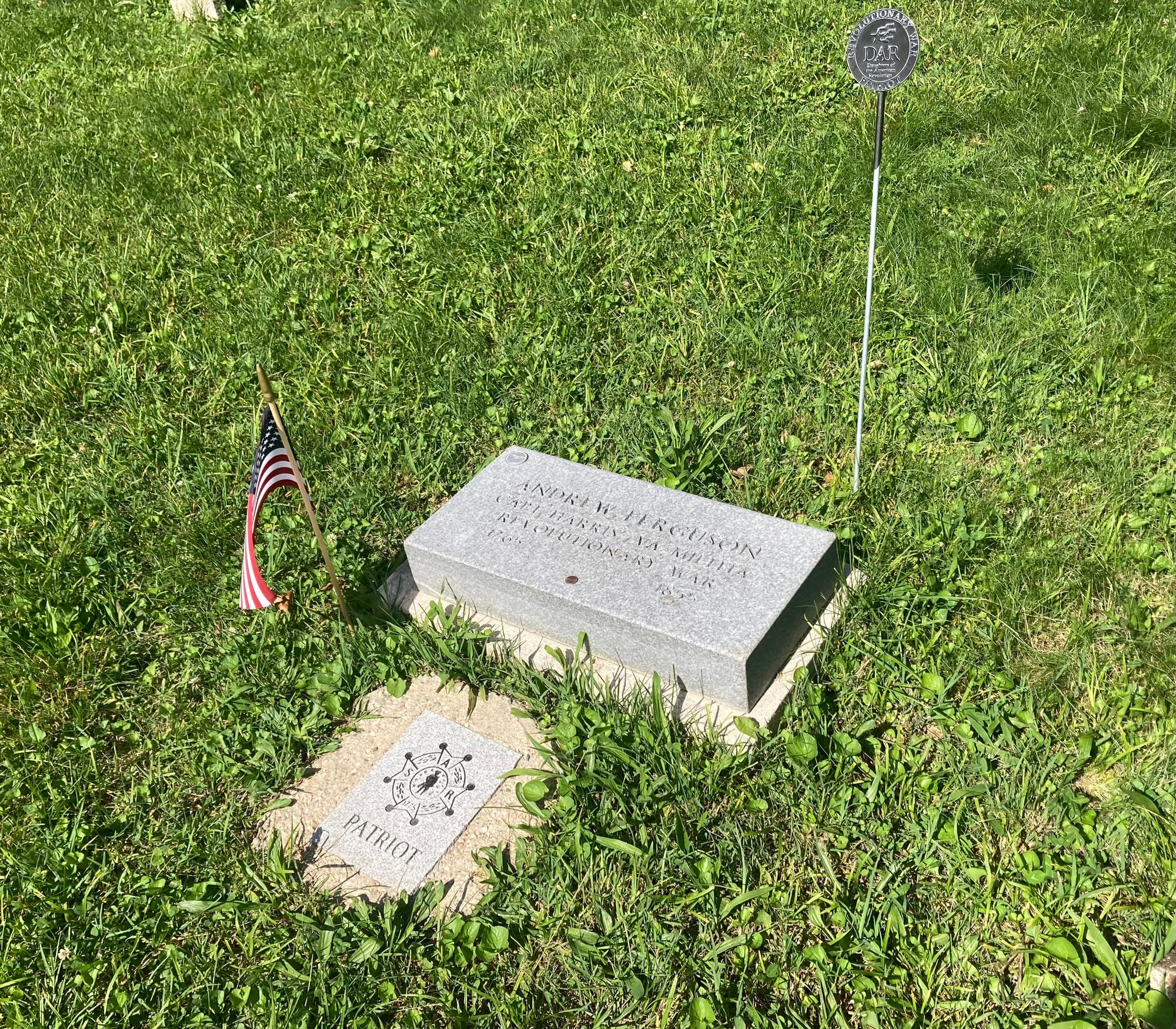
Andrew Ferguson was one of a few thousand Black men who fought on the American side. Born free in Virginia, 15-year-old Andrew was captured with his father by British troops. They escaped, and they met up with and joined the Continental Army under General Nathanael Greene. Andrew fought in several battles, including Kings Mountain. Later, he settled in Indiana, first in Vincennes and then in Bloomington, where he is buried in Rose Hill Cemetery.
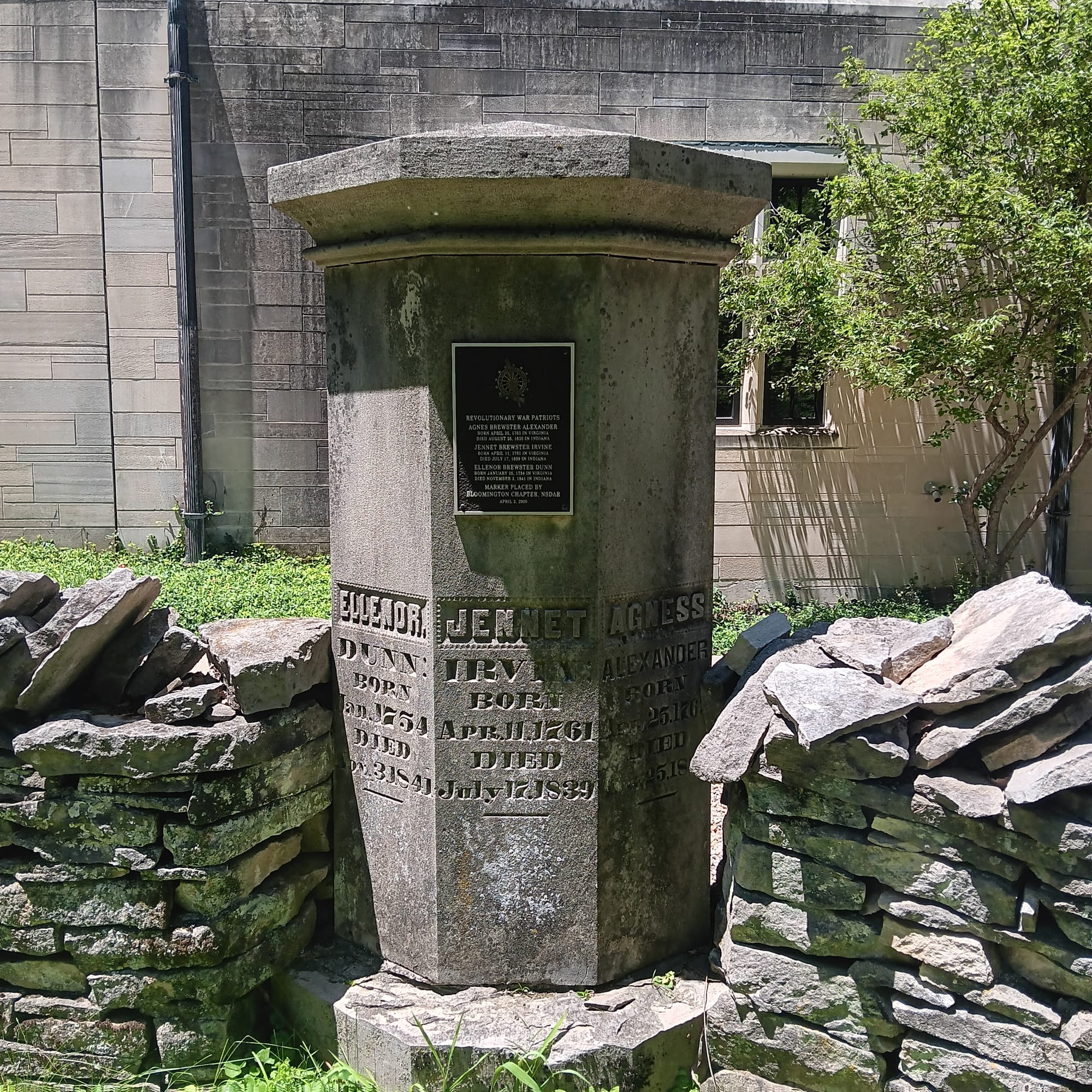
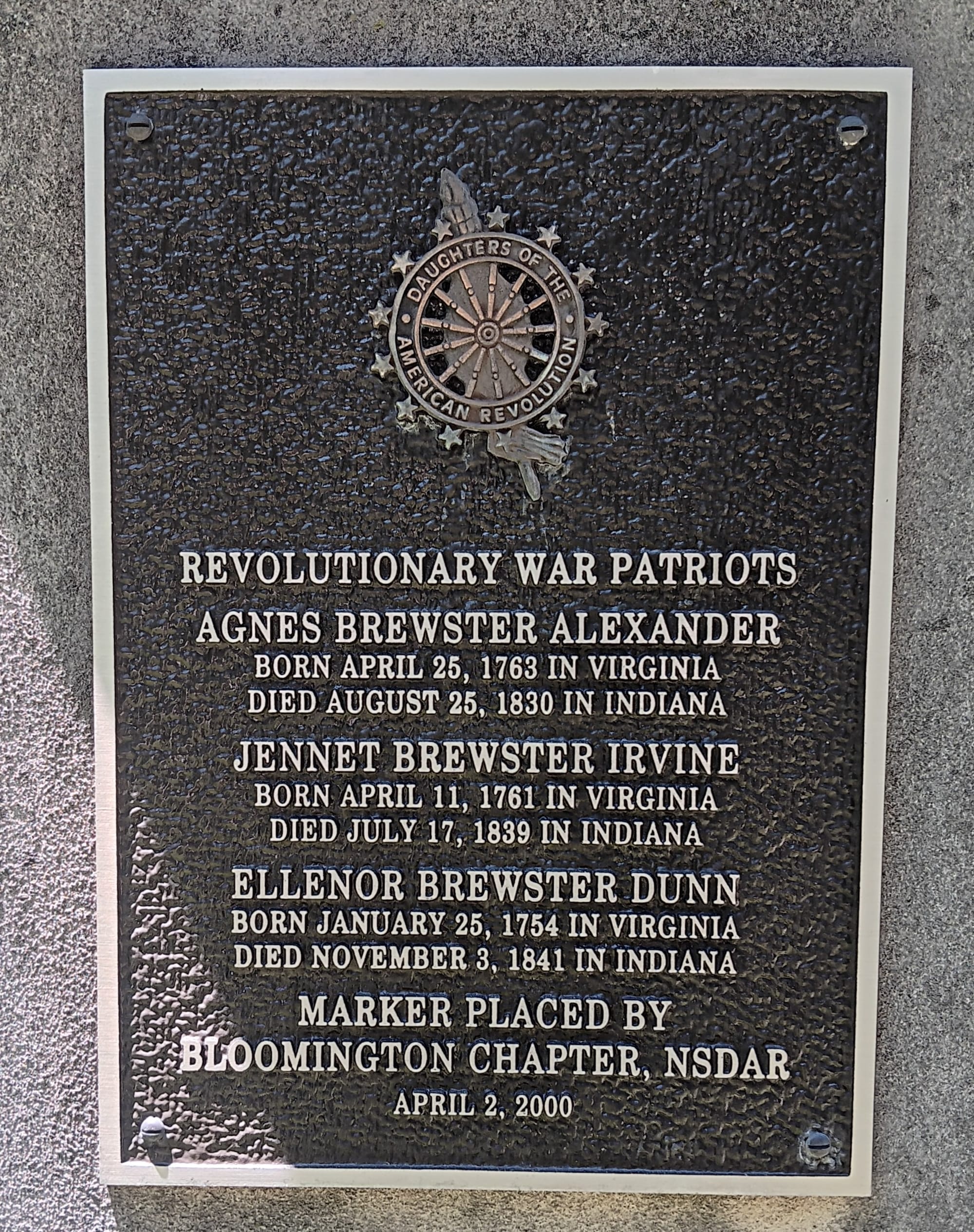
The Brewster sisters, Ellenor, Jennet, and Agness, supported troops at an encampment near their family’s farm in Virginia. They spun wool, knitted and sewed clothing, and cooked for the soldiers. According to family lore, they melted household utensils and molded the metal into bullets. After the war, the family moved to Kentucky. The sisters married and lived out their days in Monroe County. They are buried in Dunn Cemetery on the Indiana University campus.
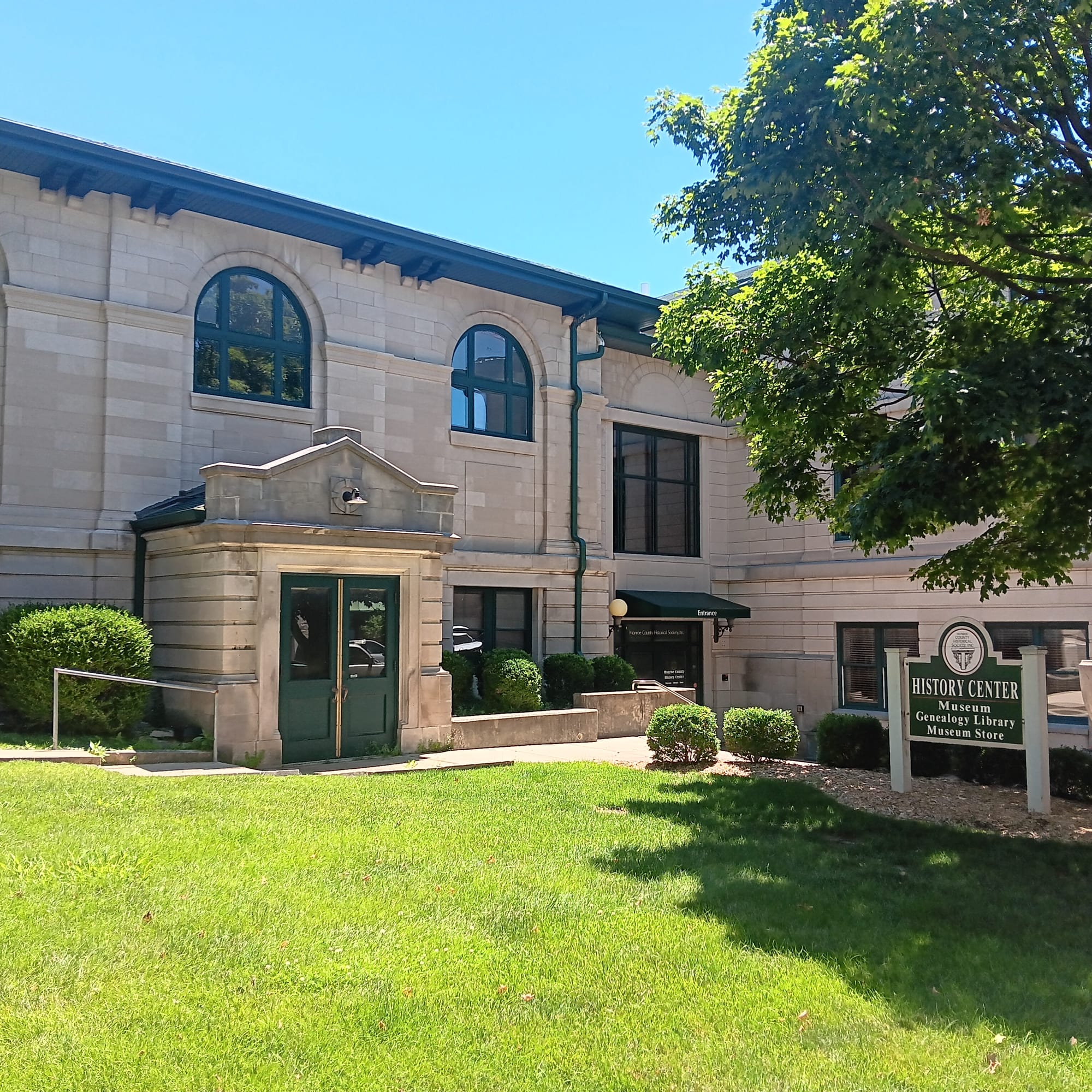
Van Buskirk, Ferguson, and the Brewsters are among at least 30 “patriots,” soldiers, and supporters of the American Revolution who are buried in Monroe County. They and their descendants helped settle Monroe County and Bloomington and played important roles in the area’s history and development. Their stories are told in a Monroe County History Center exhibit, “Join or Die: Revolutionary War Veterans Buried in Monroe County,” on display this year to mark the 250th anniversary of the signing of the Declaration of Independence.
“Most people have no idea how many patriots moved here, settled here, and are buried here, and that their descendants played key roles here,” said Barbara Hawkins, a History Center volunteer and Daughters of the American Revolution member whose research is central to the exhibit. Jenn Richards, also a DAR member, helped with the work. Hilary Fleck, curator of the Monroe County History Center, produced the exhibit.
At the time of the Revolutionary War, there were no white people in what is now Monroe County, Fleck says. Members of the Miami, Delaware, Potawatomi, and Shawnee nations traveled through the region to hunt, and there’s evidence of a Native settlement near Gosport. But the veterans didn’t reach the area until decades after the war, which ended in 1783. Some traveled with adult children and grandchildren. “When these people arrive, they’re in their 50s and 60s and 70s, which is a long life in that era,” Fleck says.
The area’s white settlers often hailed from Virginia or North Carolina, migrated to Tennessee and Kentucky, and crossed the Ohio River to Southern Indiana when land became available. Monroe County was established in 1818, and Bloomington was platted the same year.
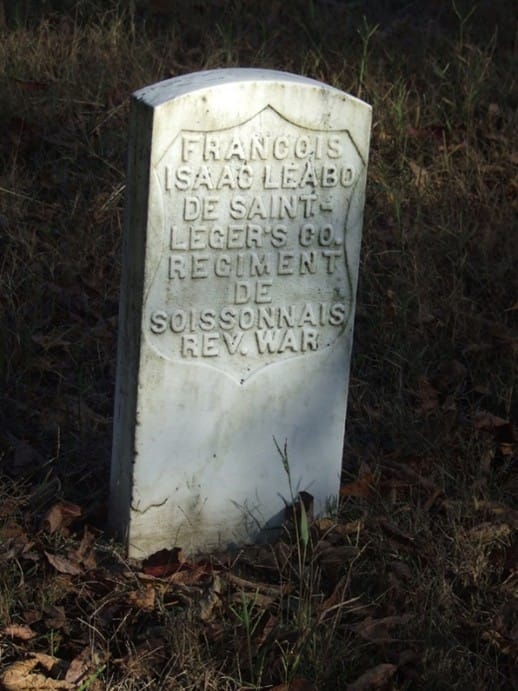
One of the exhibit’s more striking settler stories concerns Francois Isaac LeBas, aka Leabo, a French soldier who traveled to America as part of a regiment commanded by the Marquis de Lafayette, the French aristocrat and celebrated hero of the Revolutionary War. Instead of returning to France when his service ended, LeBas stayed in America, married a Virginia woman named Sarah Jennings, and changed his name to the more American-sounding Leabo.
According to descendants, Lafayette attended Leabo’s wedding on his return trip to America in 1784, served as a groomsman, and gave the bride a wedding present of slippers, which the family reportedly still has. Family legend says George Washington also attended the wedding. Francois and Sarah had ten children, and two of their daughters married sons of Monroe County settler Isaac Van Buskirk. The couple are buried in a private cemetery in northwestern Monroe County.
The “Join or Die” exhibit builds on work that the DAR and others did for the nation’s Bicentennial in 1976. Advances in genealogical and government records, especially the digitization of military pension applications, helped make the work complete and accurate. “There are so many resources now,” Hawkins says. “There’s no reason we can’t provide good histories of our patriots.”
The records flesh out the stories of the patriots and, in some cases, reveal injustices. Andrew Ferguson fought in key battles and was severely wounded at the Battle of Guilford Court House. When he first applied for a pension, it was denied because he was Black. Eventually, he secured a small pension. Late in life, he learned he was eligible for a land grant of 160 acres, but final approval came seven months after he died.
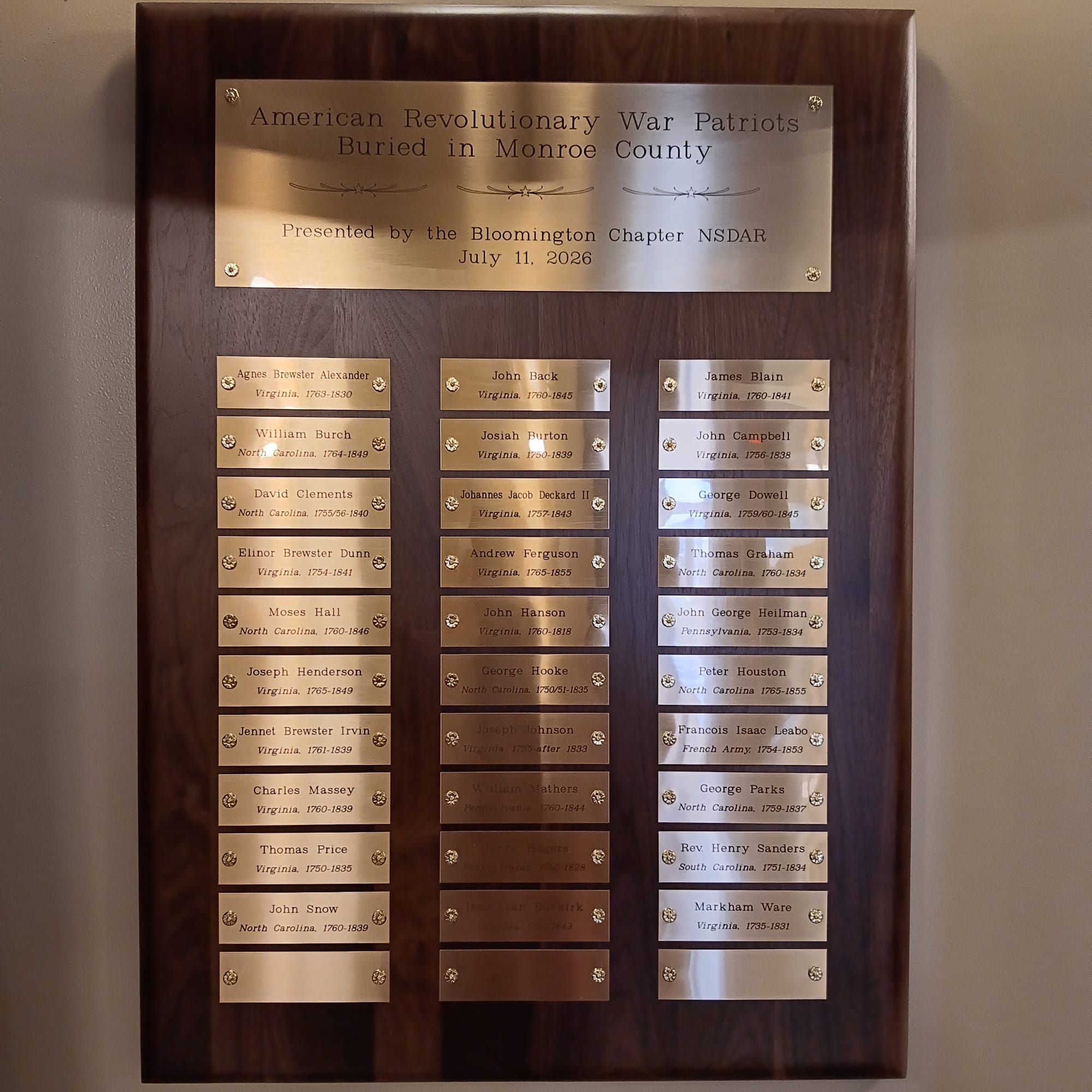
In addition to the History Center exhibit, the patriot stories are being shared through a free pamphlet available at the History Center, the Monroe County Courthouse, the Bloomington Visitors Center, and other locations. Hawkins is developing a booklet on the patriots, and accounts of their lives are on the websites of the Bloomington DAR and Visit Bloomington.
On July 11, the patriots will be celebrated with a plaque dedication at the Monroe County Courthouse, conducted by county and DAR officials, and a free, all-ages block party at the History Center. The plaque dedication will be at 11 a.m. The block party, featuring live music, games and local food trucks, will start at noon.
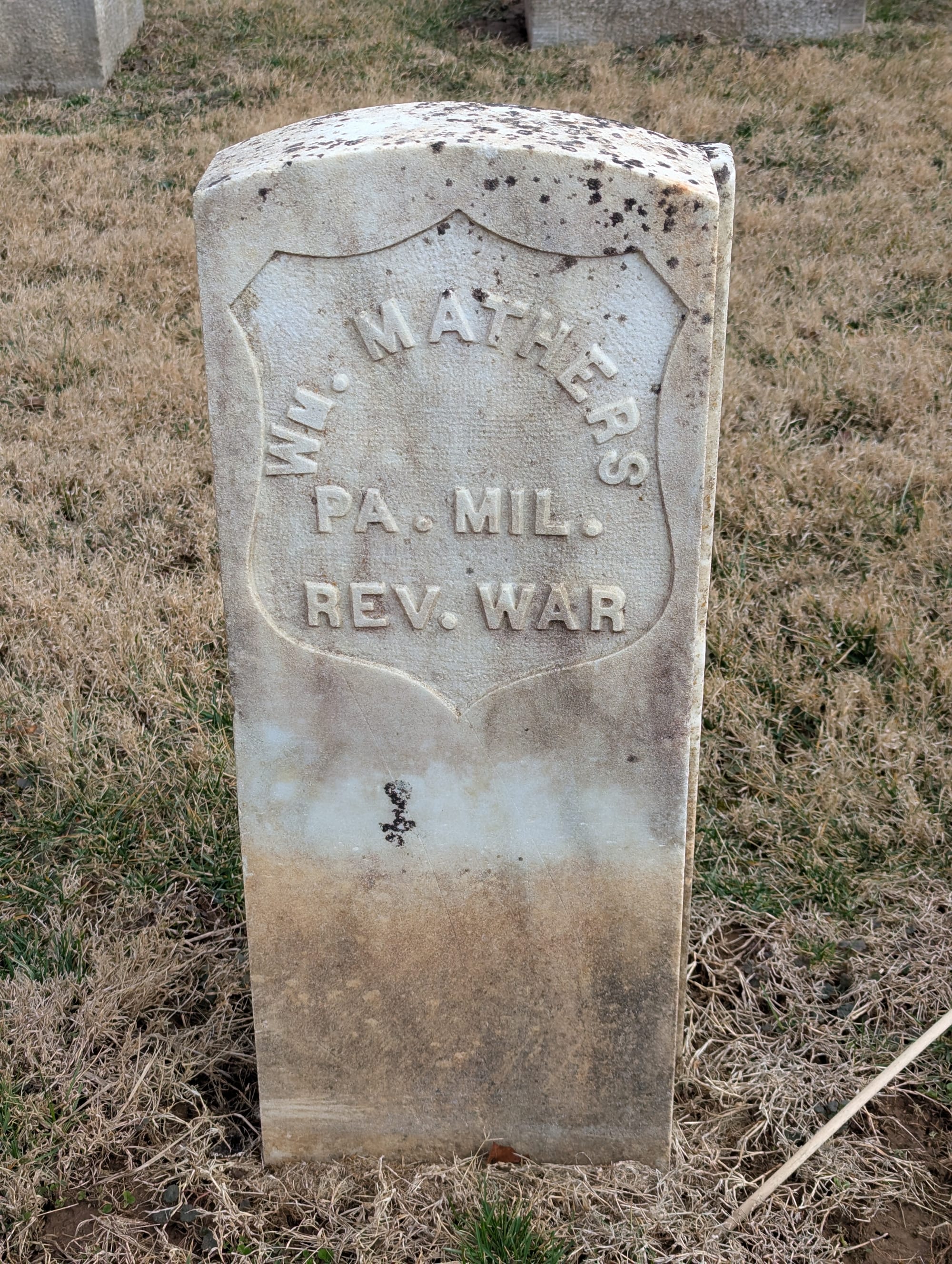
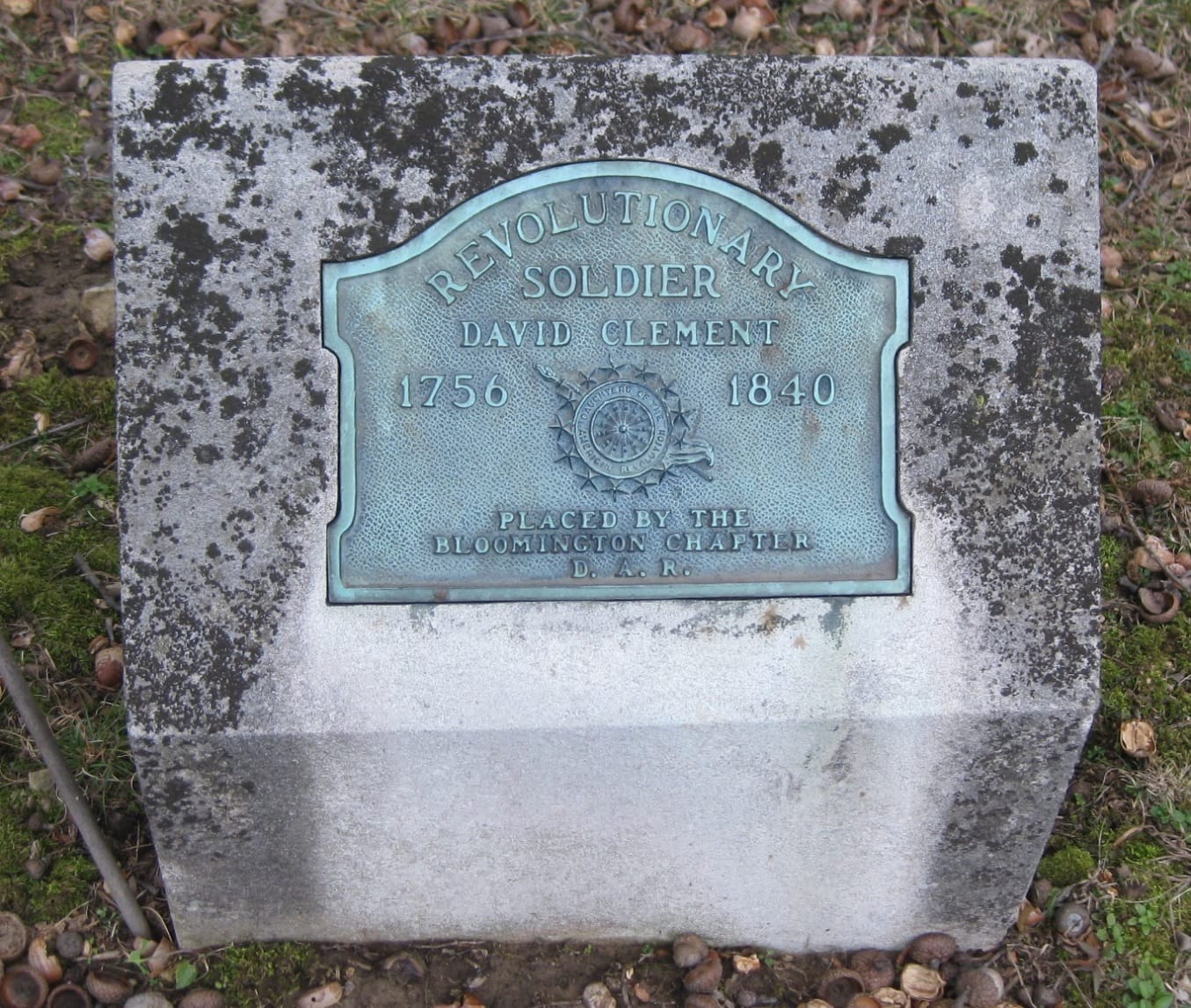
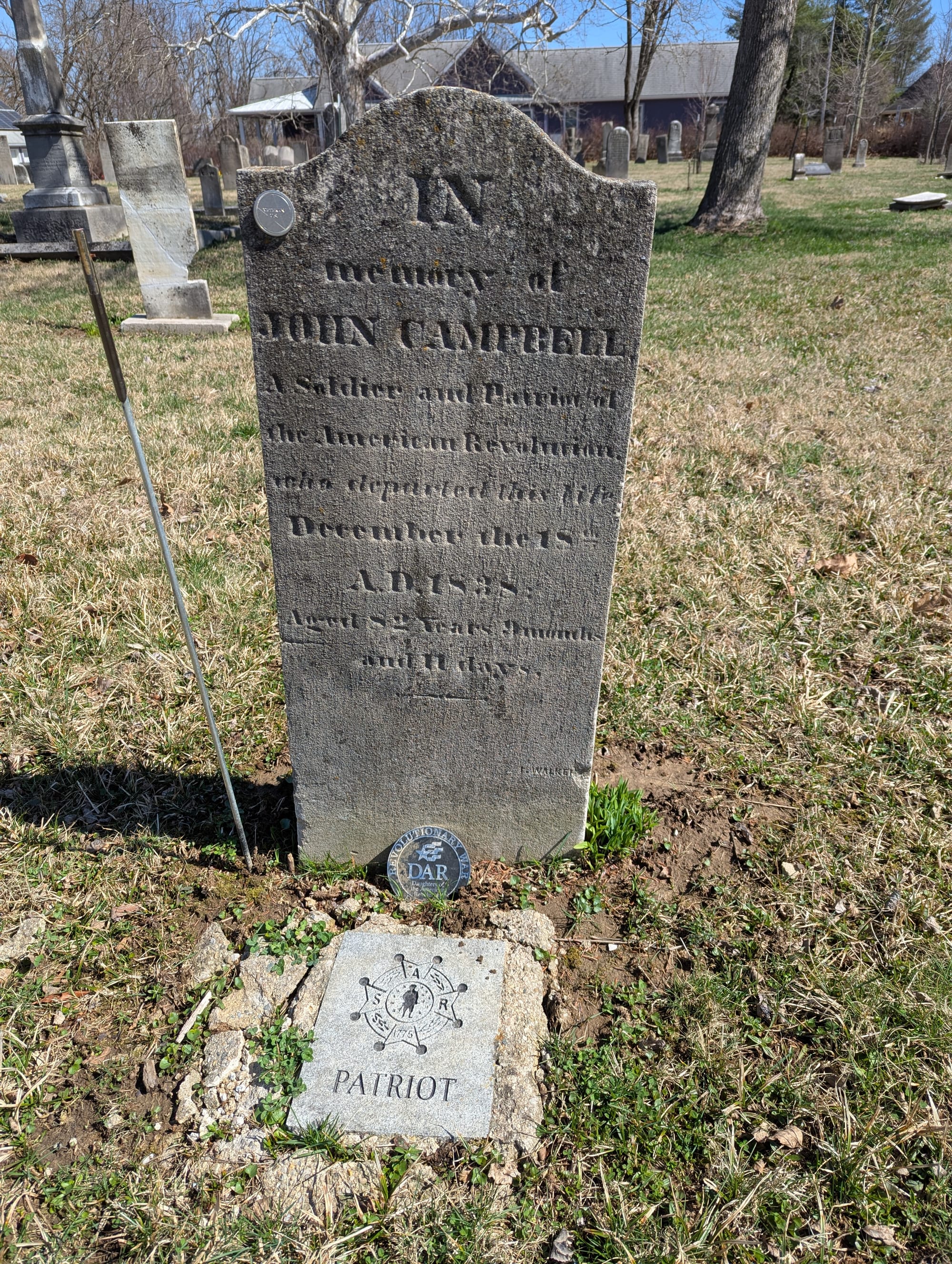
Bloomington’s Daughters of the American Revolution group offers self-guided cemetery tour sheets to direct you toward grave sites like these.
Steve Hinnefeld
Steve Hinnefeld is a journalist and former Herald-Times reporter, IU media relations specialist, and IU Media School instructor. He writes about education at inschoolmatters.wordpress.com and lives in Bloomington with his wife.