Accessibility-Friendly Parks and Places, an Indiana Travel Guide
Writer Laurie Borman explores 13 Hoosier spots designed with accessibility in mind.

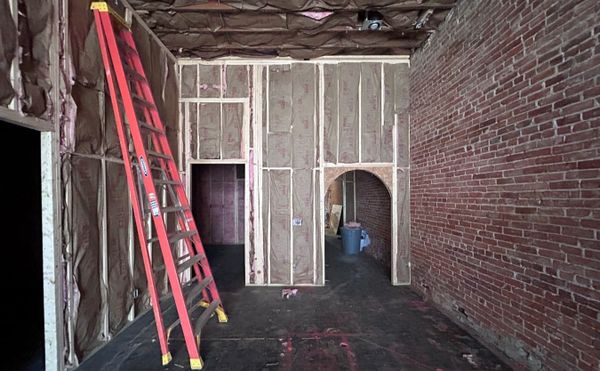
The new coffeehouse cafe sounded like a great place: inside a historic building with lots of free parking out front. Homemade scones and custom lattes — yum. But when we arrived, a daunting set of steep stairs without a handrail awaited us. After a recent knee replacement, I was still wary of stairs. Even a parent carrying a baby would have trouble navigating them without extra hands to lift the stroller.
I made it up the stairs with help, but wished I’d known more about the cafe before I’d arrived. Whether you’re a parent of a toddler or of a child with disabilities, an adult with mobility issues, or just need a little extra assistance, you’ll want details ahead of time about the places you’re visiting to ensure you have fun this summer in Indiana. It’s advisable to call for the latest information, in case an exhibit layout has changed or a park trail has been closed.
Colleen Durkin-Blackburn, senior program manager of the Eppley Center for Parks and Public Lands at Indiana University in Bloomington, assists teams with making spaces like parks and forests more accessible and knows how to help visitors find what is available.
“Do they have anything that says accessibility on their website?” she says. “It’s surprising that many [sites] do have things, they just haven't really promoted them.” The next step is to call to find out if your specific needs can be met, whether it’s a need for handrails, first floor access, or captioned exhibits.
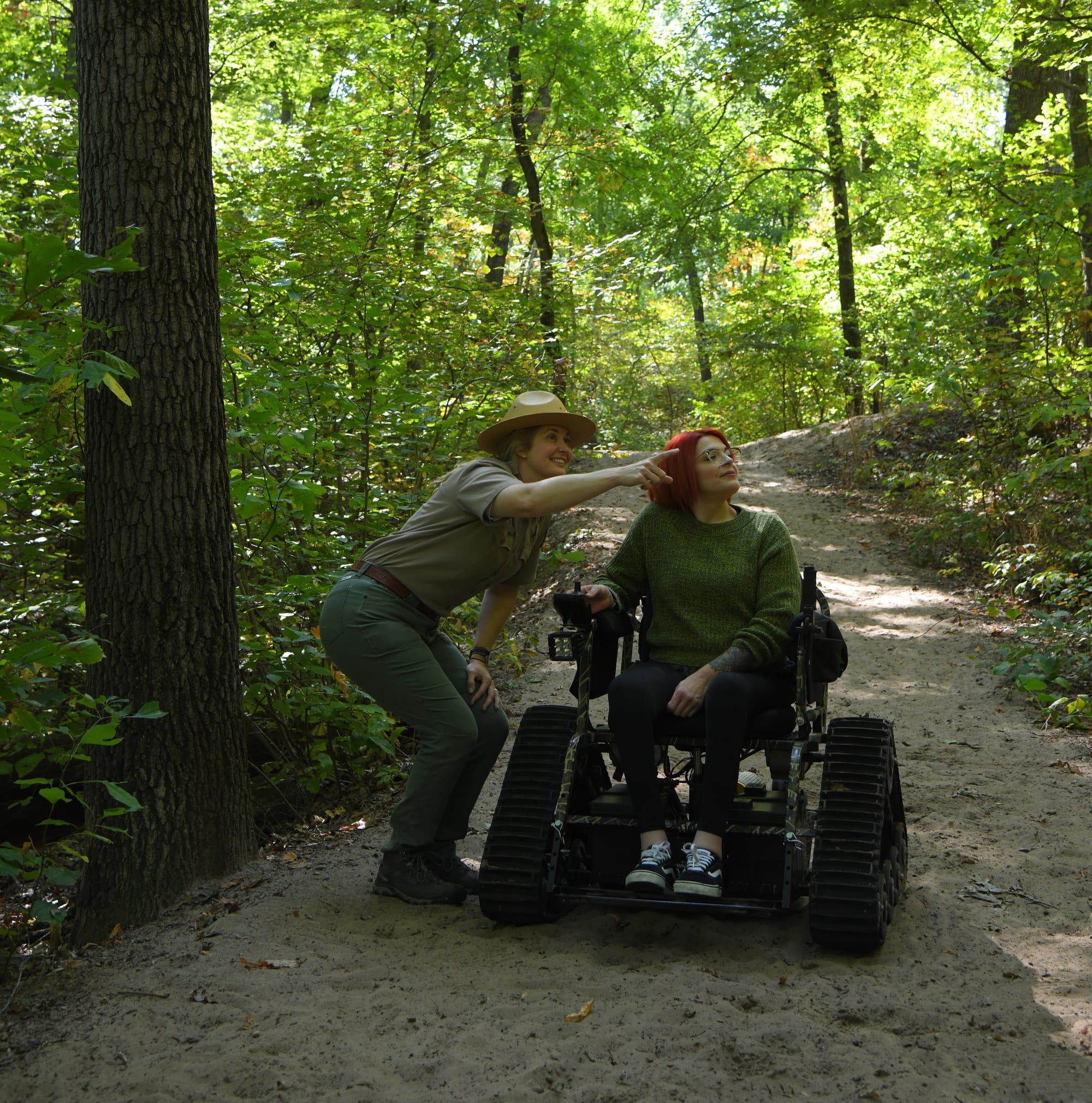
Durkin-Blackburn points to three terms used in accessibility, which she shares with parks and public lands clients.
“First is one that meets minimum standards under the Americans with Disabilities Act (ADA). But we like to go beyond the minimum,” she says. The next stage is universal design, which means all things are designed in a way that everyone can use or experience them. Finally, there is inclusive design, “where you design multiple options into a space so that people have choices about which option would work best for them,” she says.
Betsy Lynn, the accessibility manager of The Children’s Museum of Indianapolis, works with the museum’s design team and multiple groups to ensure exhibits include all children. For example, while developing the lower-level Dinosphere exhibit, she worked with students from the Indiana School for the Blind. The handrail going down the ramp has a texture that runs 65 feet, the length of a sauropod dinosaur, so low-vision or blind visitors can comprehend the size of the real dinosaur fossils on display.
More than 200 “accessibility advisory families” help with specific design questions, Lynn says. Families can sign up “if they want to be a part of that group to receive information from us or also be asked periodically to come in and give us feedback on an exhibit element that we need help trying to understand how to make particularly accessible.”
From museums to parks to historic buildings, Hoosier hospitality shines this summer for visitors with special needs. You just need to ask what works for you. Here’s a short list of some accessible attractions throughout the state. Check listings for hours and fees.
1. Accessible state parks, throughout Indiana
www.in.gov/dnr/places-to-go/accessibility
Best for: All ages
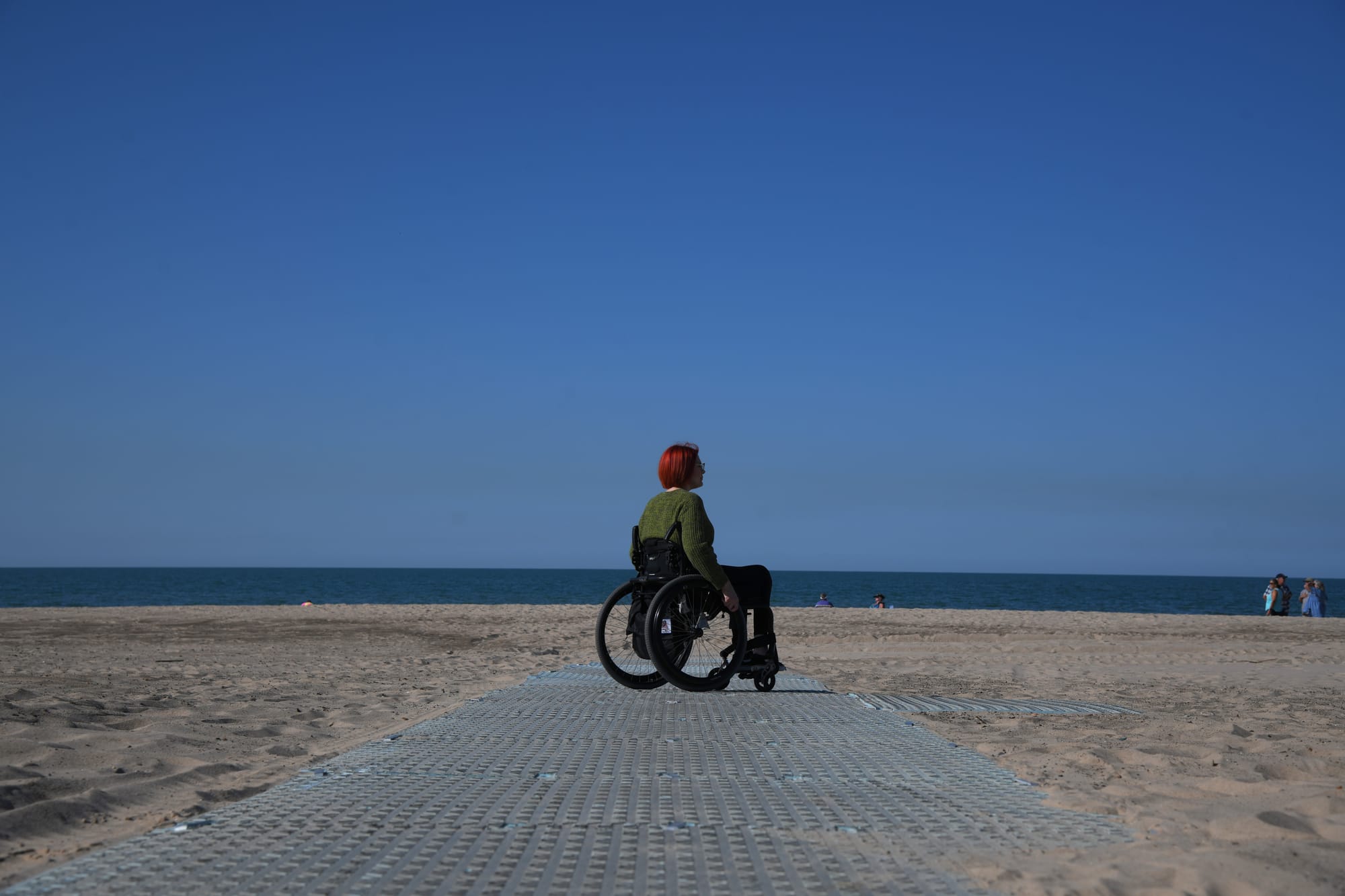
All state parks now have motorized wheelchairs, and some have all-terrain ones that can tackle a few trails on the property. Check out a park near you from the website above. The state parks also feature accessible locations for fishing, hunting, wildlife viewing, and beaches and swimming, a great way to get out in nature.
2. The Children’s Museum of Indianapolis, 3000 N Meridian Street, Indianapolis
www.childrensmuseum.org/stories/accessibility-services-at-tcm
Best for: Families
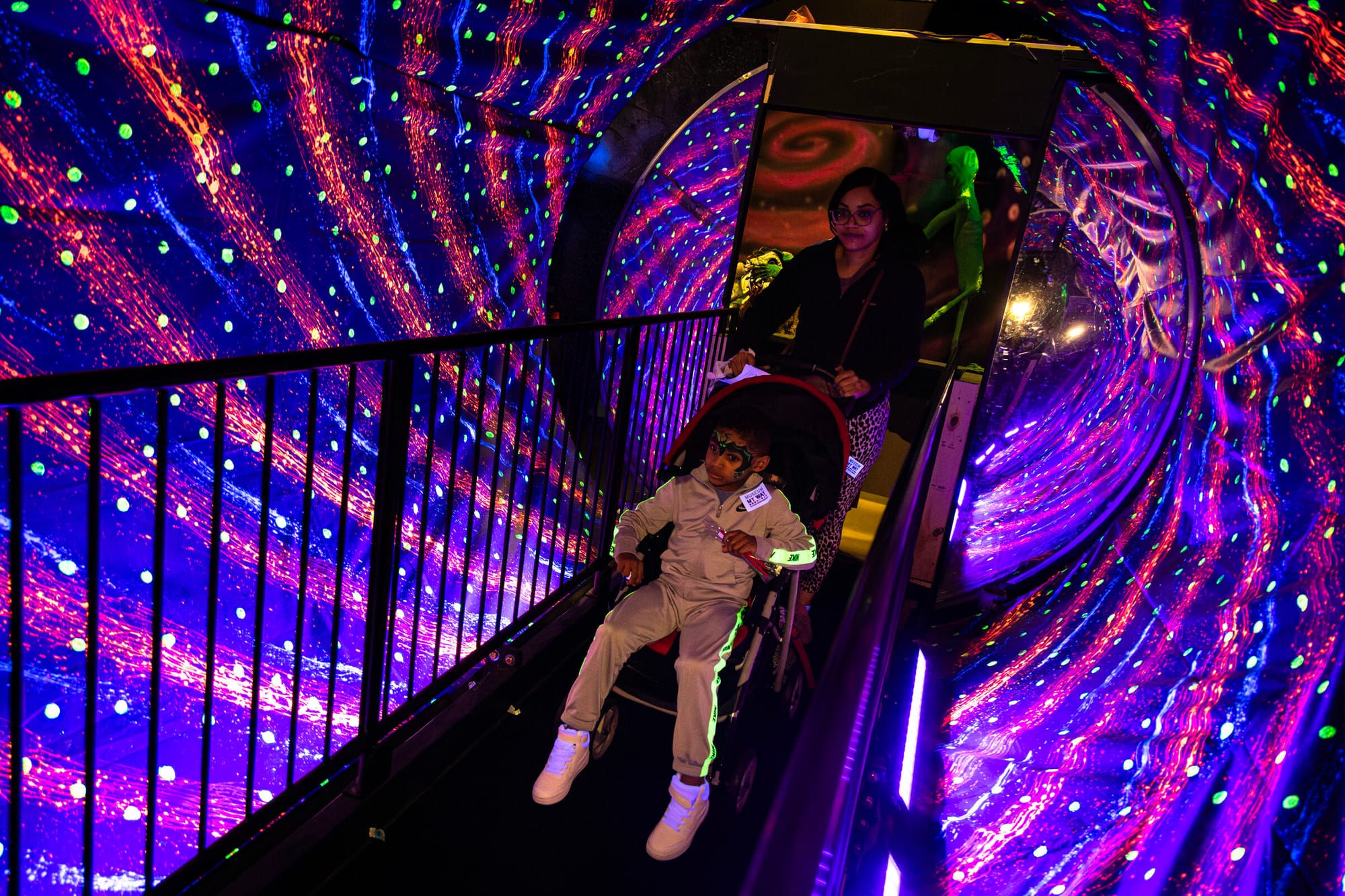
The Children’s Museum of Indianapolis, the world’s largest children’s museum, has been accommodating visitors with disabilities for many years. The Riley Children’s Health Sports Legends Experience area offers sports balls with bells for visually impaired kids to use in basketball, soccer, or tennis and other adaptive equipment, including hand cycles that attach to wheelchairs to use on the Oval Track. The museum offers fidget toys and headphones, and a sensory map and social narrative, as well as a visual checklist online. It features a dedicated “Take A Break Space” where families can retreat from the hubbub of the crowd.
3. Patoka Lake area Old Homestead Distillery, 2730 Station Drive, Birdseye
Best for: Adults over 21
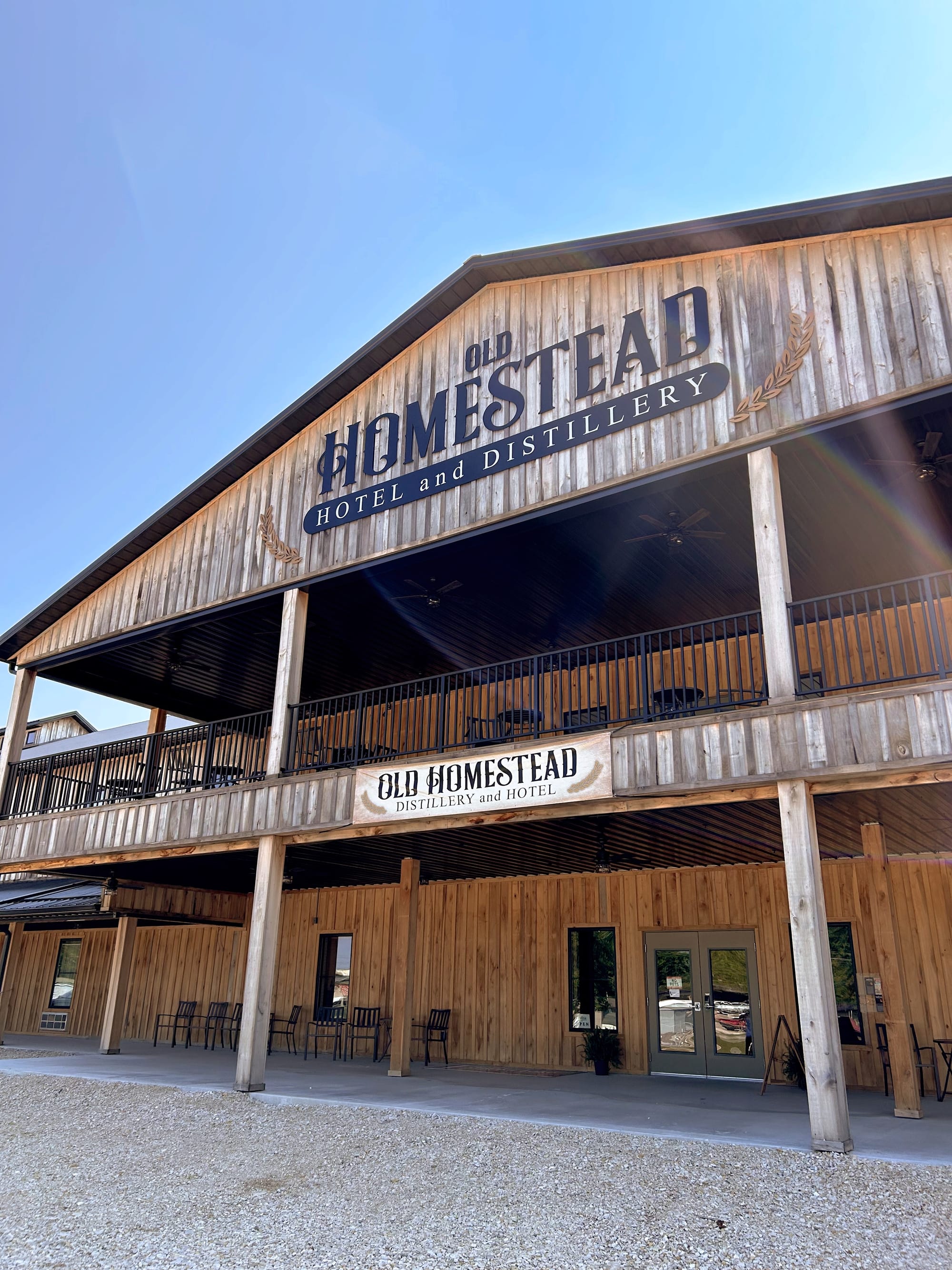
Old Homestead Distilling Company pot still distillery features spirits made from Indiana corn and sunflower seeds. Enjoy $10 tastings, or a spirit slushie. There’s also a walk-in humidor. These attractions are all on ground level, accessible for wheelchair guests. Modern motel rooms available on ground level offer walk-in showers and are ADA compliant.
4. Eiteljorg Museum of American Indians and Western Art, 500 West Washington Street, Indianapolis
www.eiteljorg.org/policies/accessibility-services
Best for: Adults and older children
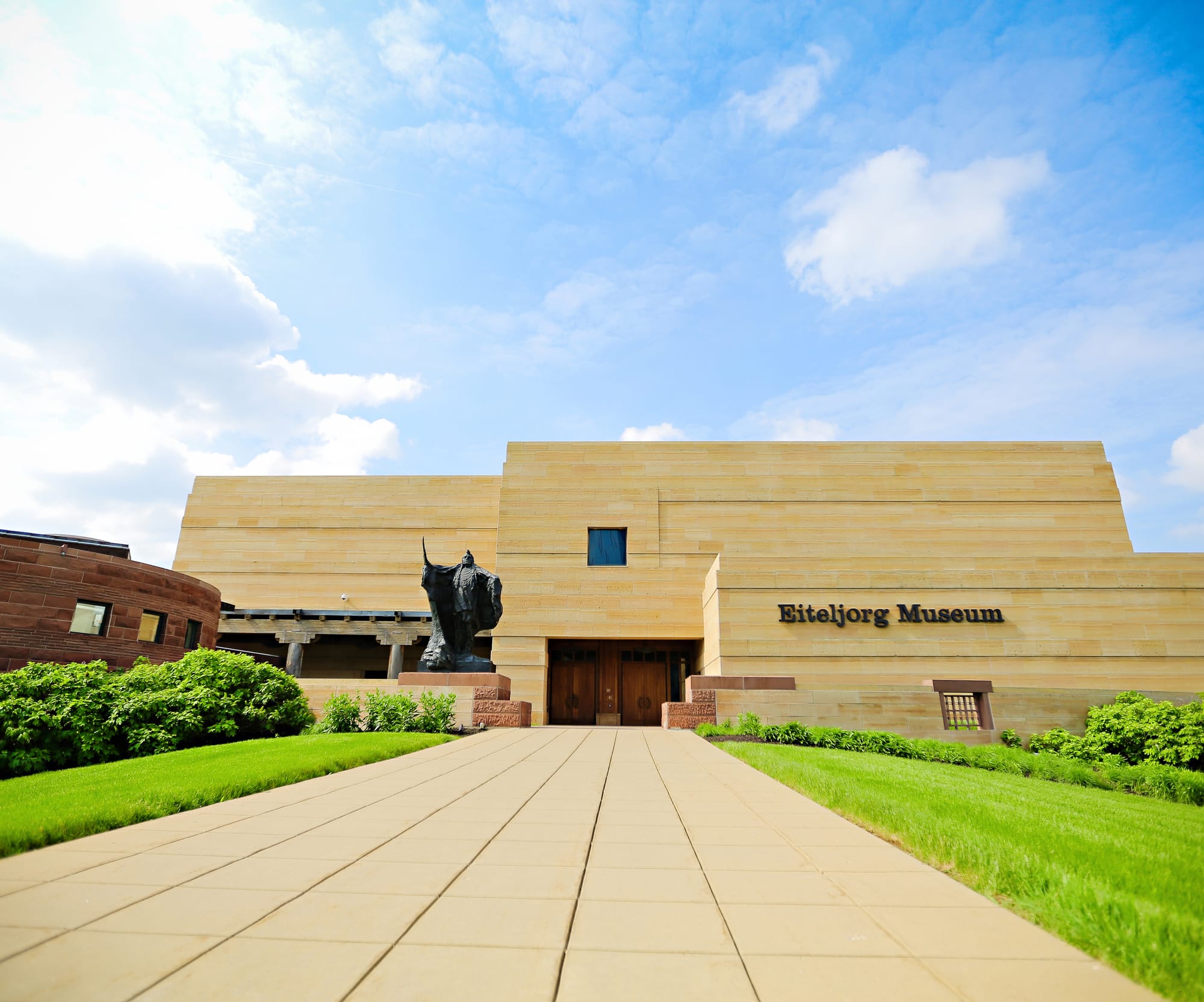
This museum of American Indians and Western Art has three floors of exhibits, and often hosts special events, such as the Indian Market and Festival June 27-28 this year. Free accessible parking, free use of manual wheelchairs (check for availability in advance), and elevators for all floors are ADA accessible. There is also a quiet sensory space in the canal level family area.
5. Murphy Aquatic Park, 753 South County Road 625 East, Avon
www.washingtontwpparks.org/murphy-aquatic-park
Best for: All ages
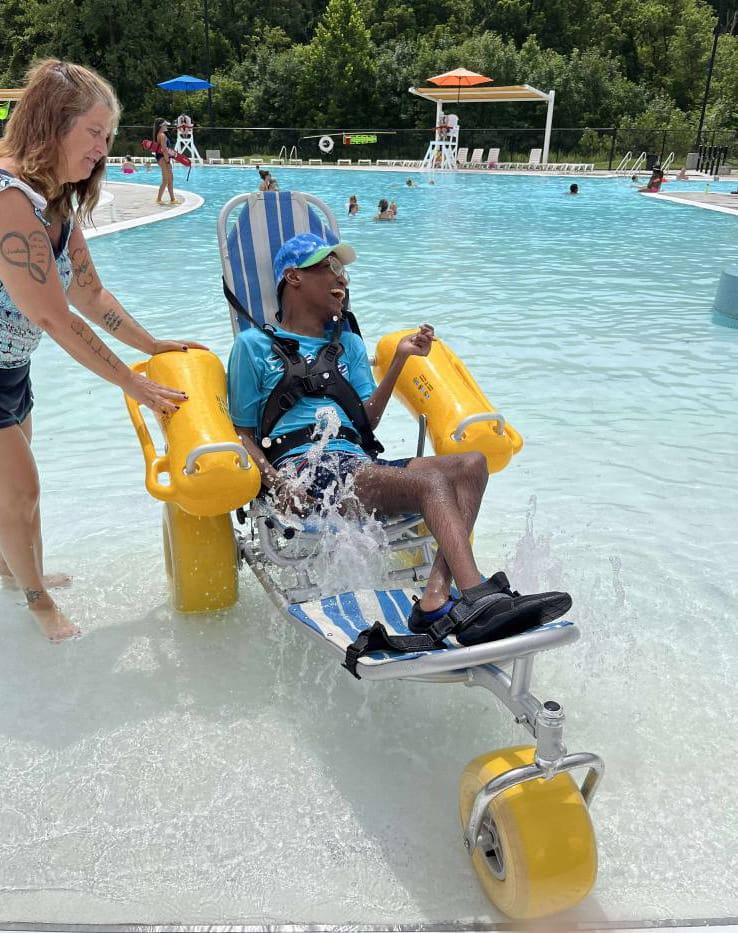
Murphy Aquatic Park is central Indiana’s only aquatic park and wave pool that is completely ADA accessible. Its many features include water slides, a wave pool, a toddler zone, and cabana rentals. Scheduled sensory swims allow for a quieter experience, when the wave pool is turned off, and other areas are half-capacity. You need to sign up in advance for the sensory swim.
6. CANDLES Holocaust Museum and Education Center, 1532 S 3rd Street, Terre Haute
www.candlesholocaustmuseum.org
Best for: Adults and older teens due to sensitive nature of some exhibits
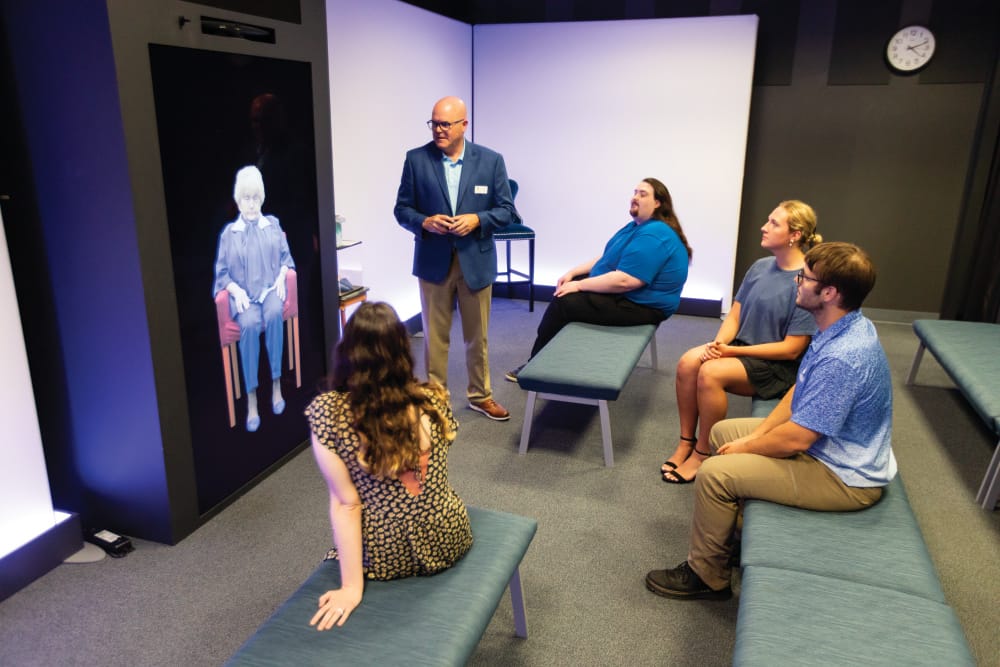
Indiana’s only Holocaust museum was opened in 1995 by Eva Moses Kor, who was sent to Auschwitz concentration camp as a child with her twin sister. Her mission was to prevent prejudice and hatred through education about the Holocaust, in which six million Jews were murdered by the Nazis. The facility is all on one floor, making it easy for wheelchair access, and sound exhibits are closed captioned.
7. Grouseland, William Henry Harrison’s Mansion & Museum, 3 West Scott Street, Vincennes
Best for: Adults and older children
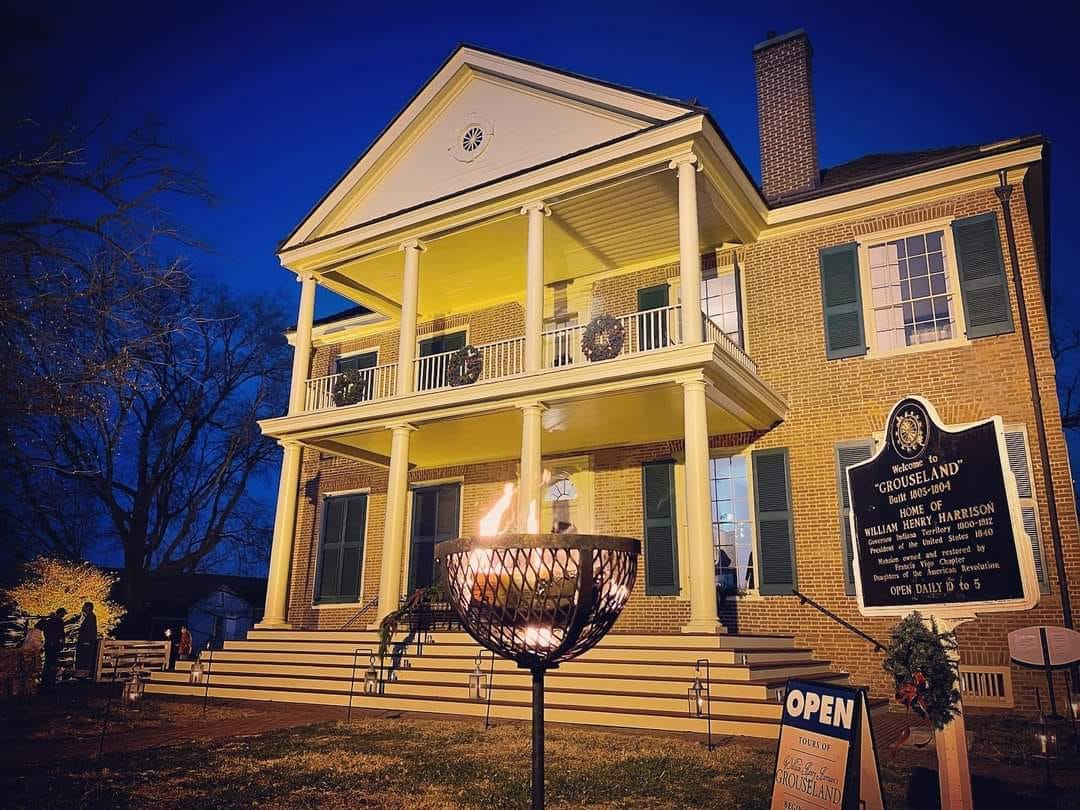
Considered one of the top historic homes in Indiana, Grouseland is preserved and restored as Harrison’s home from 1800-1812. Family members owned the home until approximately 1850. The museum features an impressive collection of art, furniture, and memorabilia. The first floor of the home is wheelchair accessible by a recently installed wheelchair lift.
8. Monon South Trail, Lawrence, Orange, Washington Counties
www.mononsouth.com/about-trail-segments
Best for: All ages
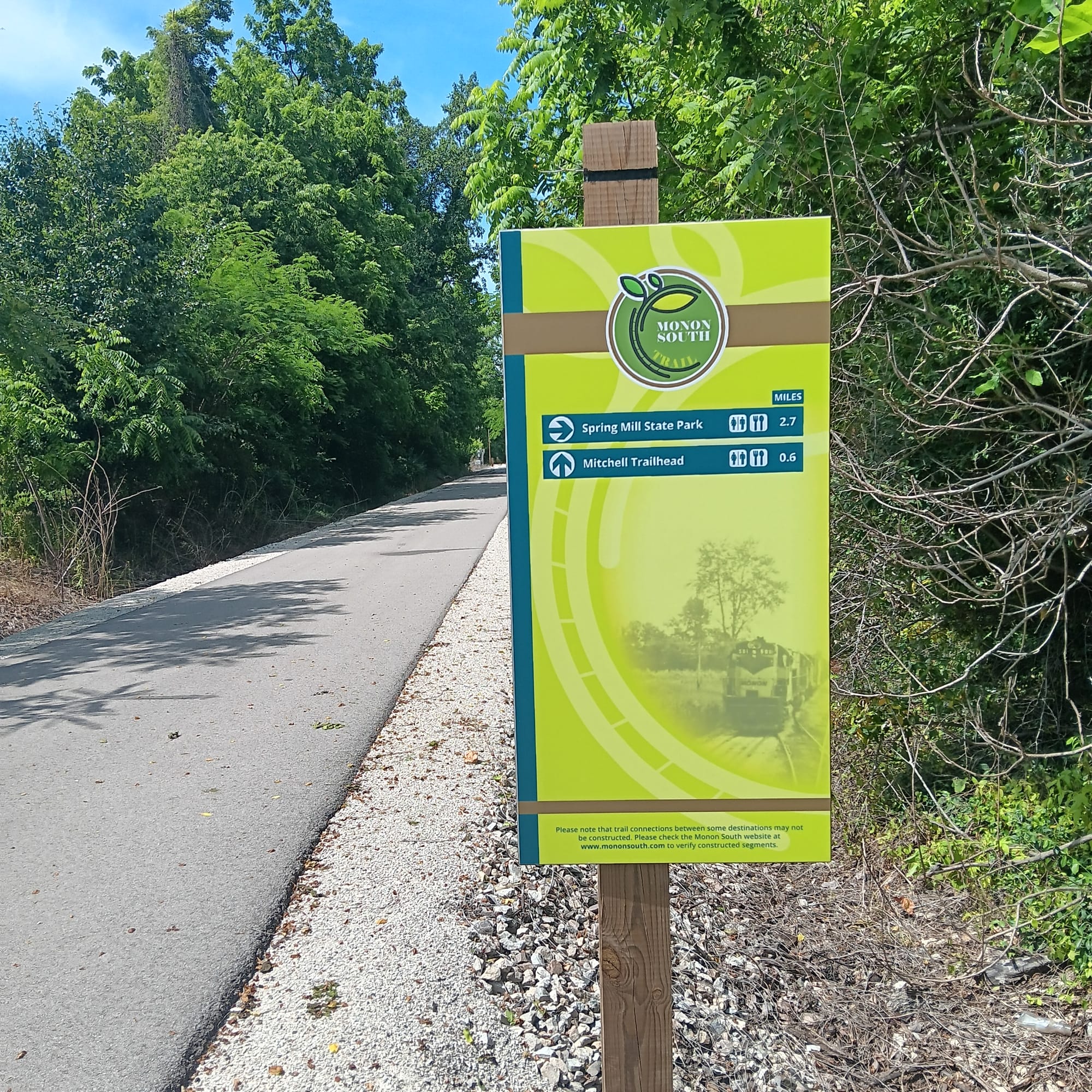
The Monon Railroad ran from the 1890s into the 1970s from Chicago through Indianapolis and on to Louisville. The Indianapolis area trail is complete and runs from north of Westfield through downtown Indy. Most of the rail-to-trail paths are wheelchair and stroller accessible, and construction is now underway through 57 miles of the southern Indiana uplands area, from Mitchell to Borden, to expand the trail. See website for specific trail segments and progress.
9. Columbus Architecture Tours, 506 Fifth Street, Columbus
www.comeseecolumbus.com/art-architecture/architecture-tours
Best for: Adults and older children
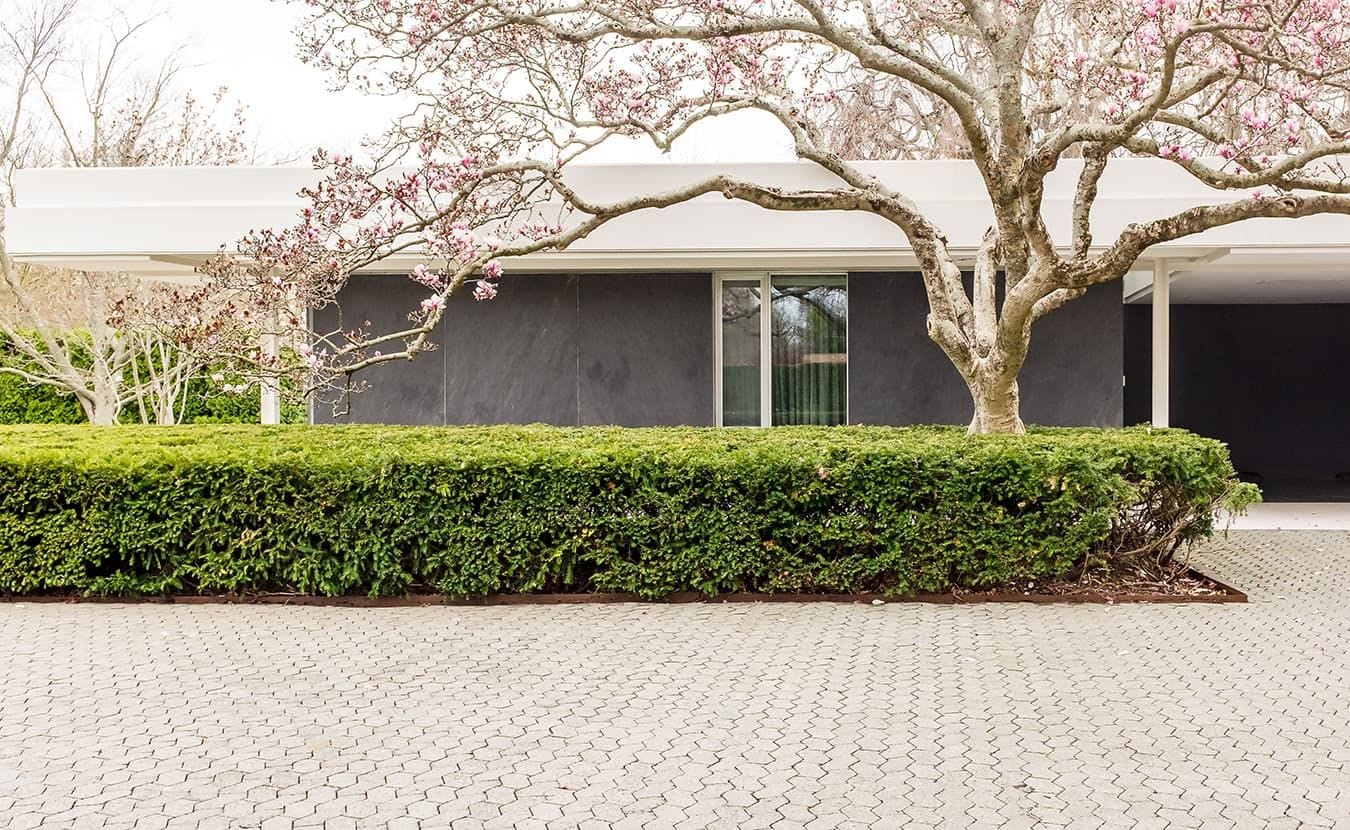
The city of Columbus is well known for its more than 90 buildings and public art designed by famous architects such as Eero Saarinen and I.M. Pei. Guided architecture tours, including highlights of the various iconic buildings, as well as the national historic landmark Miller House and gardens, are offered year round. Visitors can also take self-guided walking tours along city streets. Wheelchair accessible tours are available by calling two weeks in advance to 812-378-2622.
10. Quilt Gardens along the Heritage Trail, 3421 Cassopolis Street, Elkhart
Best for: All ages
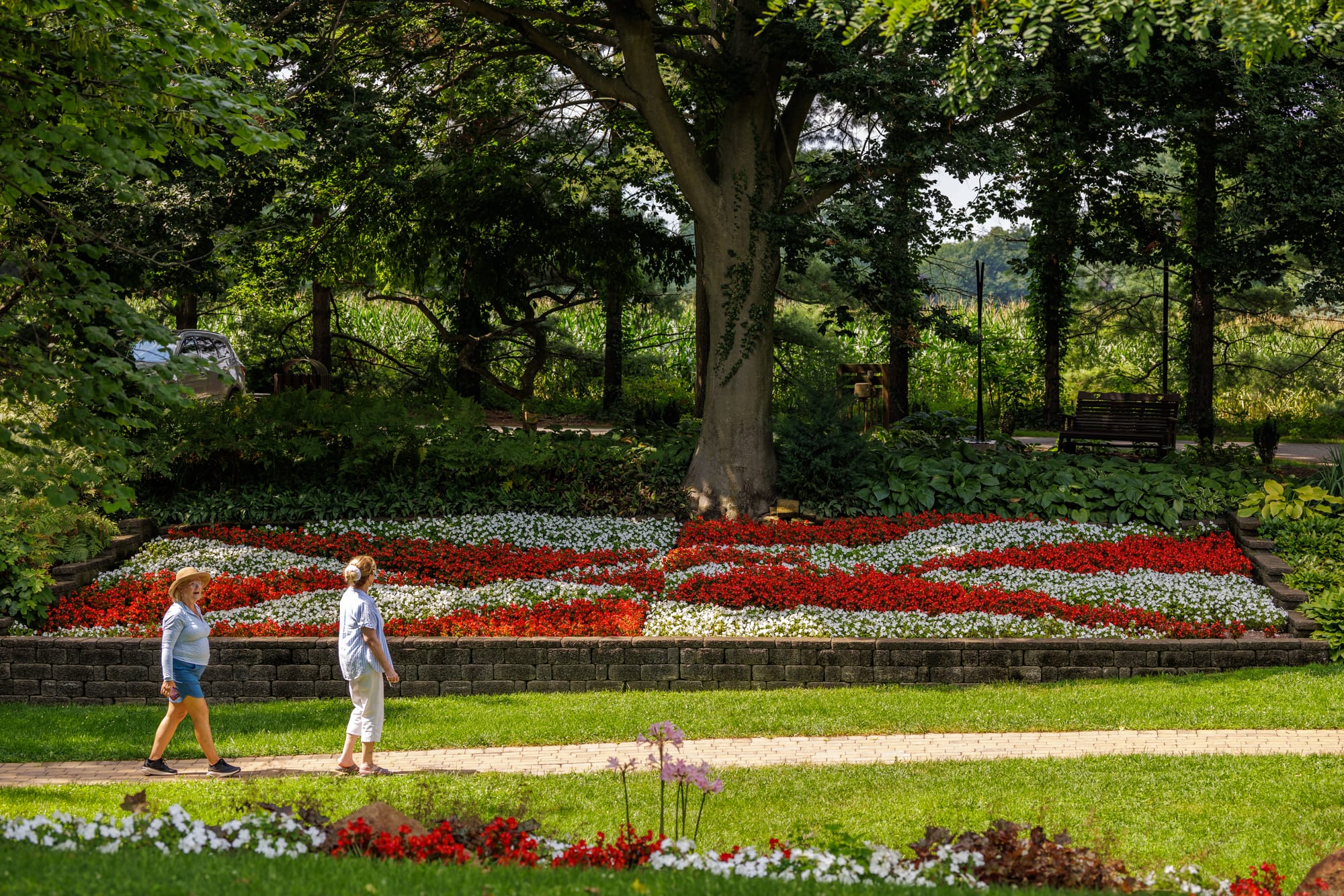
Located in the heart of Amish country, where hand-made quilts are a local specialty, the Heritage Trail in Elkhart county includes 17 garden stops featuring more than a million flowers blooming in giant quilt patterns, each a unique design. While not all gardens are easy to navigate in a wheelchair due to grass surrounds, some do have pavers around them. You can take a free audio driving tour that provides fun facts and history, available at the visitor center listed above, or access an online map with GPS directions. The gardens are open May 30 through September 15.
11. Corydon State Capitol, 203 East Walnut Street, Corydon
www.indianamuseum.org/historic-sites/corydon-capitol-historic-site
Best for: Families, school-age children and older
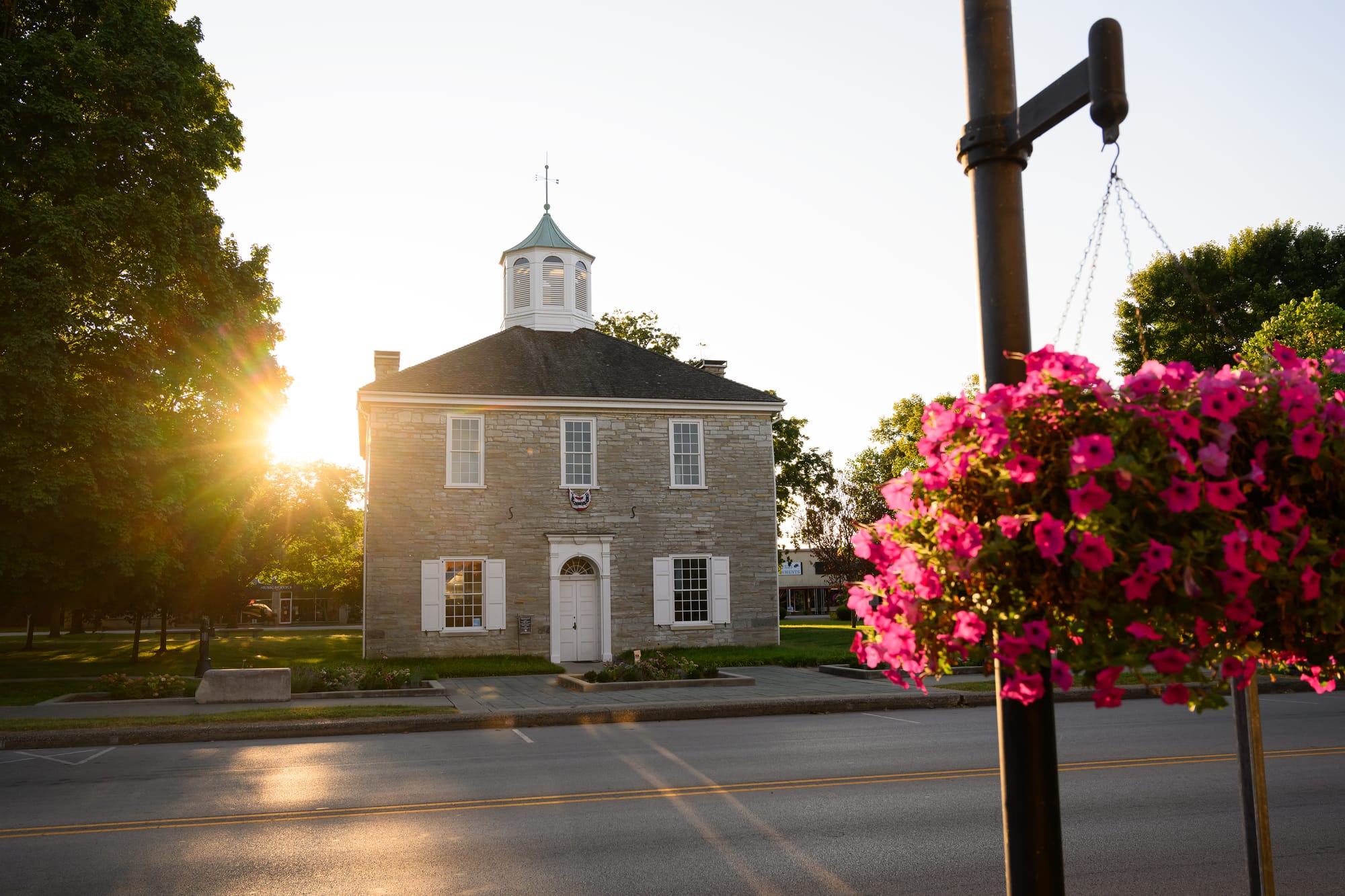
The square, Federal-style Capitol building, built between 1814 and 1816, is in downtown Corydon. Its 40-foot square walls are locally quarried limestone, with virgin forest logs for the ceiling and roof supports. Accessible, interpreter-led tours include the first floor of the building, with visual aids and descriptions of the second floor of the Capitol. Printed materials describe the history, function, and importance of each room, and highlight artifacts. Denver Bays, southeast regional program manager, says the accessible tours also include the Governor’s Mansion and Porter Law Office. Auditory tours also are available. And from June 10 through July 5, visitors can see the original 1816 Indiana Constitution that was signed at the Capitol, on loan from the Indiana Archives and Records Administration.
12. Possibility Playground, Haywood Nature Reserve, 755 IN-135, Corydon
www.thisisindiana.org/directory/possibility-playground
Best for: Children of all ages
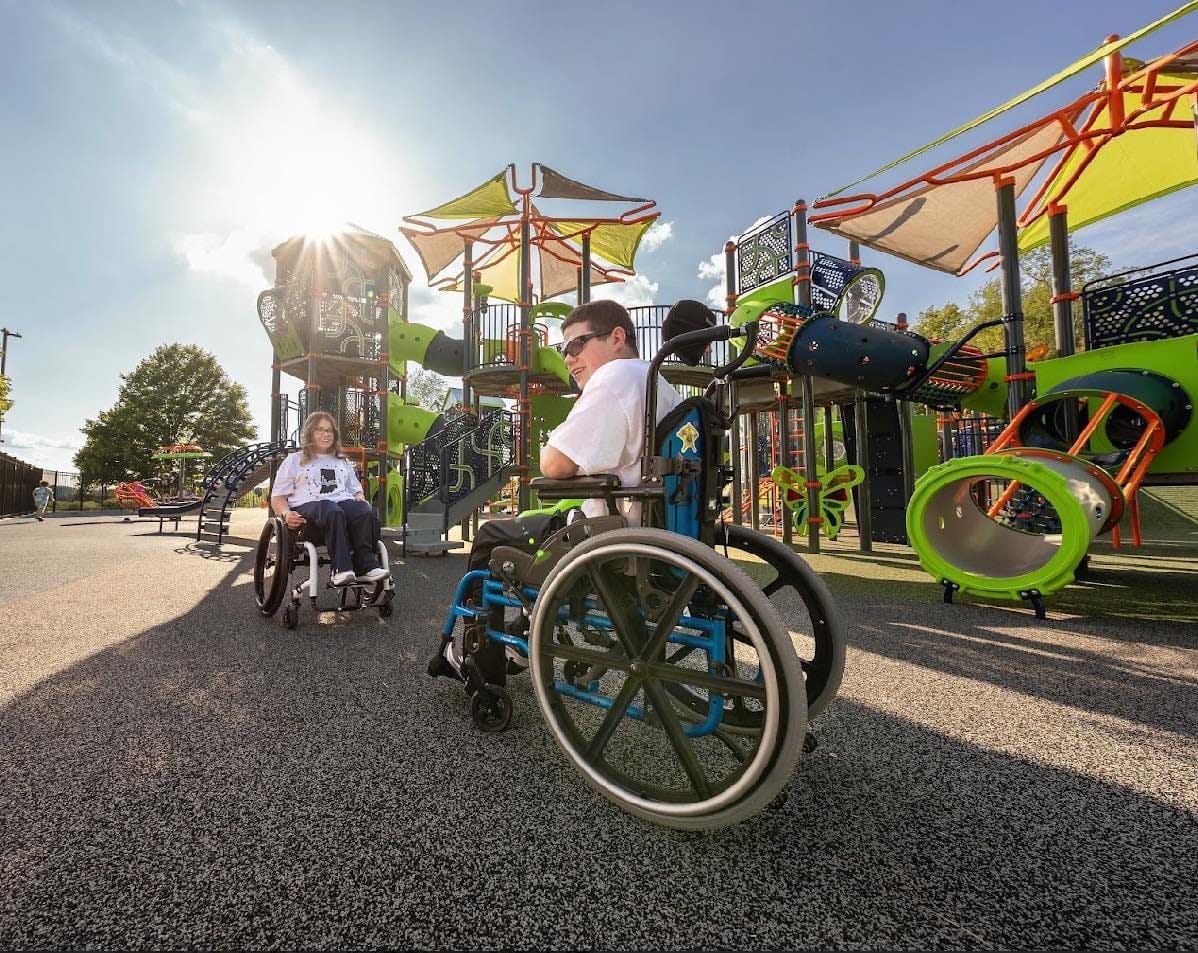
Slides, swings, and climbing structures, as well as ground-level components, are designed to be accessible to all children, including those with visual, hearing, or mobility issues. The surfaces are smooth and firm, with ramps to ease use of wheelchairs and walkers. Open sightlines help caregivers keep an eye on children and allow for sign language to be seen. The playground features visual, tactile, and movement-based play.
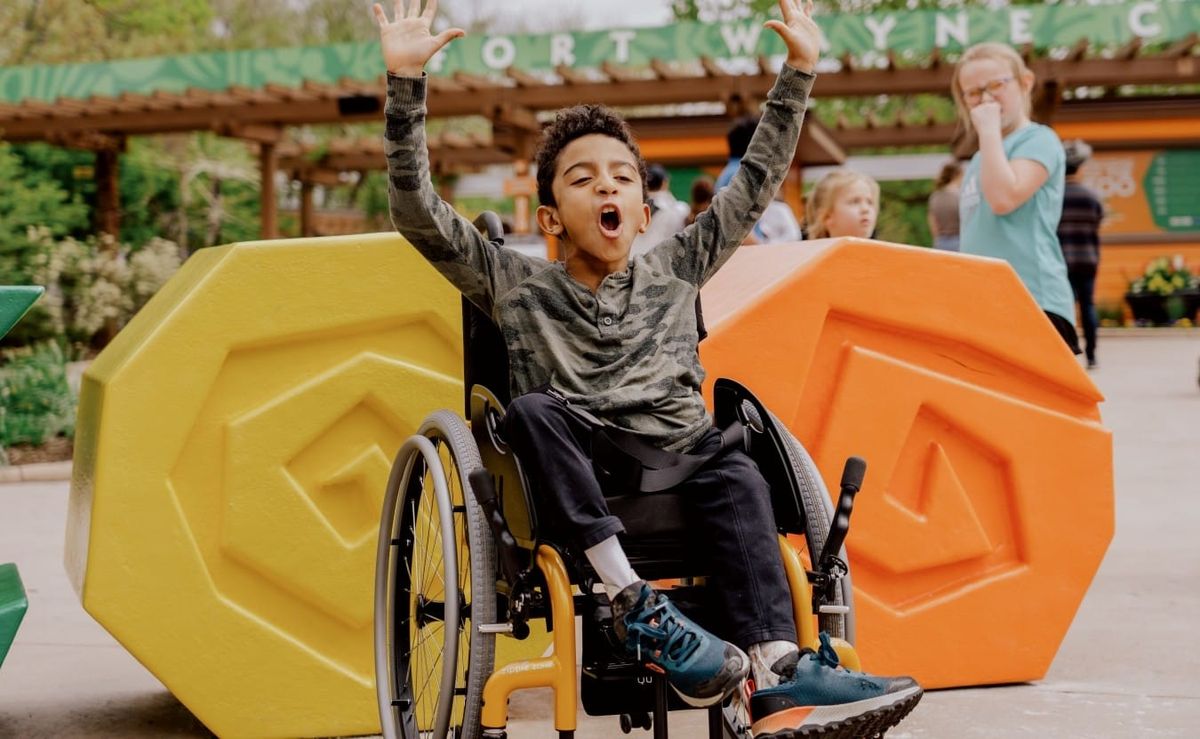
13. Fort Wayne Zoo, 3411 Sherman Boulevard, Fort Wayne
Best for: All ages and families
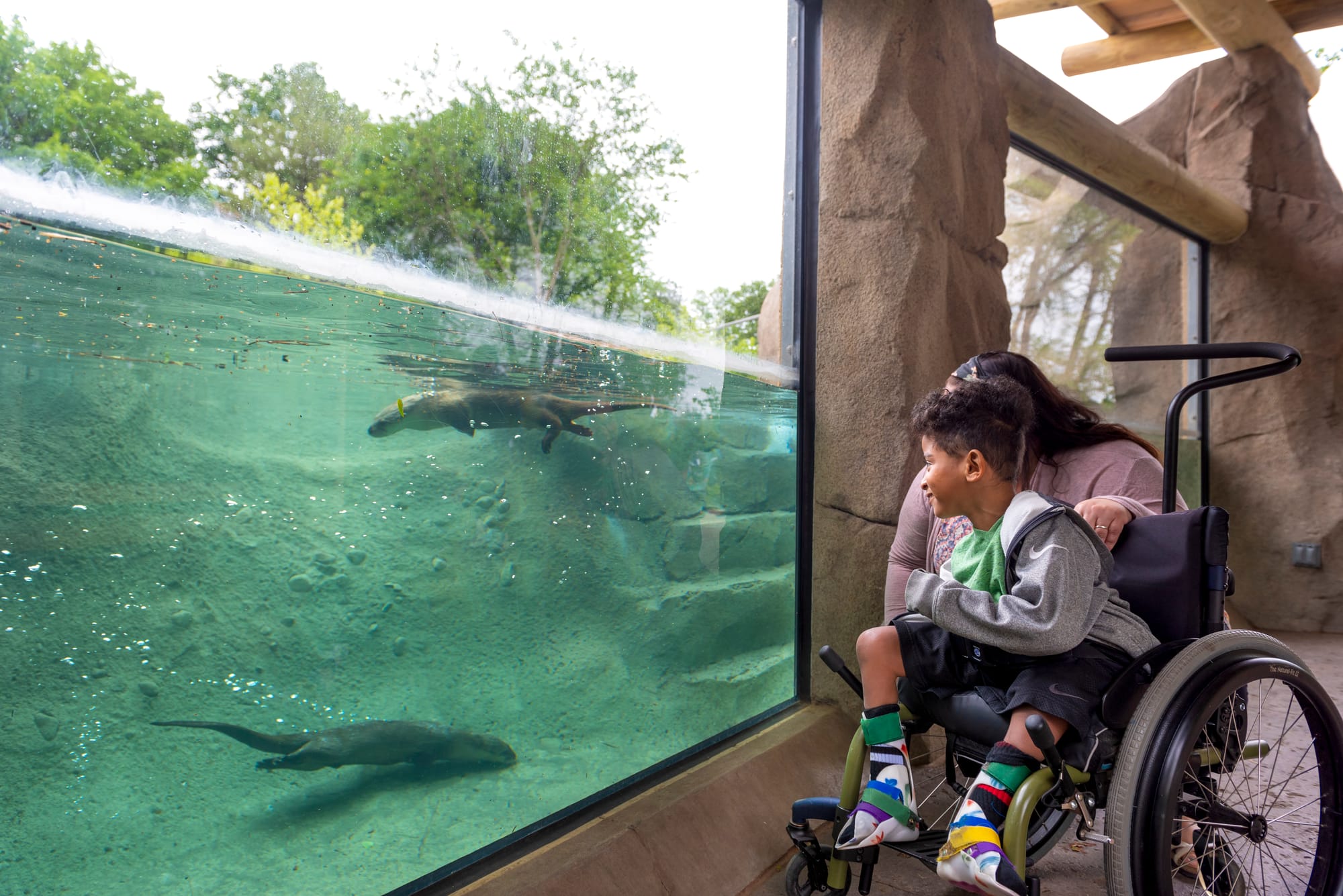
The Fort Wayne Zoo earned the Certified Autism Center™ (CAC) designation in 2025, which includes autism-specific training to enhance service and equip staff to assist autistic and sensory-sensitive individuals. The zoo also updated two rides to be wheelchair accessible and offers Sensory-Friendly Sundays on the first Sunday of each month. Get even more details on accessibility at the zoo at www.fwzoo.com/accessibility.
Laurie D. Borman
Laurie D. Borman is a central Indiana writer and editor. A former travel magazine editor and past president of the Society of American Travel Writers, she taught magazine reporting at IU. She moved from Chicago to Indiana for the hills and hiking.