
Indiana Hospitals Cut Services, Form Alliances to Continue Patient Care
Rural hospitals are at risk of closure due to health care cuts.

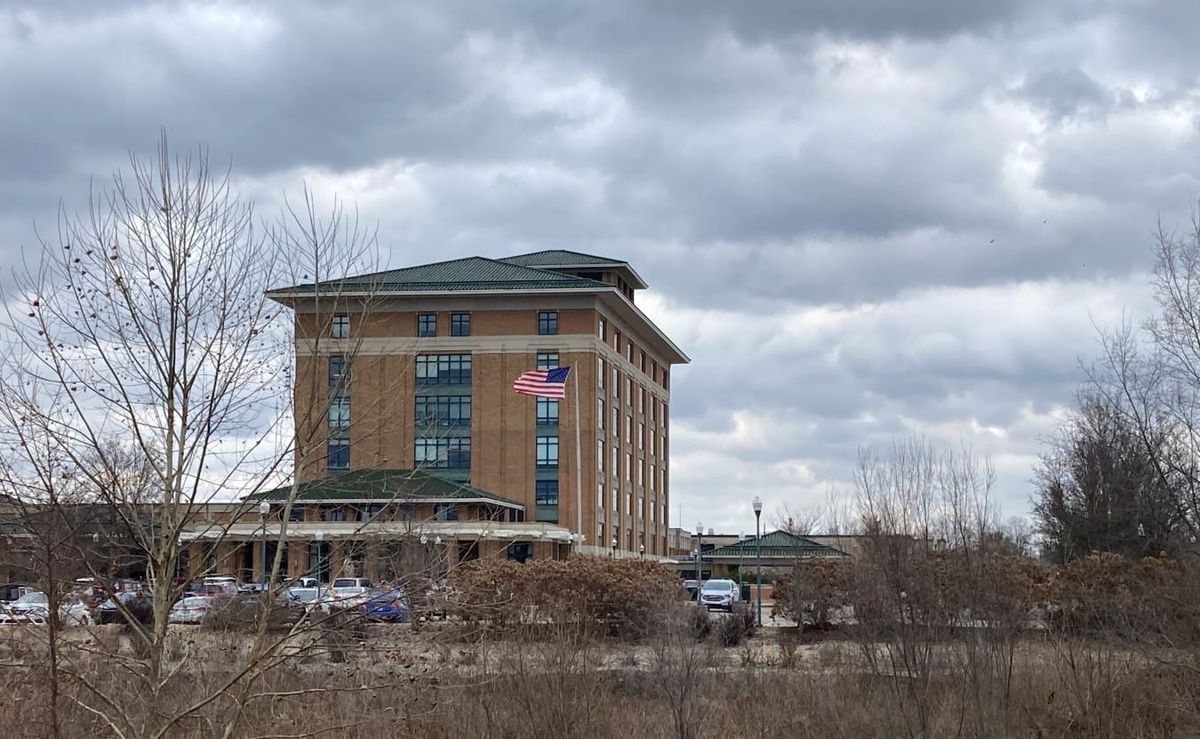
Times are hard for Hoosier hospitals. Since 2025, 13 facilities in as many counties around the state have announced service reductions or partnerships with larger organizations.
Harrison County Hospital, Columbus Regional Health, Daviess Community Hospital, Greene County General Hospital, Radiant Behavioral Health, Johnson County Memorial Hospital, and St. Elizabeth Dearborn Hospital have ended various services. Memorial Hospital and Health Care Center, Logansport Memorial Hospital, Riverview Health, Terre Haute Regional Hospital, Witham Health Services and Goshen Health have formed alliances with other health care systems.
And according to recent national data from the Cecil G. Sheps Center for Health Services Research at the University of North Carolina, two of those hospitals were among 12 Indiana facilities and nearly 340 U.S. hospitals deemed at-risk of service cuts, conversion to clinics or standalone emergency centers, or closure.
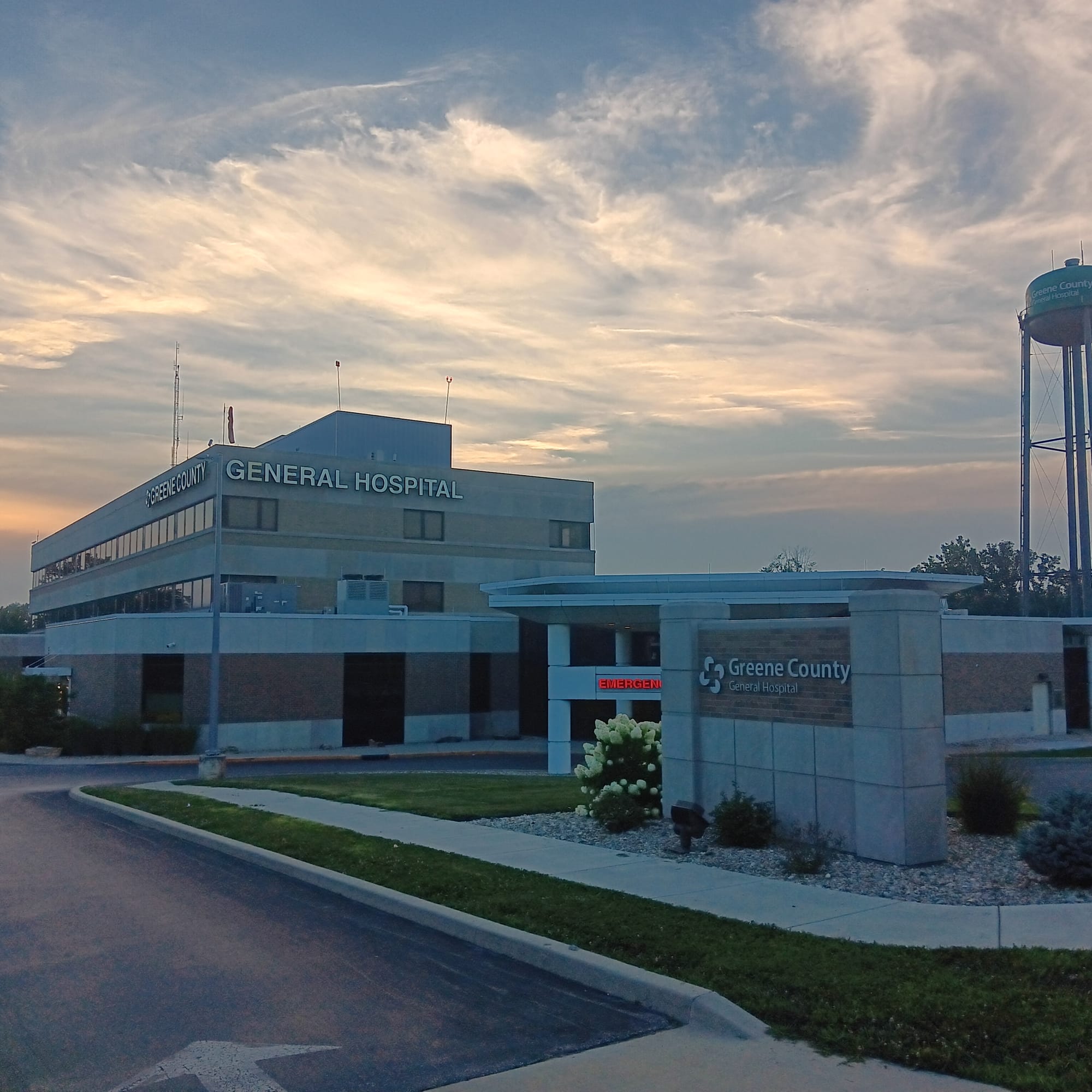
Harrison County Hospital and Daviess Community Hospital met one or both of two financial criteria: being in the top 10% Medicaid payer mix of rural hospitals nationwide and/or having three consecutive years of negative total margin.
The Sheps Center report cited provisions in what would become H.R. 1, or the One Big Beautiful Bill Act, in July 2025 as the catalyst for the endangered facility list. In a letter to President Donald Trump, Senate Majority Leader John Thune, and House Speaker Mike Johnson, Democratic lawmakers contended rural hospitals were already struggling, with 50 fewer facilities in 2023 than in 2017, resulting in the loss of health care access and jobs.
“Enacting these drastic health care cuts … rural hospitals will not get paid for the services they are required by law to provide to patients,” they said. “Rural hospitals will face deeper financial strain that could lead to negative health outcomes for the communities they serve.”
Because of Medicaid changes in H.R. 1 and Indiana’s SEA 1 (Senate Enrolled Act 1), nearly 400,000 Hoosiers are expected to lose their coverage by 2034, according to the southern Indiana community organization Hoosier Action. As the number of uninsured residents increases, uncompensated care will rise, putting greater pressure on hospitals that have been dealing with financial hardship for years.
“[Government underpayment and other reimbursement challenges have] led some hospitals to make those difficult decisions,” said Steve Cooke, senior director of public relations at the Indiana Hospital Association. “Whether it’s to reduce services or to close altogether, or in some cases, they’ve been able to partner with other health systems so that they can remain viable in their community.”

In addition, 70 Hoosier hospitals delivered more than $717 million in care in 2025 that went unpaid by insurers due to delays or denied payments, according to the latest Indiana Payor Scorecard produced by Kodiak Solutions. If the dataset included all facilities in the state, the IHA projects total unpaid care at hospitals would exceed $1.6 billion.
“The findings reveal a widening gap between what insurers collect from patients and employers, and what hospitals are ultimately paid for care delivered,” the IHA said in a news release.
Approaching a breaking point
Indiana hospital margins are already below national norms, according to the IHA. In 2025, Hoosier facilities reported a median operating margin of 1.9% through August, compared to the national median of 2.6%. State hospital operating income fell by 5.5%, or nearly $50 million last year.
“These findings make clear that Indiana hospitals are approaching a breaking point,” IHA President Scott B. Tittle said in a news release. “With the eighth lowest Medicaid reimbursement rates in the nation and rapidly rising costs, hospitals simply do not have the tools they need to continue providing the level of care Hoosiers deserve.”

Indiana hospitals are also making operational changes because of low demand for certain services. Harrison County Hospital, Greene County General Hospital, and Johnson County Memorial Hospital announced obstetrics closures in 2025 and 2026, bringing the total to 16 obstetrics facilities closed in the state since 2020. St. Elizabeth Dearborn Hospital in Lawrenceburg closed its birthing center in 2023 due to a decline in births.
“Historically in health care, community hospitals, we wanted to be everything for everyone,” said Angela Roberts, St. Elizabeth Dearborn’s chief nursing officer and site administrator. “However, with the financial environment and things changing, and you’re trying to run more efficiently, and you have technology and supplies that cost so much more, wages are so much higher, it’s becoming more challenging.”
In 2026, St. Elizabeth Dearborn shut down its intensive care unit and shuttered overnight surgeries because the amount of patients didn’t justify 24/7 staffing.
“Becoming part of St. Elizabeth in 2020, they have very high-tech intensive care units in Kentucky. So we were starting to transfer patients over there,” Roberts said. “In 2025, we did a total of six overnight surgeries. And we did a total of six in 2024.”

Besides the cost of staffing, the hospital also faced expenses related to maintaining the skills of employees working in low-volume units.
“We want to keep the competencies up, and we want to make sure they’re at the top of their line. So then you have to take that into account,” Roberts said.
Patient, employee impact
For Hoosier patients, losing access to specialty care at a nearby hospital can turn a quick trip across town into a trek to another county.
In 2025, Columbus Regional Health closed its inpatient rehabilitation unit, outpatient practice, and orthopedics and sports medicine. The hospital also shuttered its athletic trainer program at Indiana University-Columbus and two school corporations. IU Columbus Head Athletic Trainer Tim Lappin, whose contract was taken over by IU Health, said being able to work with a local entity was helpful.
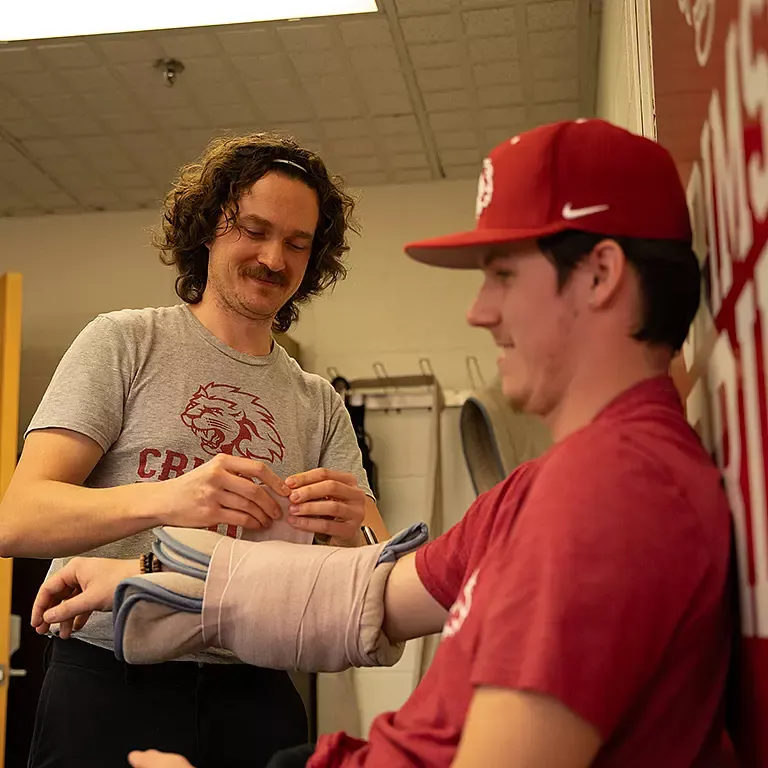
“If I needed an athlete to be seen by one of the providers in the orthopedic office, they were five minutes down the street,” he said. “Now I have to send my athletes over to Bloomington. That’s about an hour drive.”
Concussions add logistical difficulty to sports medicine situations because of the rugged route from Columbus to Bloomington.
“[Patients] can’t make that drive if they’re concussed. We don’t let them make that drive. In those instances, we have to find a friend or a family member or somebody in the department who’s approved to transport athletes. It’s an extra step that we had to implement,” said Lappin.
Though 50 people lost their jobs because of the Columbus Regional Health closures, employees affected by St. Elizabeth Dearborn’s cuts found other work within the hospital system.
“Everyone was offered a position, which I was thrilled about,” said Roberts. “If you’re an ICU nurse, you usually want to stay in the ICU. And we were able to hold enough positions that they were able to transition over.”
Patients needing critical care or overnight surgery at St. Elizabeth Dearborn must now travel 30 minutes to the organization’s facilities in Kentucky.
“We have an ambulance on site, and it’ll take them straight to Edgewood or Florence,” Roberts said.
Future focus
In May, the state of Indiana announced federal approval for updates to the Hospital Assessment Fee (HAF) program and the State Directed Payment (SDP) initiative. The move rewards hospitals that lower commercial costs with increased Medicaid reimbursement.
“This is something that’s happening in about 40 other states. They’ve already taken that step so that they can also address chronic Medicaid underpayment. It’s definitely something that would be a lifeline for Indiana hospitals. But it’s not going to completely close the gap,” said Cooke.
As Hoosier hospitals face $12.7 billion in health care spending cuts over the next ten years due to H.R. 1, Indiana will receive $1 billion from the Rural Health Transformation Program (RHTP) over the next five years. Dr. Lindsay Weaver, Indiana health commissioner, said the purpose of the RHTP is not to fill in financial gaps but to transform the delivery of care to be more sustainable, with 60% of funding going to eight rural regions.

“[The regions] have to address pre- and post-natal care, chronic disease prevention, but also access. Not just health care access, but access to transportation, healthy foods, and whatever else. [They have to] identify what the specific needs are in their community,” she said. “The financial health of the hospitals is part of it, but it is just one part of it.”
The other 40% of RHTP funding will go toward 11 statewide initiatives involving community-based support, use of technology, workforce improvements, and access to life-saving and preventive care.
“While we certainly appreciate that fund and are working with the state on the program, there’s still going to be additional assistance needed,” said Cooke. "We’re still hopeful that other long-term solutions can be found that could help Indiana hospitals sustain the drastic cuts that are coming.”
For now, St. Elizabeth Dearborn is focusing on services the community uses most, with plans to upgrade the emergency department and add a new cardiac CT scanner because of high patient volume in those areas.
“Could we have done this if we were a standalone rural hospital? No. We’re fortunate that we’re part of a large organization that sees how we can consolidate and be a little more efficient,” said Roberts.
The Bloomington Health Foundation is an underwriting partner of Limestone Post. As the local philanthropic expert for improving community health for more than 50 years, Bloomington Health Foundation is expanding its mission to address the most pressing health needs in Bloomington and neighboring communities.
Mitzi S. Morris
Mitzi S. Morris is an independent journalist, content writer, and copywriter currently living in western Kentucky. Mitzi spent 17 years in TV and digital journalism before starting her freelance writing career in 2021. More at www.mitzismorris.com.