Human-Centered Resources Address Mental Health and Substance Use in Unhoused Community
Monroe County organizations provide care to unhoused community.

Mary Morgan, executive director of Heading Home of South Central Indiana, often starts her presentations about the organization’s initiatives to reduce houselessness by asking the audience two questions:
· How many of you know someone who struggles with substance use?
· How many of you know someone who struggles with mental health?
According to Morgan, most hands go up in response to at least one of these questions.
And then a third question:
· How many of you know someone who has been unhoused?
Not as many hands go up, but a powerful realization often overtakes the room: none are too many degrees away from someone experiencing mental health and/or substance issues. However, what many have keeping them in housing is a network of family and friends who can provide support when it comes to physical and mental health care needs or unexpected expenses resulting from medical bills, car repairs, or lost jobs.
Heading Home’s report on the results of its 2025 Unhoused Survey underscores this nuance. Survey respondents’ primary reasons for becoming unhoused span multiple categories that go beyond mental health and substance use issues. According to the report, “it’s often the result of compounding social, economic, and health-related challenges.”
Monroe County has a significant number of organizations and individuals working to provide resources for those in the unhoused community who struggle with these challenges. Heading Home, HealthNet, New Leaf, New Life, and Centerstone’s Stride Mobile Dispatch Team are just some of the local organizations taking innovative, empathetic, and on-the-ground approaches to supporting members of the unhoused community. Their roles are especially critical in the face of new state and federal legislation creating barriers to providing care.
HealthNet
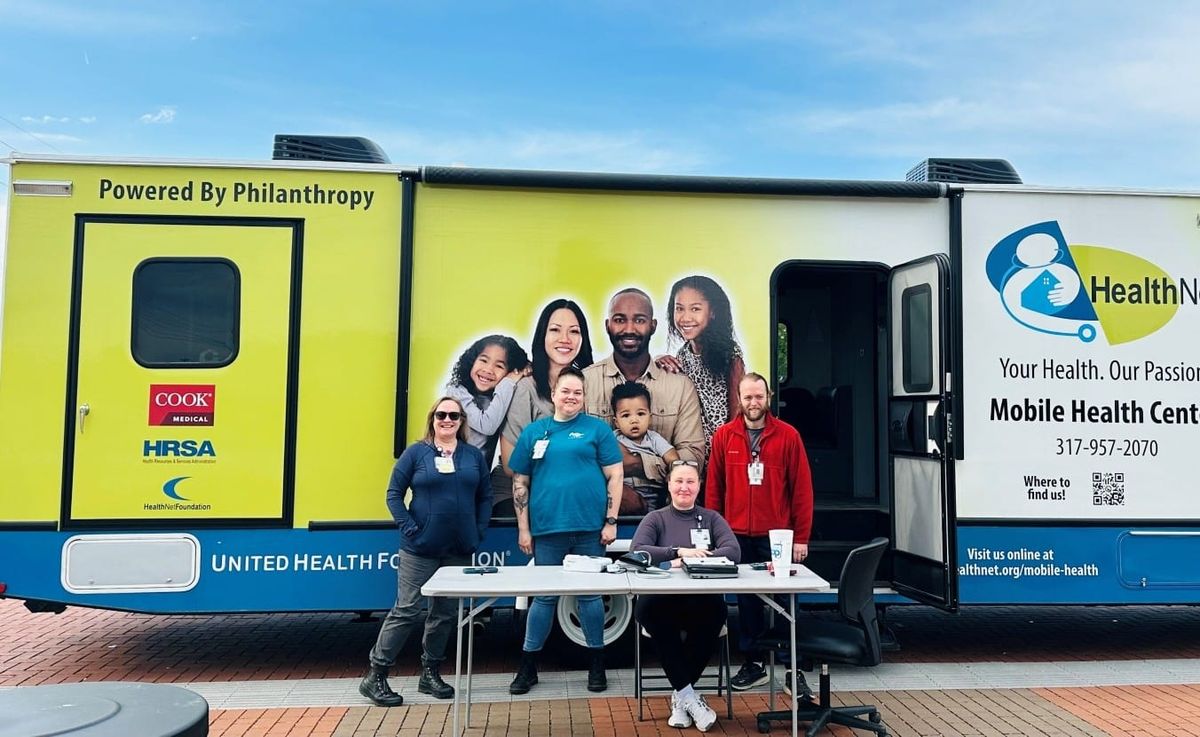
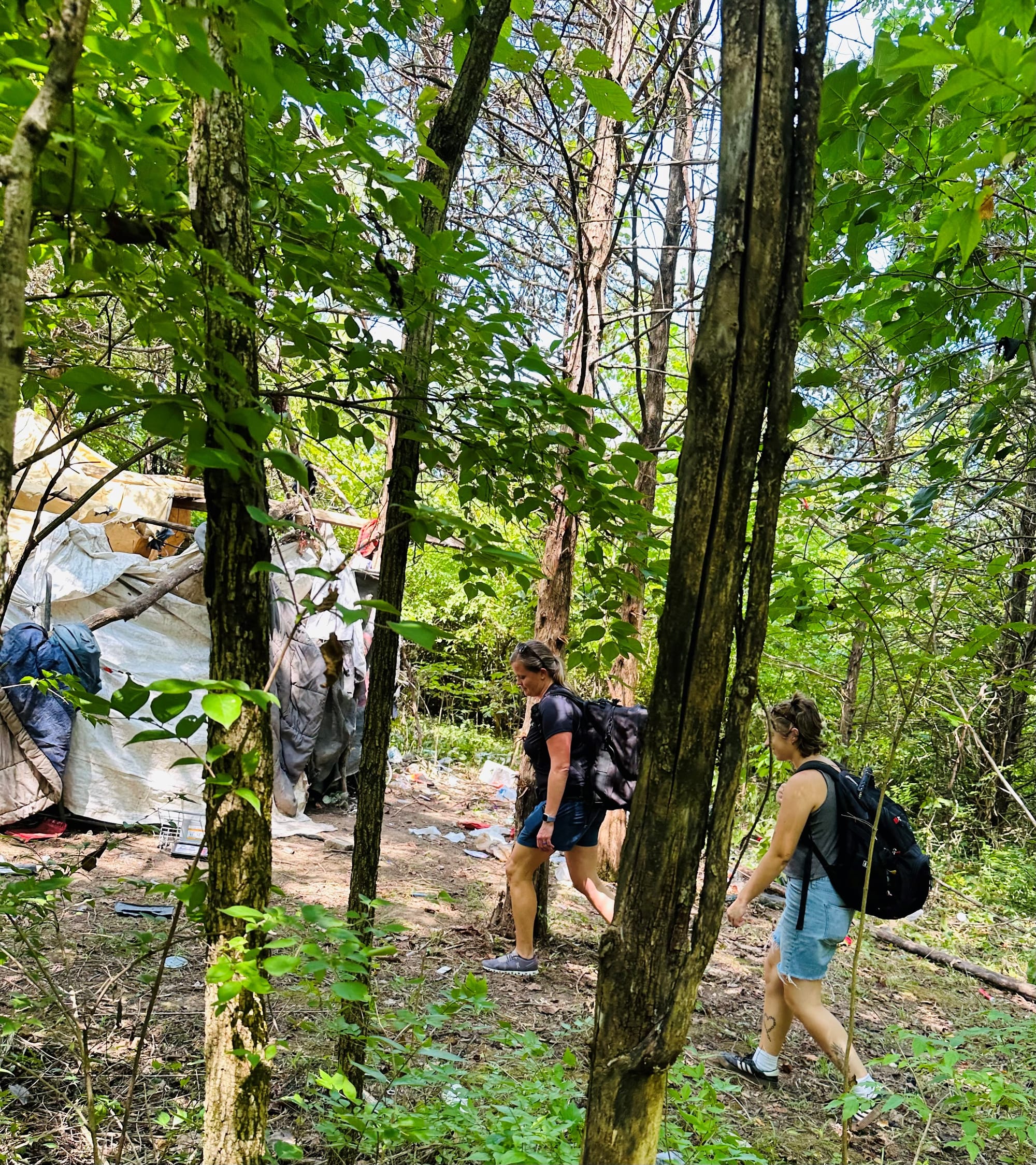
Indianapolis-based HealthNet, which focuses on providing medical services to the underserved, includes a Homeless Initiative Program (HIP) that facilitates the Bloomington Street Medicine and Outreach Team. The team meets unhoused individuals wherever they are staying, including local shelters and encampments, to deliver services. Working in groups of two to three people with backgrounds including psychiatry, nursing, case management, and housing services, the outreach teams treat wounds, draw blood labs, prescribe and administer medicine, including long-acting injectables to treat severe mental illness. They also connect people to other specialty care they need, including disability services and secure housing.
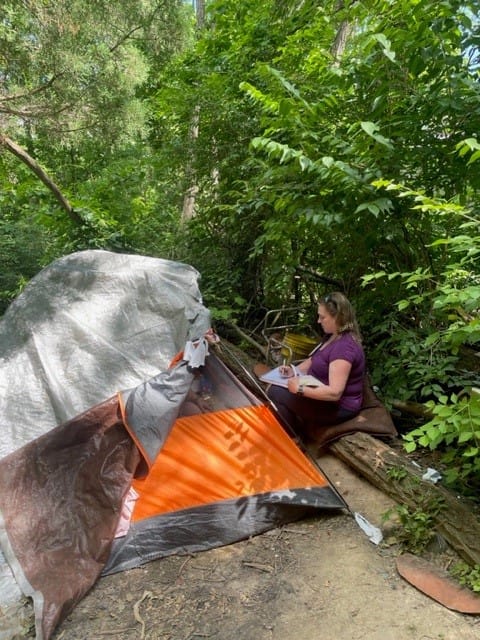
Bloomington HIP coordinator Melissa Burgess travels frequently to Bloomington to deliver services. She said HealthNet is supportive of her team’s requests for on-the-ground resources. Burgess shares a story in which a client who was living in a tent and dealing with severe mental issues agreed to start medication and became stable enough to move into an apartment. They recently applied for and were awarded disability with the support of the outreach team.
This process doesn’t happen overnight. According to Burgess, it can take years to get members of the unhoused community to make the decision to accept initial treatment and more advanced support. The outreach team is trained to center compassion, empathy, and humility in guiding them through such decisions. Burgess says, “The thought around unhoused folks [is that they] are lazy, or addicted to substances, or aggressive or violent, that couldn’t be further from reality. There are people who use substances. There are people who are aggressive. There are people who are violent, but that's a very small percentage. And the people who we have the honor of getting to know and being able to work with, they are discriminated against, and invisible, but with consistency and love and compassion, you learn that they are not that far from us.”
New Leaf, New Life
Similarly, New Leaf, New Life executive director Heather Bland and her colleagues see building long-term trust through empathy as the key to helping individuals who have been incarcerated and who struggle with mental health and substance use issues to reenter the community. Bland says, “We build relationships, and then they know there’s a safe place to come when they’re, like, ‘Hey, I want to do something different.’ Last month, I think we got 12 people into treatment.”
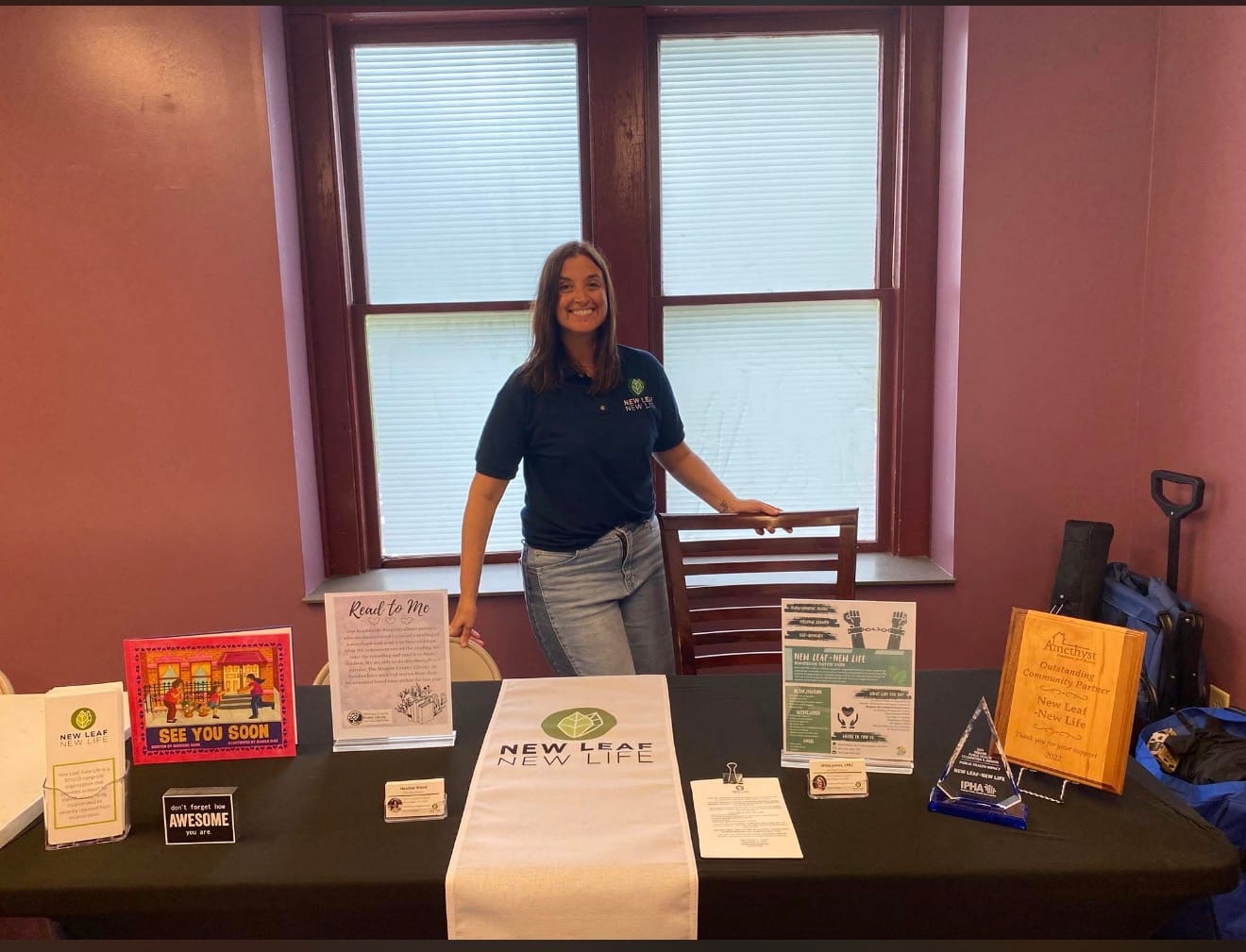
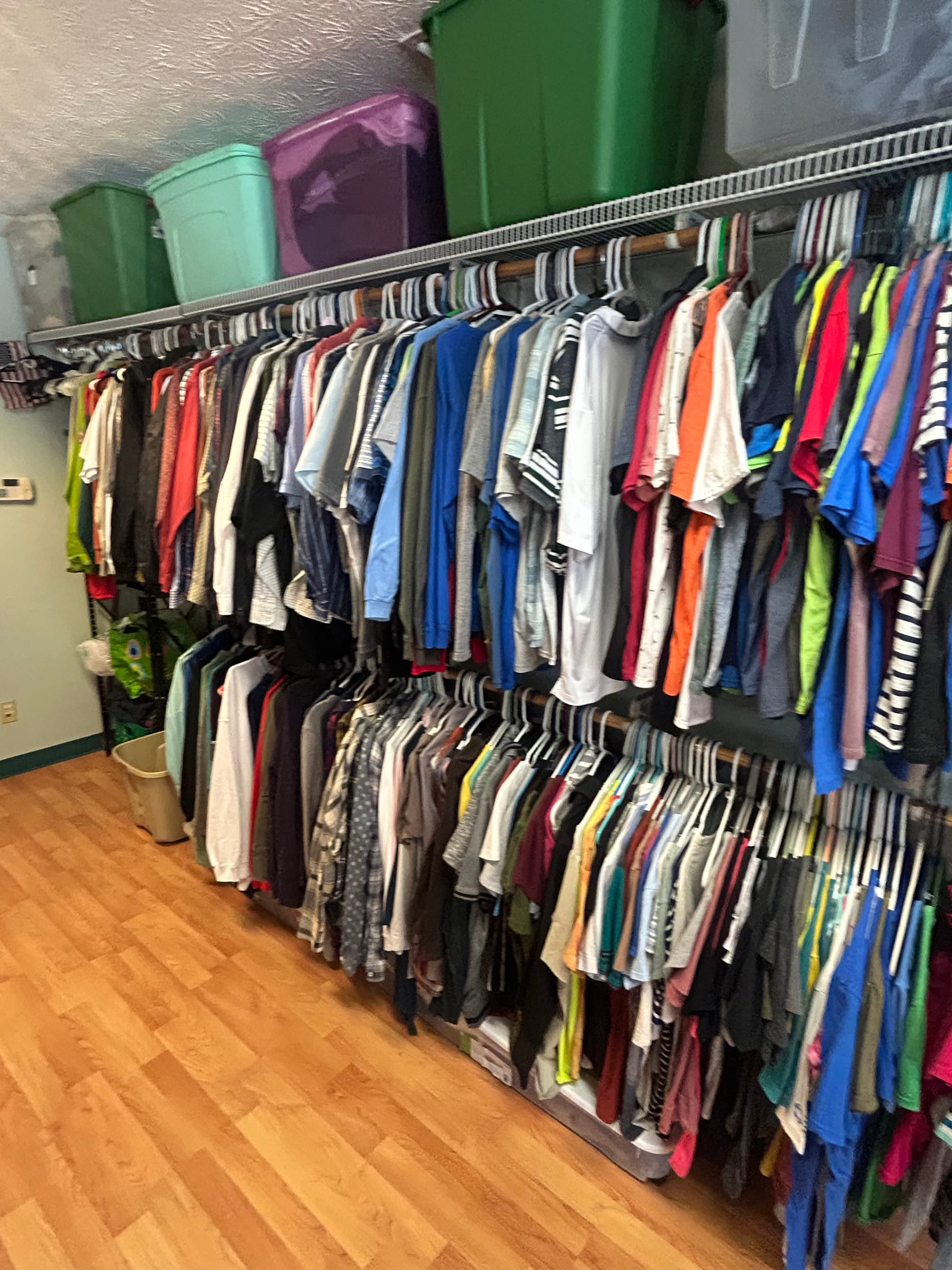
New Leaf, New Life connects people to resources including shelter, job opportunities, substance use counseling, and options for housing and sober living. While some shelters across the nation have been known to turn away individuals with active substance use problems, Bland emphasizes that New Leaf, New Life’s services are available to all. “We don't ban people. We don’t say we’re not gonna provide you with clothing or bus tickets if you don’t do something.”
Bland reaches deep into the community for resources. She recently received a grant to provide non-slip and steel-toed shoes for clients she’s connected to jobs in restaurants and construction. She’s currently fostering someone’s animal while they’re in treatment.
Bland has first-hand experience benefitting from New Leaf, New Life’s services. The organization was one of the first resources she accessed after a history of substance use and being unhoused and incarcerated. Bland is now seven and a half years in recovery and has an active relationship with her children, who were adopted while she was incarcerated. After receiving scholarships to become a peer recovery coach, she took a job as a case manager at New Leaf, New Life. Then, Bland says, “an opportunity opened up to become the executive director here. All of these pieces fit together, and now I am the executive director at the organization that helped me when I was at the most vulnerable point, so it’s like the coolest thing ever.”
Stride
The lived experience Bland brings to her role at New Leaf, New Life is central to the model employed by the Stride Crisis Center’s Mobile Response Team. The team was created in 2022 as a division of Centerstone to provide immediate care to individuals experiencing mental health or substance abuse crises. It also is connected to Indiana’s 988 Suicide & Crisis Lifeline and receives referrals from its system. Each two-person response team includes a certified peer support professional who can provide the empathy and direct understanding that Bland and Burgess say is so essential to their work.
The team operates across five counties (Brown, Owen, Morgan, Lawrence, and Monroe), and supports both housed and unhoused people of all ages. According to crisis coordinator Jennifer Scott, the team once supported a 7-year-old child on one day and a 97-year-old adult the next.
“I’m proud of the work that we do in partnership with all these organizations. We put the unity in community.” - Jennifer Scott
The Stride Mobile Team, most of whose clients are not unhoused, also provides up to five in-person follow-up visits. Stone points out that follow-up care is essential for people in crisis. Stride also operates a facility where adults eighteen years of age and older can stay for up to 23 hours. It frequently takes in individuals brought by the police who need care rather than jail, as well as people referred by other shelters, such as the Bloomington Severe Winter Emergency Shelter, when their beds are full.
Scott recounted that the police department asked Stride to help find an overnight shelter for a person who had been a victim of recent domestic violence. Stride was full, so program manager Tia Magee found a shelter that could take the individual, but only if she could make it there in fifteen minutes. With Stride’s vehicles all in use, Magee used funds from the Community Foundation of Bloomington and Monroe County to pay for an Uber that safely transported the person to the shelter in time to get a bed. The foundation funds typically are used to reunite individuals with family or friends in a different state or city who can provide an appropriate support network.
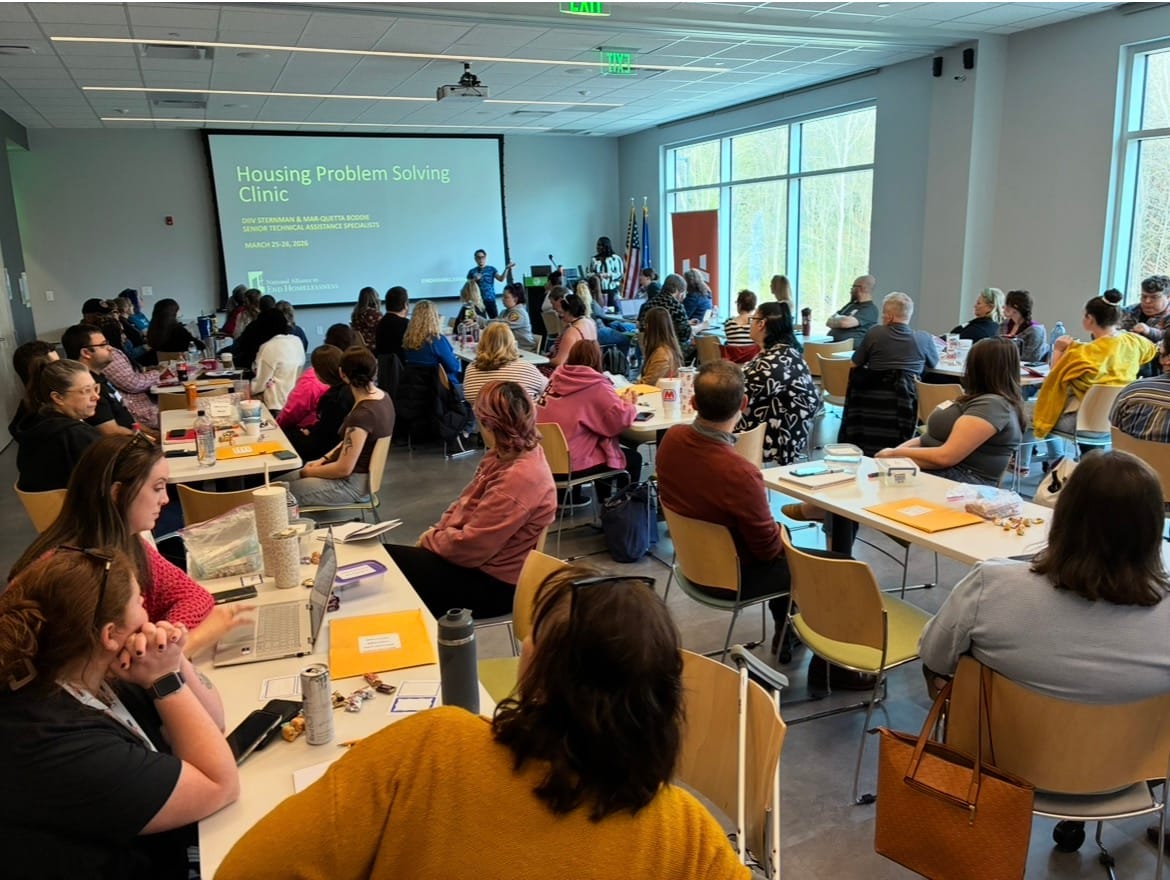
Stride is one of several local aid groups that participate in a weekly gathering to discuss current issues, brainstorm and learn new resources, share experiences that succeeded or failed, and tap experts with other skillsets to help fill experience gaps.
“I’m proud of the work that we do in partnership with all these organizations,” Scott says. “We put the unity in community.”
Streets to Stability
Collaboration and partnership will be key in Heading Home’s new Streets to Stability program, announced in July. The program brings together several parties to move people from encampments into housing. Heading Home, an organization responsible for convening different types of support for the unhoused, plans to arrange several different caretaking teams to build relationships with encampment residents. The teams will offer resources, including those related to mental health and substance use issues, to help stabilize and transition them living into housing that is heavily subsidized for the first year. Each housed individual’s caretaking team will help them plan resources to sustain their housing beyond that first year.
The Streets to Stability model is based on programs that seem to have been successful in other communities, including in Cleveland, Ohio, where the approach led to the housing of 177 individuals in eight months.
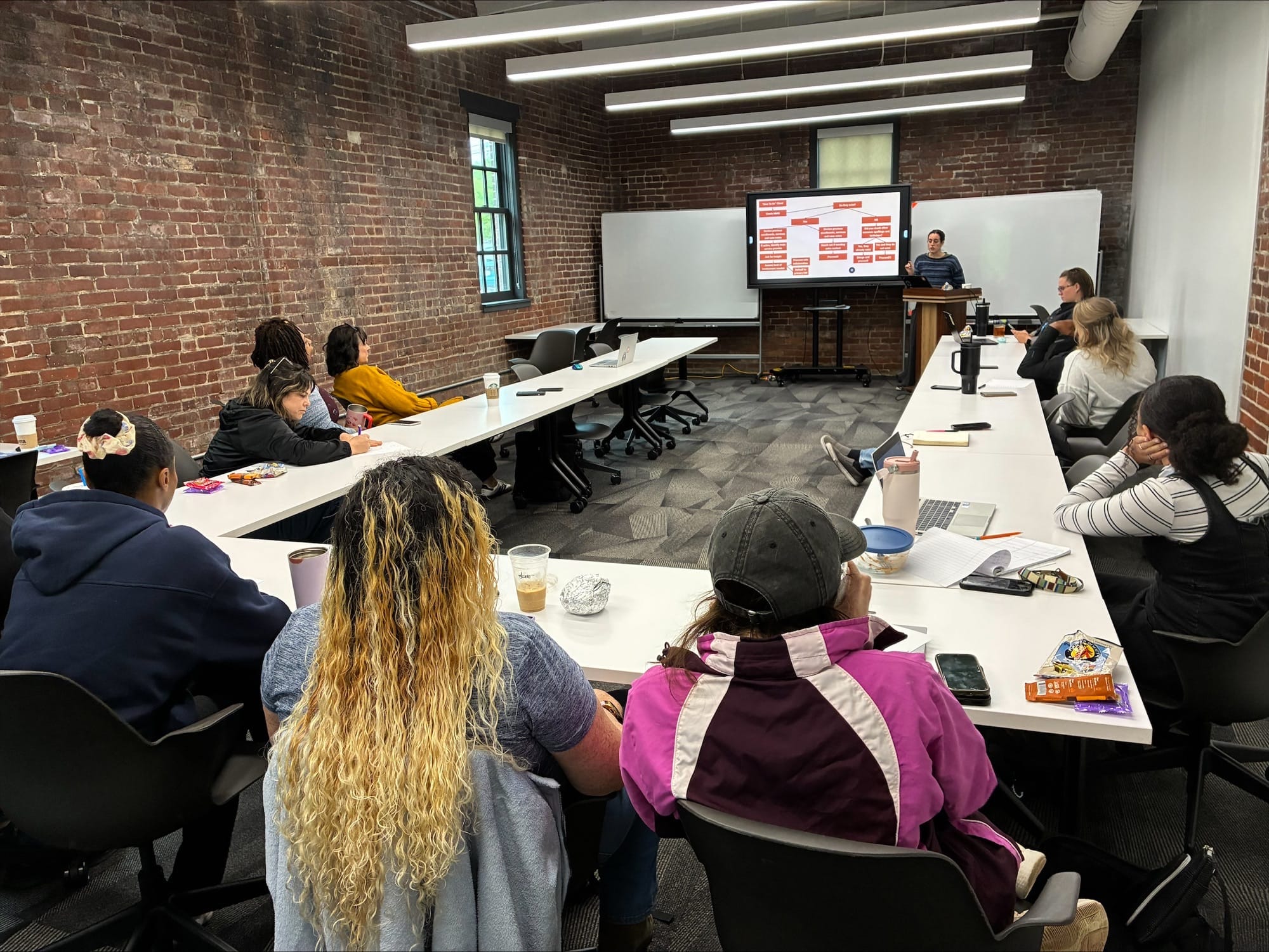
Several factors will need to be addressed to make the program successful, including finding local landlords willing to invest in the program. Mary Morgan has recruited Mary Hamric, former director of New Hope for Families, as Heading Home’s new strategic partnerships director. Hamric will establish relationships with landlords and enter lease agreements to house individuals.
According to Burgess, it can take months to build relationships with encampment residents and move them into housing. And it’s important to maintain that trust during and after the first year. “What if something falls through?” Burgess said. “You don't want to damage your relationship or provide false hope, because that’s completely unfair and inappropriate.”
Burgess also points out the need to accommodate the growing number of barriers to getting resources to unhoused residents.
Collaborative solutions emerge as funding cuts continue
In fall 2025, the U.S. Department of Housing and Urban Development significantly cut funding to housing programs for people experiencing homelessness in communities across the nation, especially impacting services to seniors, veterans, families, and people with physical and mental health issues. Indiana is one of the states that relied most heavily on these funds, and per the National Alliance to End Homelessness, may lose almost $24 million in funding for programs that provide permanent housing.
Congress made significant cuts to Medicaid that will take effect in October 2026, which means many unhoused individuals will lose benefits that help cover services like those that HIP provides.
On July 1, Indiana’s Senate Enrolled Act 285 took effect, prohibiting individuals from camping, sleeping, or sheltering on land owned by the state or local government. Violations of the law can result in a Class C misdemeanor charge, a fine of up to $500, and up to 60 days in jail. Many, including members of the Monroe County government, have said the law will place more burdens on the police department and jail, as opposed to providing more resources for groups like Heading Home, HealthNet, and Stride.
Bland says education and collaboration are crucial to finding solutions in the face of the challenges presented by these national and state initiatives.
“The more that people are educated with well-rounded information from all the people who are in the trenches really trying to help, maybe the more our collaborations can grow,” says Bland. “Because Bloomington is wonderful, and we have a unique opportunity to show other people how to mitigate these circumstances absolutely.”
Burgess shares the belief that taking the time to get to know members of the unhoused community and meeting them where they are to better understand their situations is key. “It’s their journey, and it’s a gift to be on their journey with them,” she says. “I truly believe that nobody chooses to be homeless. I truly believe you didn't choose it. I believe that the systems have failed you, and I’m sorry, but here we are, and when you’re ready, we’re here to help.”
The Bloomington Health Foundation is an underwriting partner of Limestone Post. As the local philanthropic expert for improving community health for more than 50 years, Bloomington Health Foundation is expanding its mission to address the most pressing health needs in Bloomington and neighboring communities.
Holly Warren
Holly Warren moved to Bloomington in 2021. She has an MFA in Creative Writing from the School of the Art Institute of Chicago. Her chapbook Glaciation was published by Meekling Press. She has written for Bloom Magazine and Chicago’s Newcity Magazine.