USDA Program Provides Affordable Capital for Southern Indiana Transformation Projects
Radius Indiana taps Intermediary Relending Program to help small business.
More than 20 years ago, Jeff Quyle discovered the federal Intermediary Relending Program (IRP) while he was working for rural electric cooperatives in Indiana. For decades, he watched other states use this economic development initiative, backed by the United States Department of Agriculture, to improve economic conditions and create jobs in rural communities.
“But no one in Indiana had taken advantage of it,” Quyle said.

As president and CEO of Radius Indiana, a southern Indiana regional economic development partnership, Quyle now taps into the IRP to help small businesses and public entities in an eight-county service area secure low-interest capital for new endeavors and transformative projects. The organization’s area includes Crawford, Daviess, Dubois, Greene, Lawrence, Martin, Orange, and Washington counties.
“[These loans are] helping local companies in the region put their capital in place, have their capital stacked, all arranged to the best place they can arrange it, and move forward with their projects,” said Quyle.
About the Intermediary Relending Program
Through IRP, the USDA provides loans to intermediary lenders, such as Radius Indiana, at a 1% fixed interest rate for terms up to 30 years. The intermediary may make interest-only payments for the first three years and must use $250,000 or more of loan funds in the first six months after closing.
The intermediary then re-lends the funds to qualified borrowers at an interest rate that’s sufficient to cover operation costs. Radius Indiana offers a fixed interest rate of 3.5%.
“We ultimately do have to repay the USDA,” Quyle said. “That 2.5% margin is money that is recollected. We are allowed to keep it in a revolving loan program, so that over the long run, we’ll continue to be able to receive money and then lend it back out to borrowers in the region as a long-term investment tool.”
To receive an IRP loan, borrowers must meet certain criteria, such as being free of delinquent debt to the government, and their projects must be in an eligible rural area. Many types of projects qualify for IRP funds. For example, borrowers can use the money to:
- Promote community development
- Establish a new business
- Purchase or develop land
- Acquire, construct, convert, enlarge, or repair a business
Recipients can also employ the funds for:
- Start-up costs and working capital
- Feasibility studies
- Transportation services
- Building hotels, motels, and convention centers
So far, Radius Indiana has received $1 million from the USDA and committed $500,000 of its own capital, creating a total fund of $1.5 million, with about $1 million in outstanding loans. The organization spread out its IRP applications — once in 2018 and once in 2024 — to make its proposals more attractive with additional investment.
“When we apply to the IRP, it is competitive, and we want to rack up points so that our application will be the one chosen by the USDA,” said Quyle.
The maximum amount a recipient can borrow is $400,000 or 50% of the loan to the intermediary, whichever is less. Quyle estimates recipients save about 4% to 5% in interest expenses compared to current commercial rates.
“It makes their borrowing costs much more affordable,” he said. “Right now, they’re typically looking at having to borrow money at something closer to 8% interest.”
Workforce development office at WestGate Academy
The Naval Surface Warfare Center Crane Division used IRP funds to create a workforce development office, which opened at WestGate Academy within WestGate@Crane Technology Park in 2023.
Bryant Niehoff, who was the executive director of the Daviess County Economic Development Corporation at the time, stated the Odon project created a physical presence for NSWC Crane Division outside the installation’s gates and established a “dynamic innovation district” for workforce training, leadership development, and recruitment.

Niehoff said, “This was a big first leap for NSWC Crane to be doing that, really pushing their chips in and saying, ‘Hey, we truly want to invest in the ecosystem. We’re going to walk the walk with what we have been saying.’”
Niehoff called the $250,000 IRP loan a “specialized tool” that was deployed alongside the WestGate@Crane Authority’s revenue to provide the quasi-governmental partnership with a streamlined alternative to a conventional commercial loan.
“It’s not your standard commercial real estate deal where you’re borrowing funds. That process would have taken a long time. The benefit of the IRP is that you have all of that context with the parties involved going in, and we could validate that along the way,” he said. “[The lender] can sit down and try to unpack this and make sure it makes sense and give you the capital you need.”
By locating the workforce development office next to NSWC Crane Division, project leaders removed the visitor entry process required at the facility, increased activity at the academy, and created an “engineered serendipity” at the technology park, according to Niehoff.
“Putting folks together and letting ideas come together. That has lit the spark in many ways for what we’re seeing with WestGate today,” he said.
Salem warehouse renovation for steel tubing manufacturer
In Washington County, Aaron Lee of Cornerstone Family Farms implemented a $200,000 IRP loan to renovate a 1970s warehouse in downtown Salem for a new tenant. The work included structural upgrades and exterior improvements for E&H Tubing, a Brownstown-based steel tubing manufacturer.
“There were several little projects that we had to do, that added up to quite a bit of money, to be able to get it to a place where they would have a good usable space, and it would accommodate what they were wanting to do,” said Lee.
E&H Tubing’s expansion into the facility created 20 immediate jobs, with long-term projections of up to 50 total positions.
“It’s awesome to be able to bring jobs into town that we need pretty badly. Then, of course, there’ll be a tax base there. Anytime we can bring a business in and bring some industry, that’s a positive for everyone,” Lee said.
IRP funds covered about 60% of the project’s costs, giving Lee some breathing room to spread out the expenses.
“It cost quite a bit of money up front to be able to make this project work. We might not have been able to do it otherwise, without the help of this funding,” he said.
Bedford real estate appraisal firm’s downtown headquarters
Rebecca Decker, owner of Legacy Appraisal Co., borrowed IRP money to renovate a 120-year-old building in downtown Bedford for her company headquarters. She expects to move into the 1,400-square-foot commercial space in September. Meanwhile, a tenant has been living upstairs since Decker purchased the property a few years ago.
“The people I bought the building from had already renovated the top,” she said. “They were going to live there and do something with the bottom. But they didn’t get down to the second part of the project.”
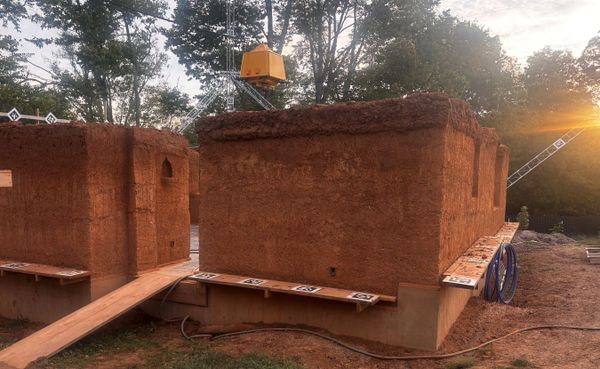
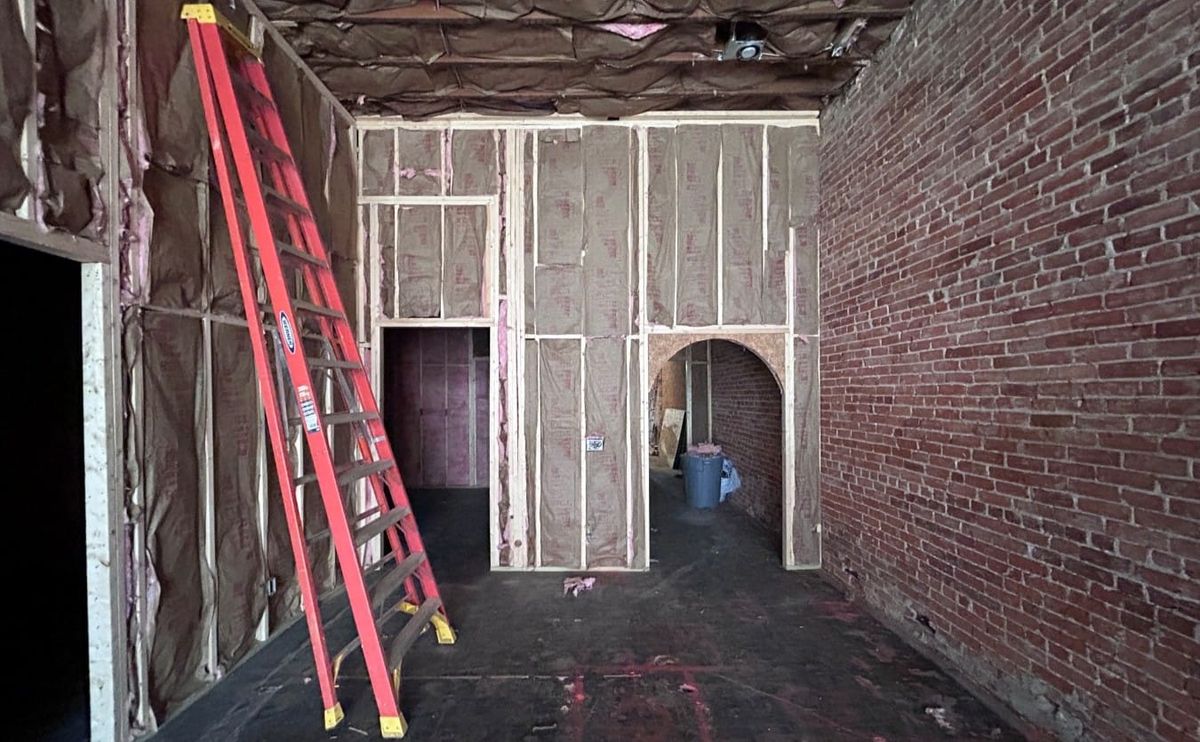
The downstairs work involved a complete interior gutting and facade replacement — including new framing, windows, and transoms — to restore the long-vacant space.
“The front of the building was rotted out where the windows had been leaking and water had been going in,” said Decker.
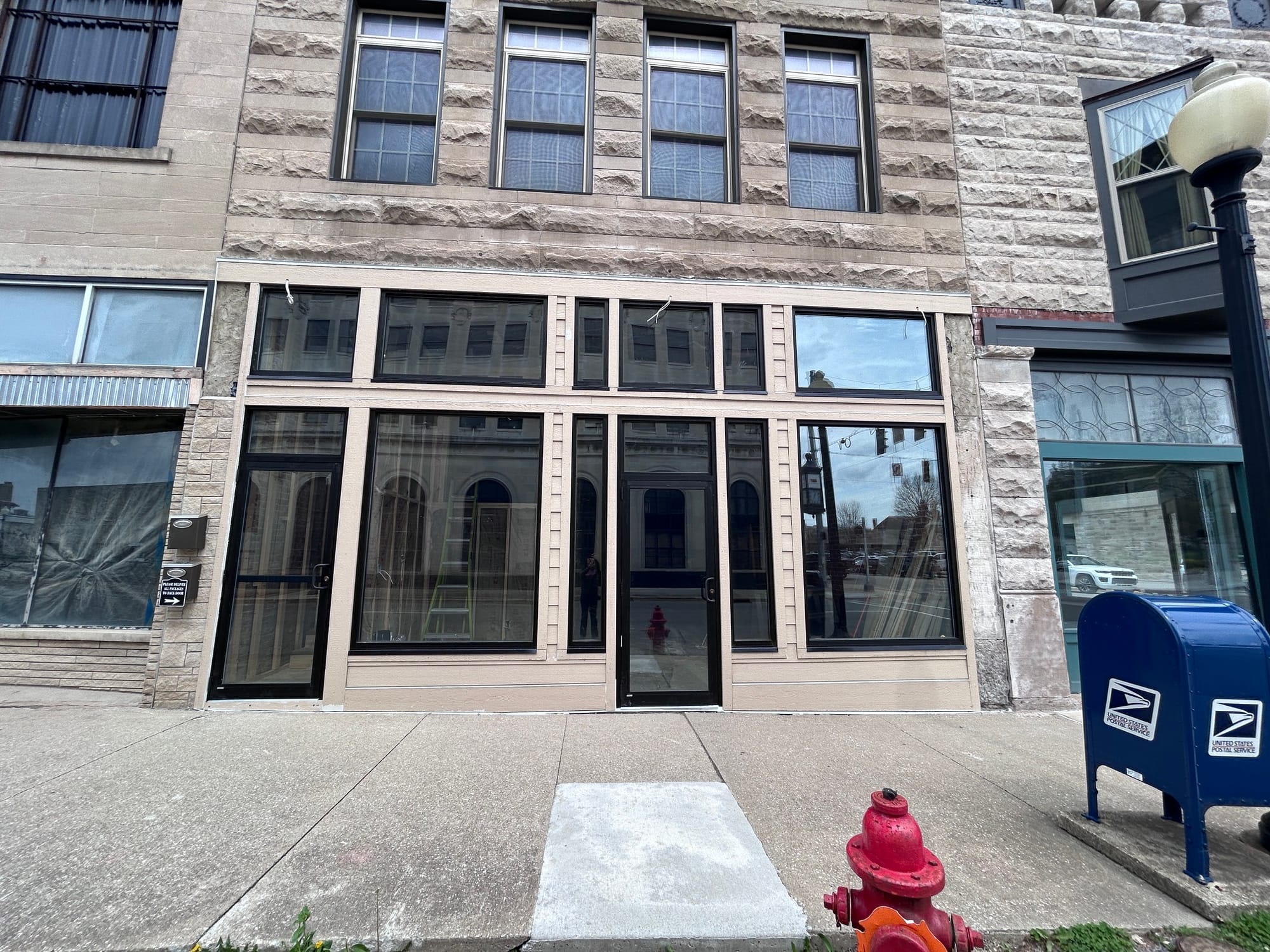
The $50,000 IRP loan provided about half of the capital for the project, which has allowed Decker to hire an additional appraiser. She contributed the rest of the funding.
“I couldn’t find any more loan rates as attractive as Jeff’s, so I had to borrow money from myself,” Decker said.
What prospective borrowers need to know to apply
The most direct way to inquire about IRP funds and review all the loan requirements is to contact Radius Indiana at 812-277-9778 or email Quyle at j.quyle@radiusindiana.com. He noted inquiries often come through leaders of local economic development organizations in the eight-county region. For example, Lee learned about Radius Indiana’s IRP loans through Angie Buchanan, executive director of Washington County Economic Growth Partnership.
Quyle said, “[County leaders will say,] ‘Hey, I’ve got this company that’s looking for an expansion. They need some financing. Do you have any funds available?’”
Radius Indiana sends an application to the interested party, and then an executive committee evaluates the form before the organization’s board of directors votes on the project.
Even if an IRP loan isn’t the right fit, Lee urged prospective borrowers to discuss their projects with Quyle to find other options.
“[Quyle] is a wonderful resource, not only with the funds that he can provide, but he also has a lot of business insights and can direct you if he can’t help you personally. He could help point a person in the right direction,” Lee said.
Niehoff advised applicants that the IRP is designed for complex and creative deals that traditional, profit-driven banks might ignore. Decker proposed that the biggest hurdle in securing such funds is often the fear of asking.
“It’s all about networking when you’re in business. Don’t be afraid to make those contacts and reach out. My philosophy, for life in general, is, ‘What’s the worst that could happen?’” she said.
Mitzi S. Morris
Mitzi S. Morris is an independent journalist, content writer, and copywriter currently living in western Kentucky. Mitzi spent 17 years in TV and digital journalism before starting her freelance writing career in 2021. More at www.mitzismorris.com.