School Matters: Funding Cuts Likely to Produce Referendum ‘Wave’
Steve Hinnefeld explains why many anticipate school district property-tax referendums this year.

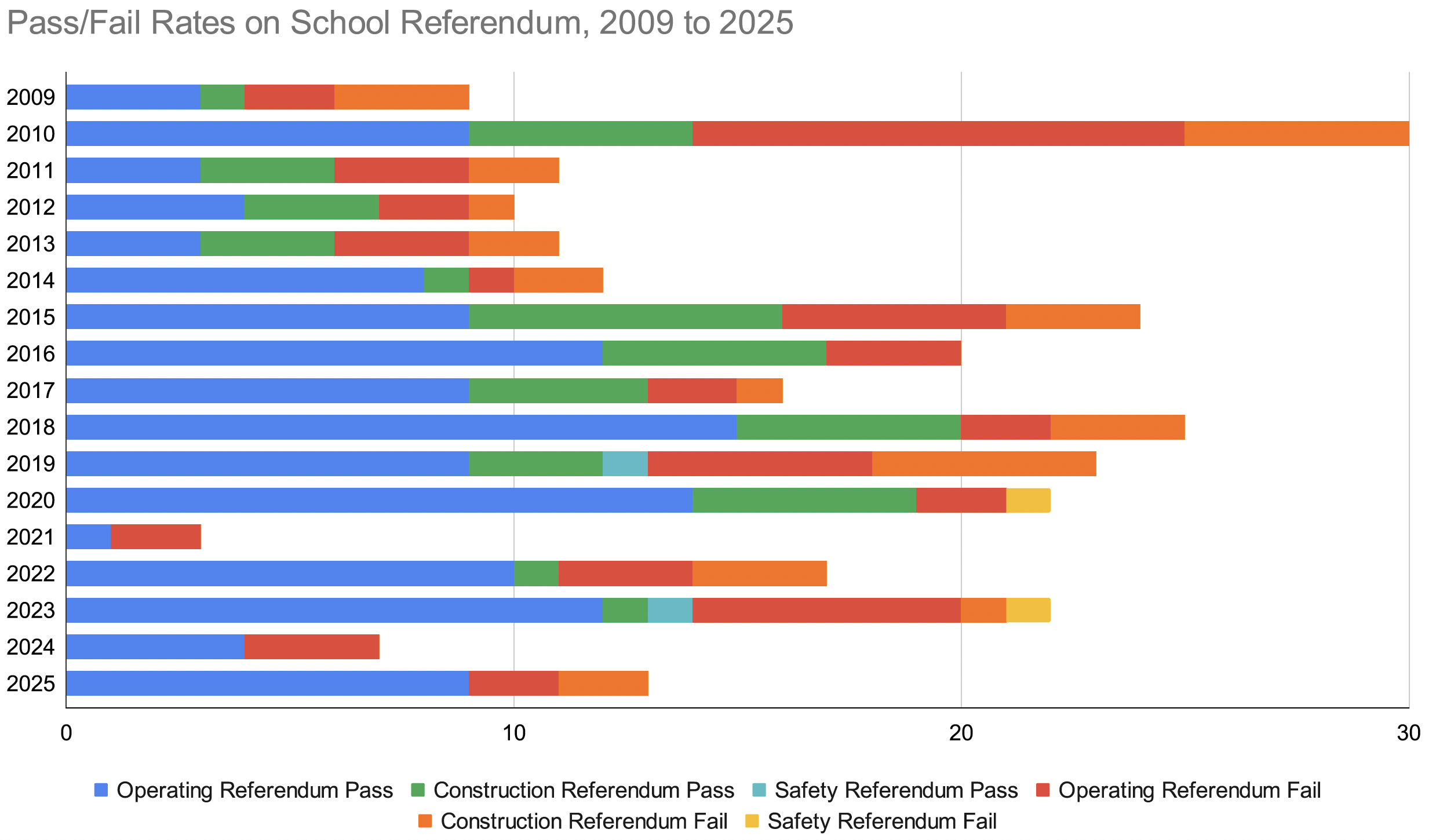
Look for a record number of Indiana school districts to ask voters to increase local property taxes this fall. Terry Spradlin, executive director of the Indiana School Boards Association, expects 60 to 70 school funding referendums in November. The Indiana Coalition for Public Education, which advocates for public schools, says there may be 100.
Either way, it’s fair to say a referendum wave is coming. In most previous years, there have been about a dozen school funding referendums. But more districts are turning to the strategy to offset lagging state funding and new restrictions on local property tax revenue.
“Public schools are hurting,” says Cathy Fuentes-Rohwer, president of the coalition, known as ICPE. “You have all these costs going up at the same time their funding is going down.”
In Indiana’s school funding system, the state pays most operating costs, including teacher and staff salaries, while districts levy property taxes for facilities and transportation. If state funding isn’t enough, districts can use property-tax referendums to raise extra money for operating costs. And state funding hasn’t kept pace with costs in recent years.
According to Ball State University economics professor Michael Hicks, Indiana spent 2.77% of its gross domestic product on education in 2010; by last year, the figure dropped to 2.16%. The state spends $100 less per student than 16 years ago, adjusted for inflation.
Along with lackluster funding, a growing share of education spending goes to private schools and privately operated charter schools. Indiana’s voucher program, which pays private school tuition, started small in 2011 but now costs a half billion dollars a year. This fall, all private school students will be eligible, regardless of family income.
The big hit for schools comes from Senate Enrolled Act 1, the property-tax reform law that the state legislature approved in 2025. ICPE, citing estimates from the state Legislative Services Agency, says SEA 1 will reduce schools’ expected property tax revenue by $744 million through 2028. The biggest reduction, $336 million, will come in 2028.
Evidence of its impact comes from an ICPE survey of Indiana school superintendents. More than half of the state’s 290 district leaders responded, and 99% said they face negative impacts from state and federal actions. Nearly two-thirds of superintendents said their districts had reduced or committed to reducing support staff. Over half had cut or agreed to cut teachers. Many were scrapping or delaying facility plans.
“The thing we’ve been saying is, this defunding is a choice on the part of the state legislature,” Fuentes-Rohwer says. “It’s not an accident.”

School districts have been able to supplement inadequate state funding with referendums since 2008. Voters can raise their property taxes for up to eight years to pay for school operating expenses, safety programs, or certain construction projects.
In the Monroe County School Corporation in Bloomington, voters approved operating referendums in 2022 and 2023. (The district previously approved referendums in 2010 and 2016). Referendum funding provides over $22 million a year, according to the district.
The 2022 MCCSC referendum, which funds teacher and staff pay increases, passed overwhelmingly. The 2023 referendum, to expand pre-kindergarten and pay for school supplies and instructional fees, barely passed: 50.5% to 49.5%. That suggests MCCSC may not try again until the current referendums are about to expire.
For Brown County Schools, an attempt to extend a referendum-approved tax increase fell 300 votes short in 2022. Brown County Superintendent Emily Callahan said supporters may have been complacent. “We just didn’t have the collective urgency of everyone out on the front lines,” she said in a May 6 ICPE webinar on referendums.
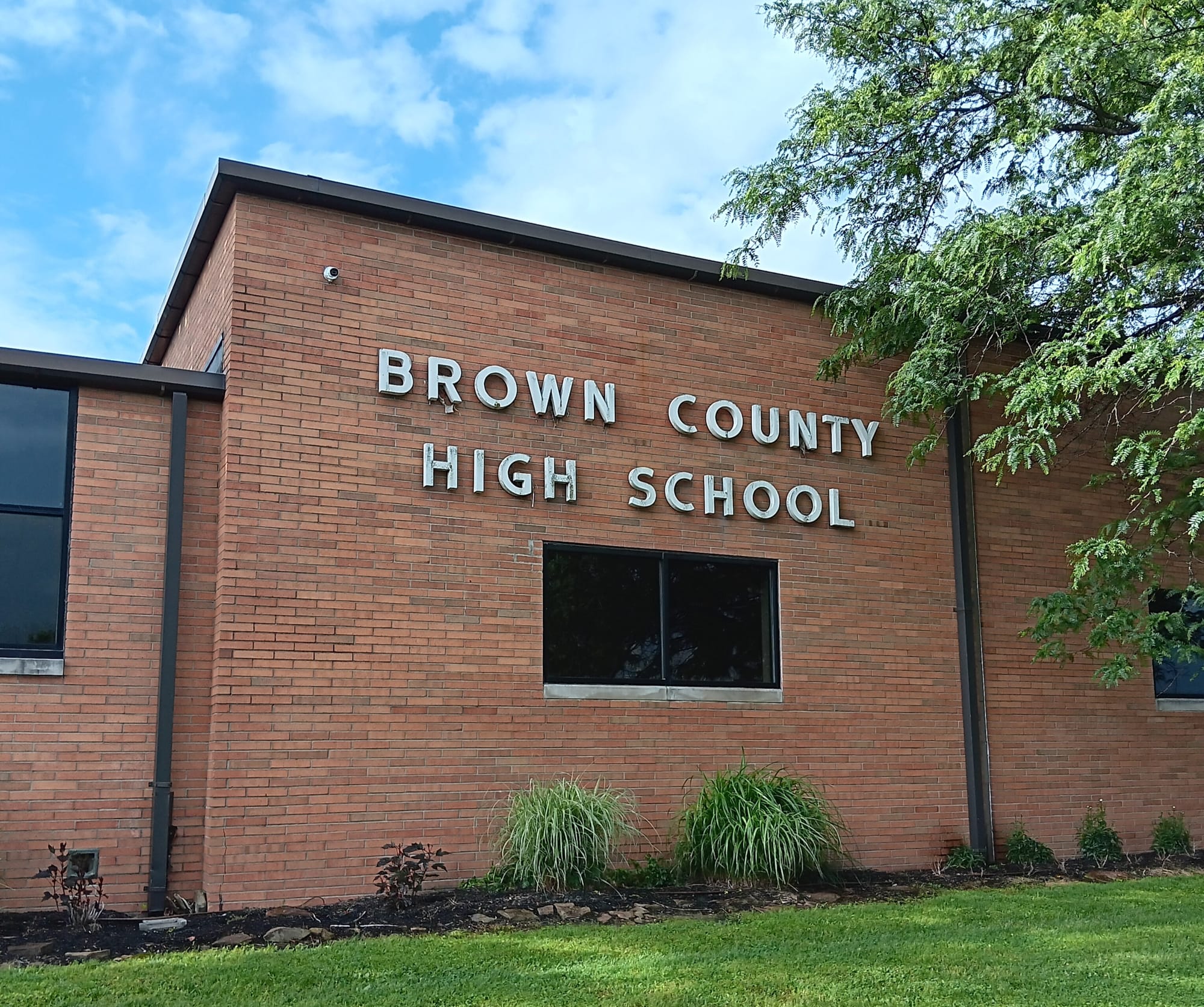
Brown County learned from its mistakes, tried again in 2024 and succeeded, with support from 55% of voters. But running a successful referendum isn’t easy. It typically includes community surveys, consultants, and a volunteer-led political action committee (because districts can’t spend public funds to advocate). And there’s no guarantee it will pass.
According to research by Purdue agriculture economist Larry DeBoer, an expert on Indiana education finance, referendums are most likely in districts that are wealthy and don’t rely on farmland as a big part of their tax base. Districts often fail on their first try, he finds.
That may explain why a majority of Indiana districts have never tried. Richland-Bean Blossom schools in Ellettsville and districts in Greene, Owen, Lawrence, and Morgan counties have avoided referendums. Will that change this year? School boards have until early July to decide.
Referendums have been a lifesaver for districts that pass them. But, as Fuentes-Rohwer says, they’re no substitute for robust state support. “If the state fully funded public schools,” she says, “we would not have a need to pass referendums.”

Steve Hinnefeld
Steve Hinnefeld is a journalist and former Herald-Times reporter, IU media relations specialist, and IU Media School instructor. He writes about education at inschoolmatters.wordpress.com and lives in Bloomington with his wife.