Mutiny at Freeman Field: How Black Officers Fought Racism In the Air Force
Jim Allison mixes history with anecdote in this look back at the Freeman Field mutiny.
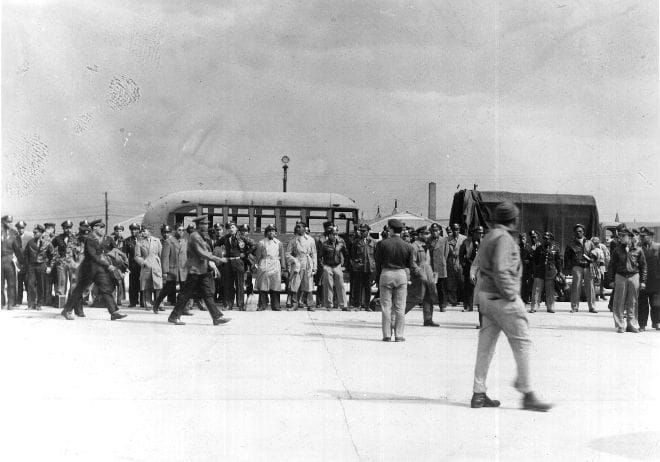
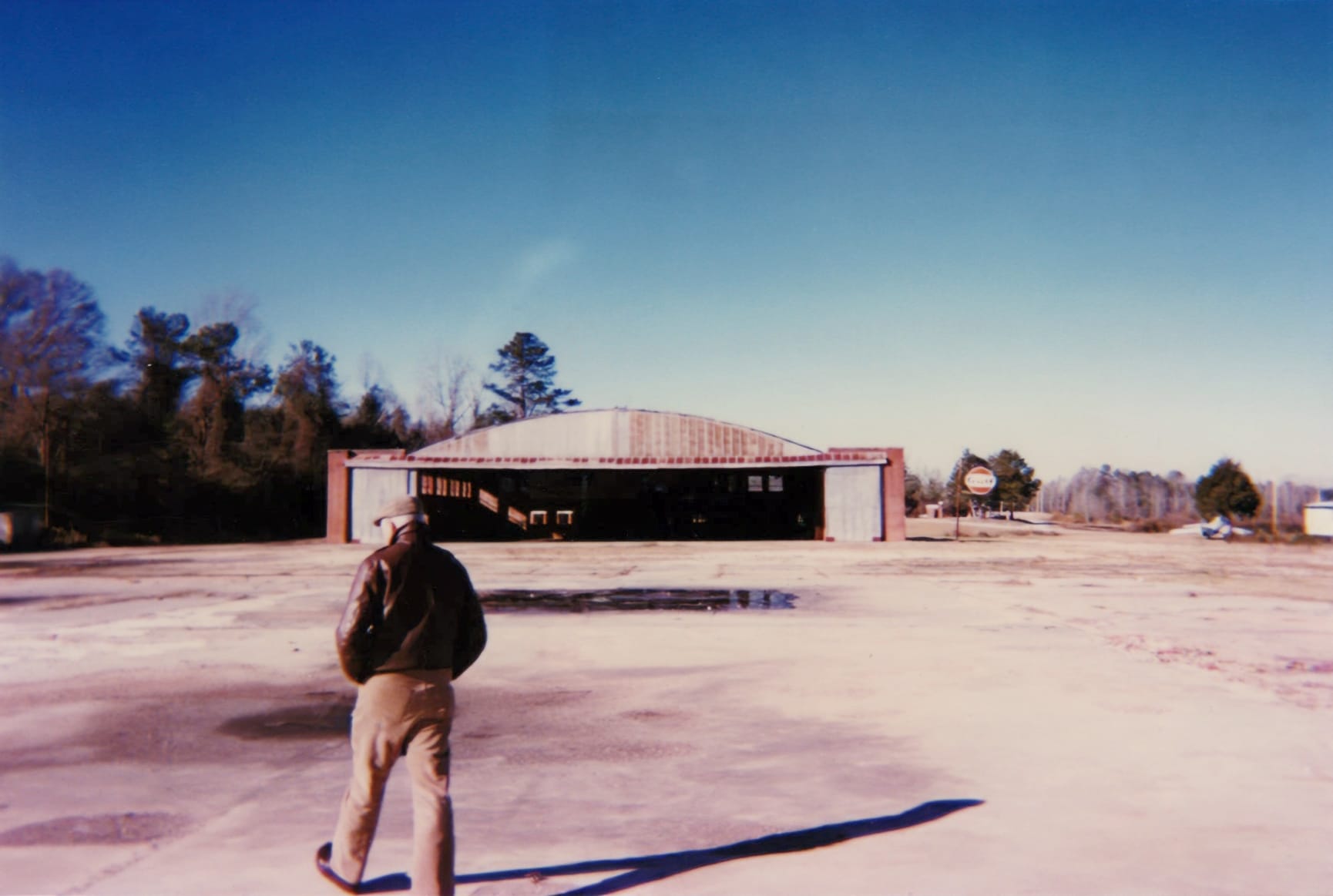
Freeman Field is a quiet municipal airport near Seymour, Indiana. Today’s quiet makes it hard to imagine Freeman as a busy wartime training base where a mutiny by Black officers cracked the racist foundations of the U.S. Air Force and inspired a Pulitzer Prize-winning novel in the aftermath of World War II.
I discovered the mutiny among the “Cs” in a used book store. I was searching for James Gould Cozzens, a once-famous novelist whose Guard of Honor, based on his wartime experience as an Air Force staff officer in the Pentagon, won the 1948 Pulitzer Prize. The store had no copy of that, but it did have a slender volume of his wartime diary.
As I thumbed through the diary, the words “Freeman Field, Seymour, Indiana,” grabbed my attention. I knew that field. It was only 50 miles from my home in Bloomington, and I had landed there occasionally as a private pilot. What was it doing in Cozzens’s diary?
It turned out that in WWII, Freeman Field had made quite a stir among the top brass in the Pentagon as the place where over 100 Black Air Force officers had mutinied against their exclusion from an officers’ club — a racist exclusion by a high command in flagrant violation of official Air Force policy. I had stumbled across Cozzens’s historic inspiration for the central event in his Guard of Honor. The event would later be acknowledged as an early turning point in the integration of the U.S. military.
I decided to study this historic mutiny and revisit the novel as a comparison of life with art. My research would lead me not only to writing a manuscript of my own about Freeman field, but also to playing a role in clearing the record of one of the officers involved in the mutiny.
Soon I found that the novel, although inspired by the mutiny, was no accurate account of the mutiny’s motive, development, or outcome. I also found that unlike the present obscurity of the novel and its author, the mutiny still reverberated. Wrongs remained to be righted, and if it was too late for redress, it was not too late for amelioration.
When he joined the Army Air Corps in 1942 at age 39, Cozzens was a Harvard dropout with patrician sensibilities, the illiberal son of a liberal New Deal mother. He was a successful novelist, a Yankee with an antisemitic streak, and durably married to the love of his life, Sylvia Bernice Baumgarten — a brilliant literary agent who happened to be Jewish. After Officers Training School he was posted to the Pentagon, where he wrote memos about important Air Force happenings there and in the combat zones. He was discharged in 1945 with the rank of Major and a wartime diary containing 380 pages of single-spaced typescript.
Shortly before World War II, the U.S. Army Air Corps was lily-white. In 1937 Black men formed only 1.8% of the Army, but the Air Corps flatly refused to accept them. When war broke out in 1939 the Army decided to recruit more Black men, all destined for African-American units. The new policy was admittedly segregationist, but the Army denied racial discrimination, thanks to separate but equal facilities. Blacks would get aviation training as pilots, mechanics, and technicians, and would form their own units as soon as the Air Corps could train the necessary personnel.
In response to Congressional pressure, the Air Corps sponsored several Black flight schools, but took none of their graduates despite evidence from integrated flight schools in the north that Black students performed as well as white ones. Air Corps brass explained that Congress had mandated only that the Corps establish schools, not that it accept the schools’ graduates. Integration was out of the question, and there was still no provision for the creation of Black squadrons. Therefore, having no unit to which Black men could be assigned, the Air Corps could not admit them. And what if a Black pilot happened to make a forced landing at a white base? Where would he eat and sleep? And what might happen if he ordered white enlisted men to service his plane?
Countervailing pressures from politicians seeking the Black vote, and from enterprising Blacks who threatened to sue, produced an Air Corps decision to form an African-American fighter squadron with 47 officers and 429 enlisted men. Training would take place at Tuskegee Field in Alabama — “Aladamnbama,” as the cadets would call it. Training began in November 1941 with five cadets and one Black officer, West Pointer Benjamin O. Davis, Jr., who had endured the infamous “silent treatment” during his years at the academy. But once it was trained, no one seemed to want the 99th Fighter Squadron. Asked to intercede, Eleanor Roosevelt pressured the Secretary of War, Henry Stimson. The long wait ended in April 1943 when the 99th boarded a ship bound for North Africa.
The start was rocky. Colonel William Momyer, who commanded the parent unit of the 99th, condemned the squadron’s performance and asked that it be taken out of combat. A last-minute reprieve came from the Army Chief of Staff, General George C. Marshall, who asked the Army for a comprehensive study of the squadron’s performance. The Army found the evidence inconclusive and recommended that the unit be sent to the Mediterranean for a more decisive test. The 99th commander, Colonel Davis, rebutted Momyer’s report. The squadron flew its missions and soon settled the issue in successful combat. Tuskegee Mustang pilots ended the war as the favorite fighter escorts of the white bomber crews, the only American escort group that lost no bomber to enemy fighters.
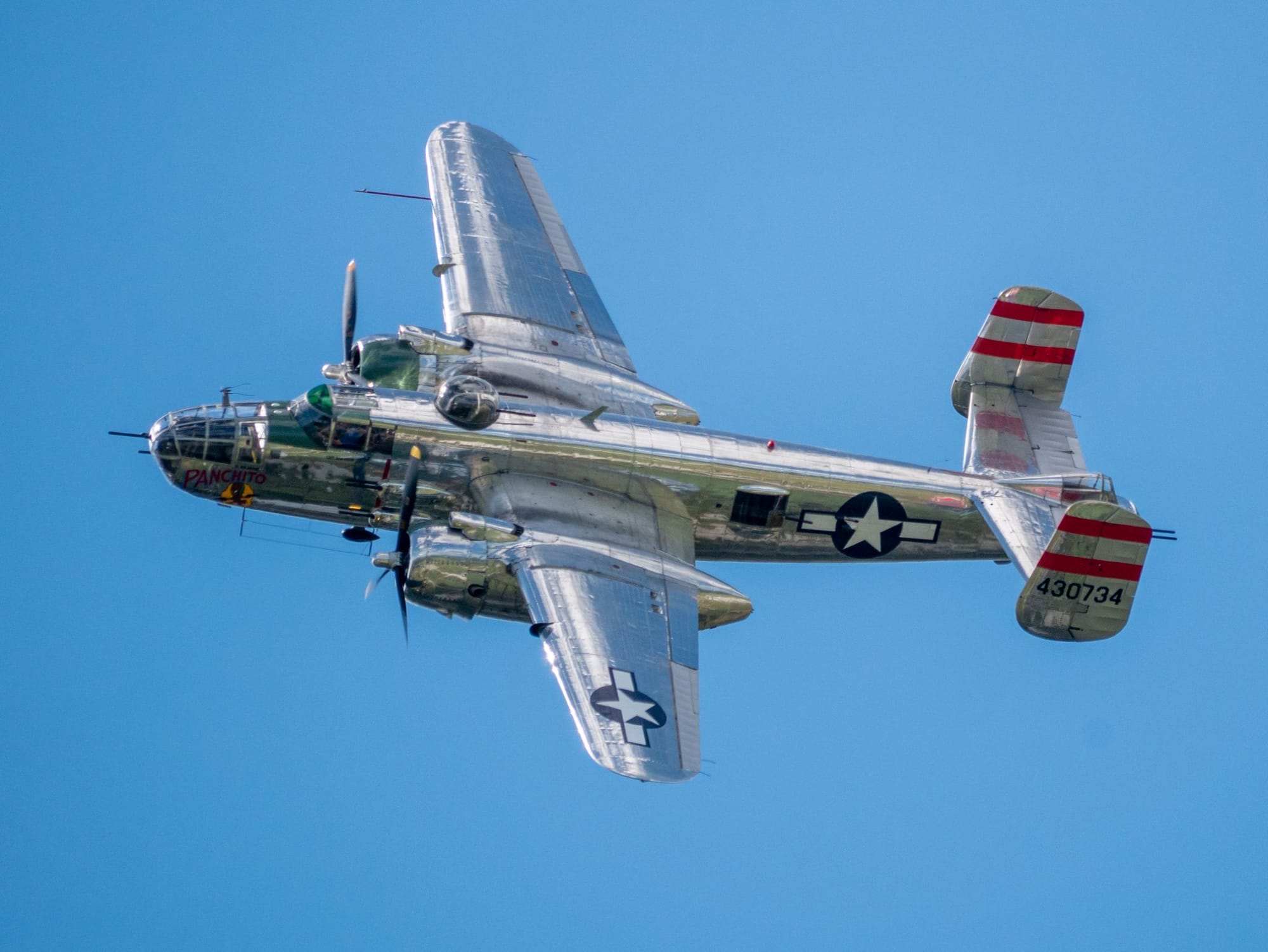
Another Black outfit, the 477th Bombardment Group, fought a more insidious war at home. There were too few of them to furnish both replacements for existing crews and crews for a new group, four squadrons of B-25 medium bombers. To train the required navigators and bombardiers, it would be necessary to either set up a new base like Tuskegee or take an already established school and train Black pilots there under a condition of segregation. The Air Force chose the latter and appointed a white West Pointer, Colonel Robert W. Selway, Jr., to command the 477th. Selway began to form the group at Selfridge Field, 20 miles north of Detroit.
Selfridge had already endured severe racial tensions. In a drunken rage, its commander, Colonel William Colman, had shot the Black driver of a staff car. Two nights later a Black guard in the line of duty shot a drunken trespasser, and that white civilian ended up in the same hospital as the wounded Black driver. Some thought Colonel Selway was hostile toward Blacks; for example, he thought it was fine to have Black mechanics, but not Black crew chiefs. White military units — but no Black ones — were sent to restore order when race riots erupted in Detroit. Indeed, white infantry cordoned off the squadron areas where the Black troops lived. The new base commander, Colonel William Boyd, became extremely unpopular among Black pilots about the use of the officers’ club. When three Black men tried to visit the club, Boyd made it clear that they were not welcome. Another officer threatened to court-martial the first man who dared to enter the club. The charge would be “inciting to riot.”
Under Selway’s command, the 477th grew slowly. It was still under strength on May 5, 1944, when the unit was suddenly ordered south to Godman Field, next to Fort Knox, Kentucky. The official reason — better flying conditions — was obviously false. Godman had less hangar space, less apron for aircraft parking, less acreage, fewer and shorter runways, less gasoline capacity, worse weather, runways unable to handle bombers, and no aircraft gunnery range. The true reason for the southward move was a racial explosion at Selfridge over the use of the club.
In 1943, with only one officers’ club at Selfridge, the First Air Force Commander, Major General Hunter, ordered that the club be reserved for whites. Blacks would have to wait until the Air Force could build a club for them. In protest, many Black officers entered the club and were arrested. Subsequent investigation by the Inspector General produced an official reprimand of the base commander, Col. Boyd: To deny Black officers the use of the club was to violate Army regulations and War Department instructions. Boyd’s conduct was improper, brought criticism to the military, indicated a lack of good judgment and, if continued, would incur severe penalties under the Articles of War.
In his endorsement of the reprimand General Hunter tried mitigation: Boyd had only carried out his orders.
The Pentagon parried Hunter’s attempt. Word came down from Air Force headquarters that Hunter could not include any mitigating comments in his endorsement of the reprimand. But behind the scenes, General Arnold’s Chief of Air Staff, Lt. Gen. Barney Giles, indicated in telephone conversations that both he and Arnold were sympathetic to Hunter and Boyd. Further Pentagon intrigue kept the issue alive. A key turn of events came in May 1944, when Pentagon brass mistakenly advised Hunter that the high command would not order desegregation of base facilities, and that the provision of equal facilities would comply with War Department policy. The truth was that the Army had outlawed segregated clubs since December 1940 in Army Regulation 210-10, which said that no officers’ club could occupy any public building unless it extended to all officers on the post the right to full membership.
It was AR 210-10 that the Black officers cited in justifying their protests, first at Selfridge and later at Freeman Field.
Racial tensions persisted at Godman as the group maintained gradual growth. Winter weather brought low ceilings, icing, and fewer flyable hours — only 40% of normal. Finally the Air Force adapted by moving the group to Freeman Field, near Seymour, Indiana, in March 1945.
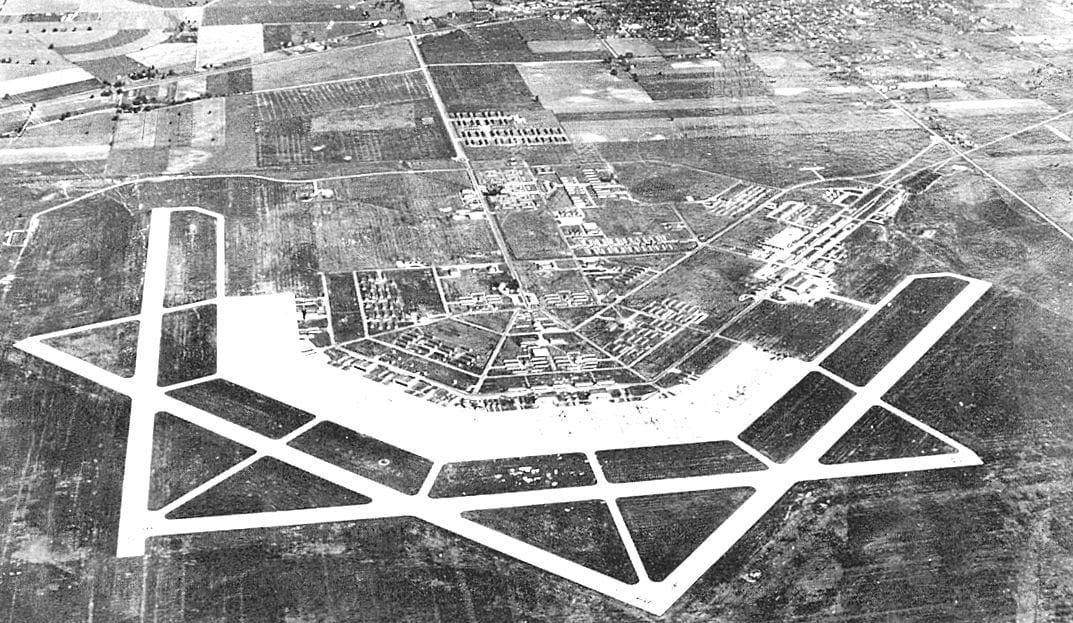
At Godman, officials had handled the club problem by routing whites to the all-white officers’ club at nearby Fort Knox, leaving the Godman club to the Black officers. Before the 477th moved to Freeman, Col. Selway had tried to pave the way by telling the Black officers that there would be two separate but equal officers’ clubs: separate not by race, but one club for supervisors and another for trainees. In fact, the separation would be racial, because the supervisors were white, the trainees Black.
The Black officers prepared to assault the racial segregation they would find at Freeman by uncovering its practice and revealing the Air Force violation of War Department policy. Led by 2d Lt. Coleman Young, a formidable organizer and the future Mayor of Detroit, they designed their challenge as a peaceful, orderly appeal to AR 210-10 — a challenge that would gain media attention. But they lost the element of surprise when informers warned Col. Selway about the plan.
The uprising started on April 5, 1945, when Lowell M. Trice, an NAACP representative and a reporter for the Indianapolis Recorder, arrived at Freeman Field without clearance. Col. Selway ordered him off the field that afternoon, but not before Trice had gleaned some inside information of interest to the readers of his newspaper. That same afternoon the trainee unit, numbering about 100 officers, arrived from Godman. When Selway learned that they meant to descend on the officers’ club in groups and make an issue of segregation, he directed that a Provost Marshal be stationed at the club door with orders to exclude any trainee. The officer took his station at 8:30 that night, armed and wearing a Military Police arm band.
When the night ended, 61 officers had been arrested, of whom three would be court-martialed months later for forcible entry. There were several more arrests on April 7 and 8. All were released except for the three accused of forcible entry, and Selway closed the club to avoid more trouble.
A few days later, acting on Gen. Hunter’s instructions, Col. Selway pressured the Black officers to sign a statement that attested to their understanding of the order that had established one club for trainees and the other for supervisory personnel. First, they heard an Article of War that threatened death for refusal to obey a lawful command. Next, they heard a direct order to sign the statement of understanding. Unmoved by the threat, 101 officers refused to sign and were sent back to Godman under arrest on April 13.
There followed several days of jousting among the Pentagon, the War Department, the White House, civil right advocates, and General George Marshall. In the end, the Air Force surrendered to Marshall: It would release the 101 noncompliant officers with trivial administrative reprimands, but try the three charged with forcible entry. A few weeks later the War Department revised its regulations so as to remove any ambiguities about segregation, and to ban specifically the segregation of clubs. At Godman, the court-martial began on July 2, 1945 with the 477th Bombardment Group back at Godman Field under a new commander, a veteran of another kind of combat, Col. Benjamin Davis.
Some sources say it was an all-Black court, but the court-martial records identify as “colored” only six of the 14 officers assigned to the court detail. There is even some confusion about the prosecutor, Captain Redden. Some sources call him white, but the court records call him colored. The defense consisted of two Black officers, Lts. Nichols and Coleman, plus Theodore Berry and Harold Tyler, civilians sent out by Thurgood Marshall, who then headed the Legal Defense Department of the NAACP.
On the first day, Lts. Shirley Clinton and Marsden Thompson were tried together. At the end of the day, after a long parade of witnesses on both sides, the court retired and returned a secret ballot that found both defendants not guilty of all specifications and charges. The record contains no explanation of the decision, but a reading of the proceedings makes it clear that on every point the defense simply outgunned the prosecution.
First, the Provost had ordered the two men not to enter the club, but was his order a lawful one? The court found the order not lawful. Second, did the defendants push the Provost aside as they entered the club? Most witnesses testified that they did not. Third, was there a conspiracy? Did the defendants act jointly and in pursuance of a common intent? They said that they went to the club separately, and the prosecution did not challenge their testimony. Fourth, did Thompson disobey an order to leave the club? Most witnesses said that he did not. Fifth, did the defendants refuse to obey the Provost when he placed them in arrest? The Provost said “yes,” but three defense witnesses said “no.”
The next day, July 3, 2d Lt. Roger C. (“Bill”) Terry faced the court. After much the same parade of witnesses, the court again retired to cast a secret ballot. It found him not guilty of having disobeyed a lawful order from the Provost. However, it found him guilty of having offered violence against the Provost by pushing him aside as he entered the club. The offense was punishable by death, but the court only sentenced him to pay $50/month for three months.
Again the court offered no explanation of its finding, but the court-martial transcript offers a hint. On the question of physical contact, the preponderance of testimony fell on the side of the prosecution, four of whose witnesses testified variously that Terry touched the Provost or brushed, pushed, or forced him aside. Two defense witnesses testified that he made no contact with the Provost. What follows is pure speculation: Given the head count, four against two, a vote of not guilty would have seemed more incongruous than guilty; and the sentence was light because the court, uncertain whether he had made contact, was certain that he had caused no bodily injury. The injury to personal pride and military order was another matter. From the standpoint of General Hunter and other high-ranking officers, the injury seemed considerable indeed, and many of them voiced their outrage at the lightness of the sentence. At the end of the day, the Air Force had a small token victory, civil rights had a big step forward, and James Gould Cozzens had a start on his next novel.
Guard of Honor opens aboard a small twin-engine Air Force plane, whose passengers include an important general. The plane meets a violent storm en route to its home base in the southern United States. On its final approach, with the general at the controls, it nearly collides with a twin-engine bomber whose Black pilot has made a serious but understandable error in procedure. When the two planes land safely, the general’s co-pilot, a hot-headed Lt. Colonel fighter jock, confronts the Black pilot and breaks his nose with a punch.
Other Black officers respond to the attack by attempting to force their way into the officers’ club, a facility denied to them in spite of Air Force regulations that bar racial segregation. The racial disturbance polarizes the whites, pitting southern segregationists against liberal integrationists. But this fictional row has a more cynical resolution than the real disturbance at Freeman Field. The white officer charged with resolving the issue is a pragmatist, neither bigot nor integrationist. He attempts a quick fix with a cynical appeal to self-interest, offering the injured Black pilot the prospect of advancement. In return, the pilot must persuade his allies to accept the subterfuge attempted at Freeman: The officers’ club is for permanent base personnel, and the separate club for Black officers is intended to encourage esprit de corps.
There is no evidence of any such offer at Freeman, but if such was made it must have been rejected. In contrast, in Guard of Honor the Air Force offered a thinly disguised bribe, and the Black officers accepted it. Moreover, the racial conflict had a more placid resolution in fiction than in life: No one comes to trial in Guard of Honor, but three Freeman mutineers went to court-martial. In his role as a novelist, of course it was Cozzens’s privilege to make his pragmatic conservatism — some might call it “gradualism” or worse — look better in fiction than it might have fared in practice at Freeman Field.
When I talked with Bill Terry by telephone in 1994, nearly 50 years after the mutiny, I found that he had achieved a distinguished postwar career in spite of the heavy drag of a court-martial conviction on his war record. He had graduated from law school, joined the office of the Los Angeles District Attorney, and worked in the probation division on problems of drug offenders. He had recently sought to clear his record, but approaches to his congressman, to the Black Chairman of the Joint Chiefs of Staff (Gen. Colin Powell), and to President Clinton had failed.
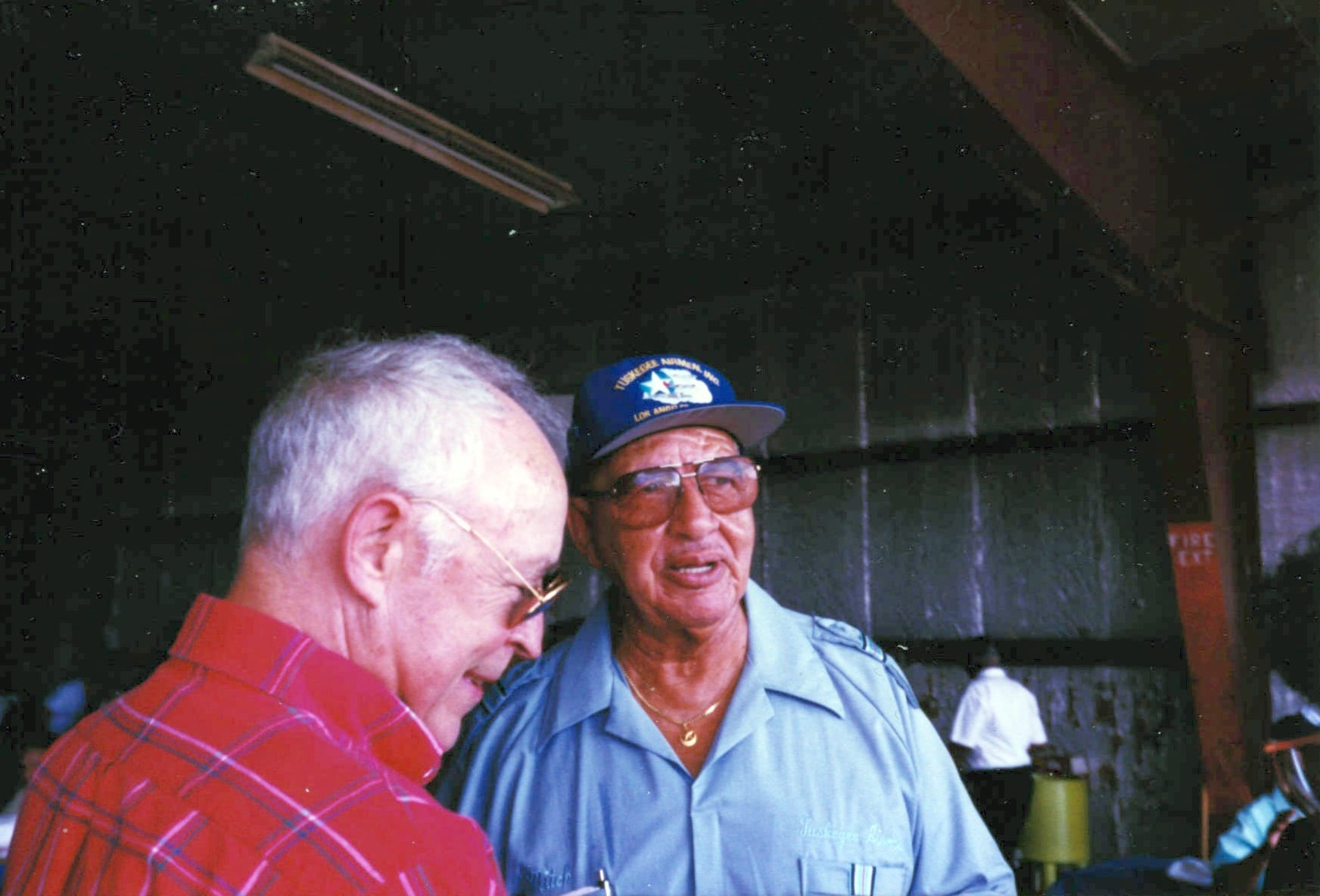
Several months later, in May 1995, I accompanied my wife, Tomi, to dinner at a nearby Navy base. Then in her thirteenth year as mayor of Bloomington, she was often invited to activities at Crane Naval Weapons Support Center, a big player in the economy of southern Indiana. The guest of honor was the Under Secretary of the Navy, Richard Danzig (who became Secretary of the Navy in 1998). At dinner I happened to sit across from him and found that he was a former Rhodes Scholar and Stanford law professor who knew Cozzens’s novel about the practice of law, The Just and the Unjust. When I told him about my unpublished manuscript on the mutiny at Freeman Field, he surprised me by asking for a copy and permission to send it to the Air Force.
I obliged the next day, and wondered occasionally what might become of all this until about a month later, when the mail man brought me an envelope from the Department of the Navy. In it I found a memo dated June 7, 1995, from Danzig to Rodney Coleman, Assistant Secretary of the Air Force, that explained who I was and how I happened to review the case that had inspired Guard of Honor. It stated my suggestion that my manuscript might interest Air Force authorities and stimulate reconsideration of “an apparent racial injustice that arose during World War II.” He noted that he was forwarding the manuscript to Rodney Coleman.
Two months later my phone rang with a call from Richard Danzig: The Air Force had decided to set aside Bill Terry’s court-martial conviction, thanks in part to my manuscript. The next day he sent me a fax copy of an Air Force news release and a cover letter that said, “Though you and Rodney Coleman have never met face to face, you should be very proud of what the two of you have managed.” An Air Force board of review had found no legal reason to set the conviction aside, but concluded that mitigating circumstances made the continuing stigma of the conviction unduly harsh and therefore unjust.
An elated Bill Terry learned about this from a surprise announcement in Atlanta by Rodney Coleman, who spoke at the annual banquet of the Tuskegee Airmen on August 12. In his remarks, Coleman called the Freeman incident a bellwether for integration of the U.S. military. He called the men’s actions a “giant step for equality” nine years before Rosa Parks refused to go to the back of her bus in Montgomery, Alabama. The Air Force Chief of Staff, General Ronald R. Fogleman, added that the Air Force would remove the letters of reprimand from the other officers’ records upon request.
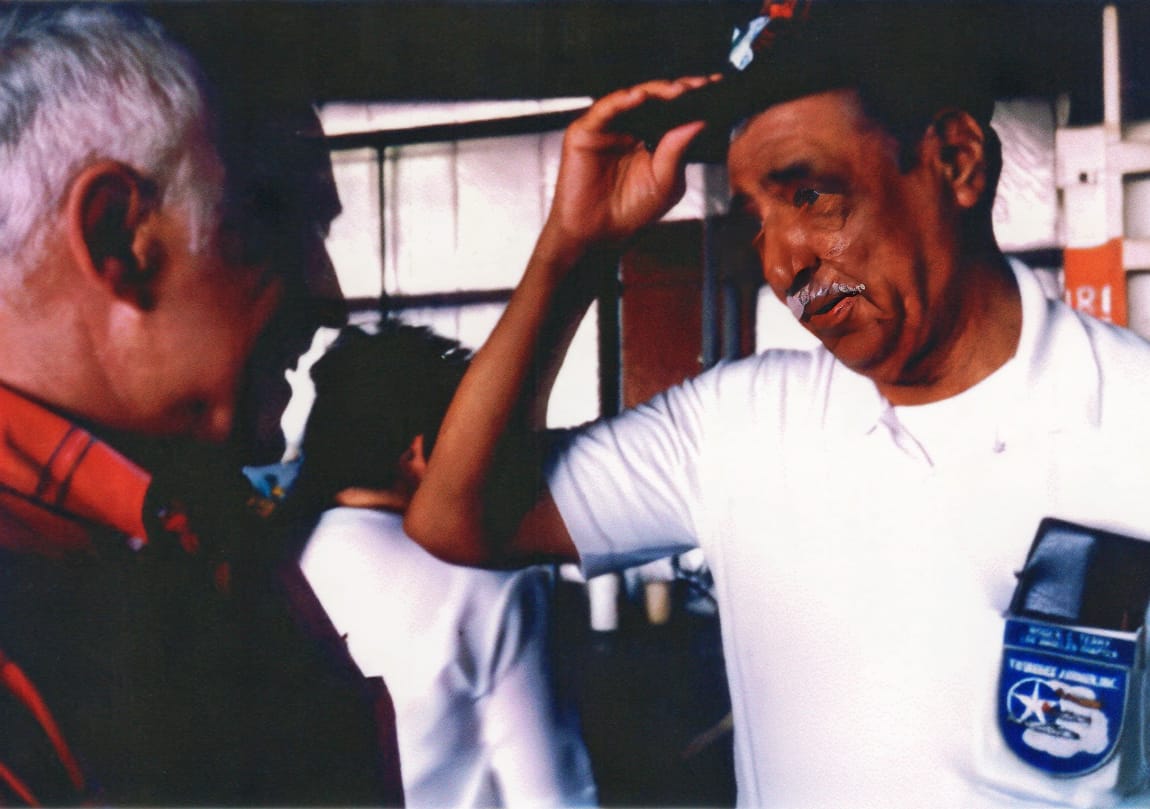
In 1997, when the Tuskegee Airmen convened in Indianapolis for their annual meeting and then revisited Freeman, after a talk by Bill Terry I seized the chance to settle one last nagging question. “Yes,” he replied. “I got my $150 back.”
As Tomi and I were leaving that meeting, we talked with one Tuskegee airman whose body language had caught our attention. This man had not forgiven the Air Force, and he gave an animated explanation. As the stain on every man’s record was an Air Force blunder, the Air Force should remove every one of those stains forthwith, and not upon request by the record holder.
He had a point.
Eleven years later, Barack Obama, the nation’s first Black President, invited the Tuskegee Airmen to attend his inauguration in February, 2009. Television viewers might have noticed many of those veterans seated in the audience. Bill Terry was not among them. Not in the best of health, he thought it would be unwise to brave the outdoors of a harsh D.C. winter.
A few months later, at 91 years old, Bill Terry died at his home in Southern California, his record cleared and his name vindicated.

Jim Allison
Jim Allison earned a Ph.D. from University of Michigan and joined IU's psychology department. He worked as an experimental psychologist, wrote Behavioral Economics (1983), and co-wrote The Accidental Mayor. He retired as Professor Emeritus in 1992.